



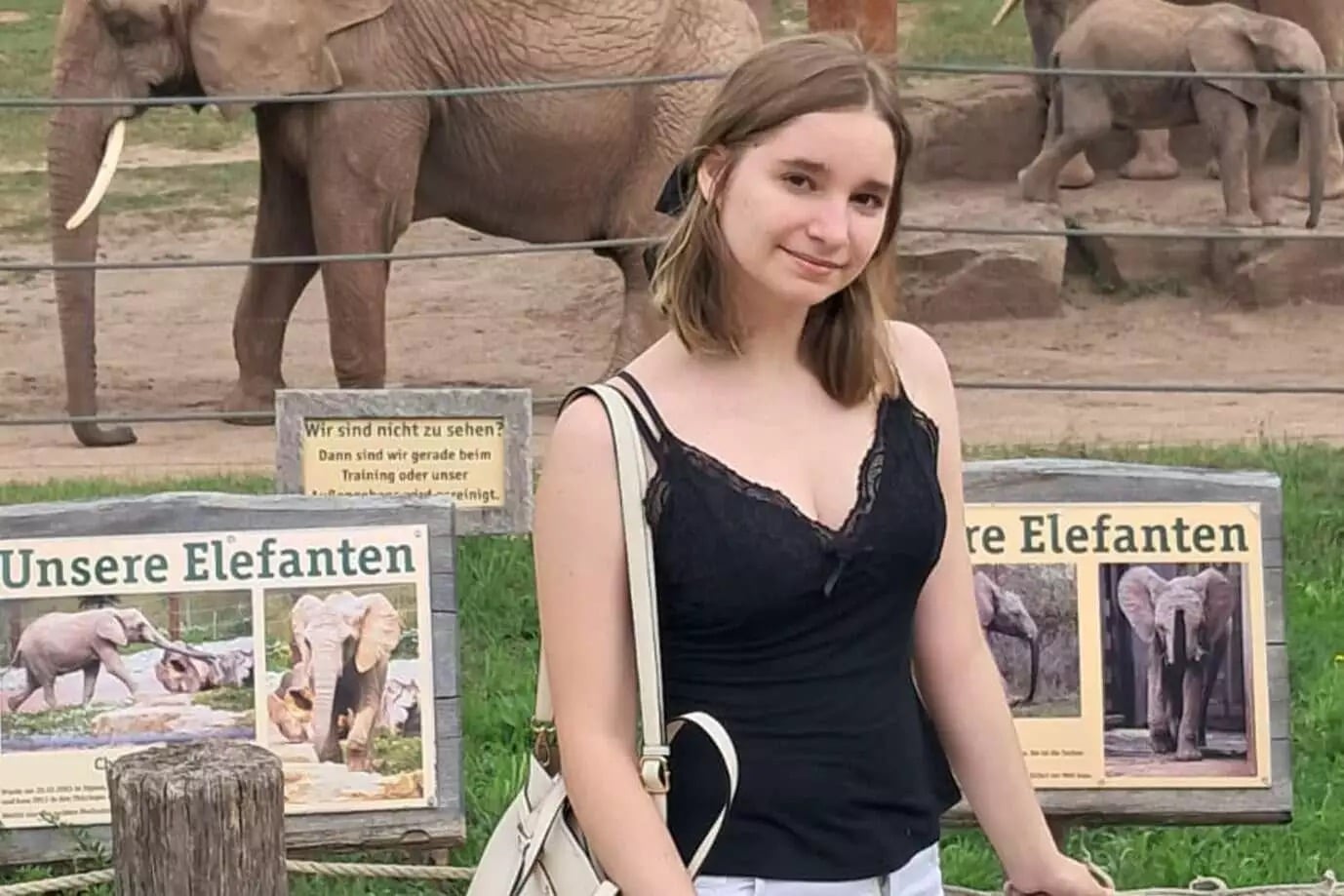
A rejected Iraqi asylum seeker who pushed a 16-year-old Ukrainian girl to her death under a freight train in Germany — while she was on the phone to her grandfather — has been ordered into secure psychiatric care rather than face a murder trial, after a court accepted he was not criminally responsible due to paranoid schizophrenia.
Muhammed A, 31, will be detained indefinitely in a secure psychiatric facility following Wednesday’s ruling, after prosecutors concluded that while he carried out the killing, his mental illness meant he could not be held criminally liable. The victim’s mother, who watched the proceedings without seeing any visible remorse from the man in the dock, has warned that the outcome effectively allows killers to evade justice by claiming mental illness.
Liana K was standing on a platform in August last year when she was struck by a freight train travelling at 100 kilometres per hour. She had been speaking to her grandfather at the moment of the attack. Markus Janitzki, the mayor of Geisleden, described the grandfather’s ordeal: “He heard screams, then just the sound of a train.”
There were no witnesses and no video footage of the moment of the push, but the court accepted that Muhammed had carried out the killing based on DNA evidence — traces of his DNA were found on the teenager’s shoulder. Prosecutors argued he posed an ongoing and serious danger to the public. Throughout proceedings, the defendant made no response to the accusations and instead complained of alleged mistreatment by emergency responders who restrained him on the day of the attack. He showed no remorse even in the presence of Liana’s mother.
His defence team had pushed for acquittal, arguing the evidence was insufficient and that other explanations could not be excluded. The victim’s own lawyer demanded a murder conviction.
The backstory to how Muhammed came to be on that platform has provoked intense anger in Germany. He arrived in the country in 2022 and applied for asylum, but his claim was rejected later that year. He had been subject to an enforceable deportation order since March 2025, yet remained in Germany at the Friedland asylum centre. Weeks before the killing, he was held in custody in Hanover ahead of a planned transfer to Lithuania — the EU country through which he had first entered Europe — but that request was rejected by the Lithuanian authorities. He was released back into Lower Saxony, where the attack took place just three weeks later.
On 10 August, the day before the killing, Muhammed had voluntarily admitted himself to the Asklepios Clinic in Göttingen. According to local media, he left the same day despite doctors explicitly advising him to remain.
Liana’s mother had spoken to local news outlet Junge Freiheit before the verdict, describing her daughter as a young woman with “big goals and plans for her life” who had only two months earlier begun training as a dental assistant. She also expressed a fear that has since proved well-founded. “I’m afraid he’ll avoid punishment by claiming mental illness,” she said. “After a ‘recovery’ in a psychiatric hospital, he can continue living without remorse and commit new crimes, knowing that next time he’ll just have to pretend to be mentally ill again.”
