



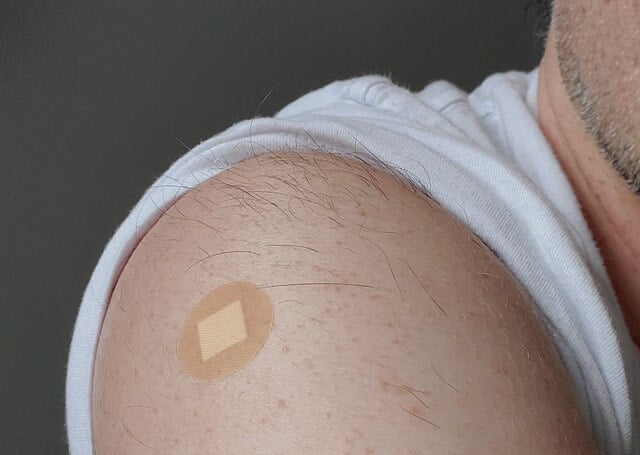
Health authorities have launched a spring vaccination campaign targeting millions of elderly and immunocompromised Britons whose COVID-19 immunity has waned since previous doses, offering tens of thousands of daily appointment slots through GP surgeries and community pharmacies across England—an initiative arriving days after the official pandemic inquiry praised vaccine development as “extraordinary feat” whilst condemning as “not sufficiently supportive” a compensation scheme that has left seriously-injured recipients without adequate financial redress.
People aged 75 and over qualify for the jabs alongside care home residents and those with weakened immune systems, with NHS England emphasising that eligible individuals need not await formal invitations before booking appointments through the NHS app, online portal, walk-in sites, or by calling 119. The timing reflects official recognition that whilst public attention has shifted away from COVID-19 as acute crisis recedes, the virus continues circulating year-round and poses life-threatening risks to vulnerable populations whose previous immunity diminishes across months following final doses.
“With us all experiencing lighter and warmer days, it can be harder to imagine getting sick from viruses like Covid-19, but they do circulate all year and can be just as dangerous for those who are vulnerable,” stated Caroline Temmink, NHS England’s vaccination director. “Previous immunity can wane over time, so we are encouraging all those who are eligible to come forward as soon as possible to get protected.”
The campaign unfolds against backdrop of Thursday’s inquiry report from Baroness Heather Hallett characterising vaccine rollout as “success story” yet acknowledging that some recipients have “tragically” died or suffered serious harm whilst the Vaccine Damage Payment Scheme proved woefully inadequate supporting them. The inquiry’s fourth report documented how decades of global research preparation permitted Britain to develop the Oxford/AstraZeneca vaccine and authorise two additional vaccines within a year of identifying its first COVID case—groundwork that would ordinarily require 10 to 20 years compressed into months through unprecedented international collaboration and regulatory flexibility.
What the Spring Campaign Offers Elderly and Immunocompromised Populations
The vaccination programme focuses on demographics experiencing highest COVID mortality and severe illness rates even as population-level infection risks have substantially declined from pandemic peak periods. Appointment availability through multiple access channels—mobile apps, websites, telephone booking, walk-in facilities—reflects lessons from earlier rollout phases where technological barriers and complex scheduling systems created obstacles for elderly populations less comfortable navigating digital platforms.
The 75-and-over age threshold alongside care home residents and immunocompromised individuals represents narrower eligibility than previous campaigns that extended invitations to younger age groups and broader population categories. The targeting reflects both resource constraints limiting universal vaccination capacity and epidemiological assessment that waning immunity poses most acute risks amongst populations whose age or medical conditions reduce their ability to mount robust immune responses even after multiple previous doses.
NHS England’s emphasis that eligible individuals “do not need to wait for an invite” addresses previous campaign challenges where formal invitation letters arrived belatedly or failed to reach recipients entirely, creating confusion about whether individuals qualified for jabs and when they should seek appointments. The proactive booking encouragement aims to maximise uptake amongst populations who might otherwise delay vaccination awaiting official correspondence that bureaucratic processing could defer indefinitely.
Why Compensation Scheme Reform Cannot Wait Despite Vaccination Success
Hallett’s simultaneous praise for vaccine development speed and condemnation of inadequate injury compensation captures the dual reality that interventions saving hundreds of thousands of lives through population-level protection nonetheless inflicted serious harm on small minority of recipients whose suffering the current support systems fail to adequately address. The inquiry’s call for “urgent reform” including nearly doubling maximum payments from £120,000 to at least £200,000 whilst scrapping the 60 percent disability threshold reflects assessment that existing scheme design leaves significantly-injured individuals without recourse when their impairments fall below arbitrary severity benchmarks.
The threshold elimination recommendation acknowledges that serious injuries affecting daily functioning, employment capacity, and quality of life merit compensation even when they do not reach the profound disability levels that current 60 percent standard demands. Individuals experiencing substantial vaccine-related harm yet falling short of that threshold receive nothing under present rules—an outcome the inquiry characterised as unjust given that vaccination represented civic duty undertaken partly to protect others alongside personal health benefits.
The recommendation for “fairer system for determining payment” graduated according to injury severity rather than flat-rate awards suggests movement toward tort-like compensation frameworks where damages reflect actual harm extent rather than binary classifications determining whether individuals receive standardised payouts or nothing at all. Whether government accepts these recommendations and implements reforms that previous administrations resisted despite sustained criticism remains uncertain given the substantial fiscal costs that expanded eligibility and higher payment caps would generate.
The inquiry stressed it could not “reach a view on the safety of particular vaccines or on causation in specific cases of alleged injury or death” given the technical complexity and case-specific nature of such determinations. Yet the acknowledgment that some deaths and injuries occurred “tragically” whilst “many millions” of lives were saved worldwide validates concerns that vaccine sceptics amplified whilst contextualising risks within framework where benefits vastly exceeded harms for overwhelming population majorities.
The Trust Rebuilding Challenge That Misinformation and Rushed Rollout Created
Ministers must take action to “rebuild” public trust in vaccines that has “plummeted due to the spread of false information on social media and the unprecedented speed at which the new jabs were made available,” the inquiry concluded—an assessment identifying twin challenges of combating deliberate misinformation whilst addressing legitimate concerns that accelerated development timelines might have compromised safety standards that conventional vaccine approval processes maintain.
The report emphasised that UK government and regulatory bodies “did not compromise the UK’s rigorous safety standards” despite urgency and record development speed, with safety concerns identified quickly and monitored whilst benefits “far outweighed” risks. Yet public perception that rushed processes inevitably sacrifice thoroughness for expediency has proven difficult to counter through official reassurances when social media platforms enable misinformation spread faster than factual corrections can circulate.
The 2021 vaccination programme delivered approximately 132 million doses across the four nations—the largest immunisation campaign in British history—with one study estimating nearly 450,000 lives saved in England alone. By June 2022, about 87 percent of the UK population aged over 12 had received two doses, achieving coverage levels that epidemiologists credited with preventing healthcare system collapse during subsequent infection waves that would otherwise have overwhelmed hospital capacity.
Whether spring 2026 uptake amongst eligible populations matches those earlier participation rates or whether vaccine fatigue, misinformation influence, and perceived reduced COVID threat combine to suppress demand will test whether the trust erosion that inquiry identified proves reversible through transparent communication about continuing risks and immunity waning, or whether segments of vulnerable populations will decline protection that could prevent serious illness and death during future infection waves whose timing and severity remain unpredictable.
