



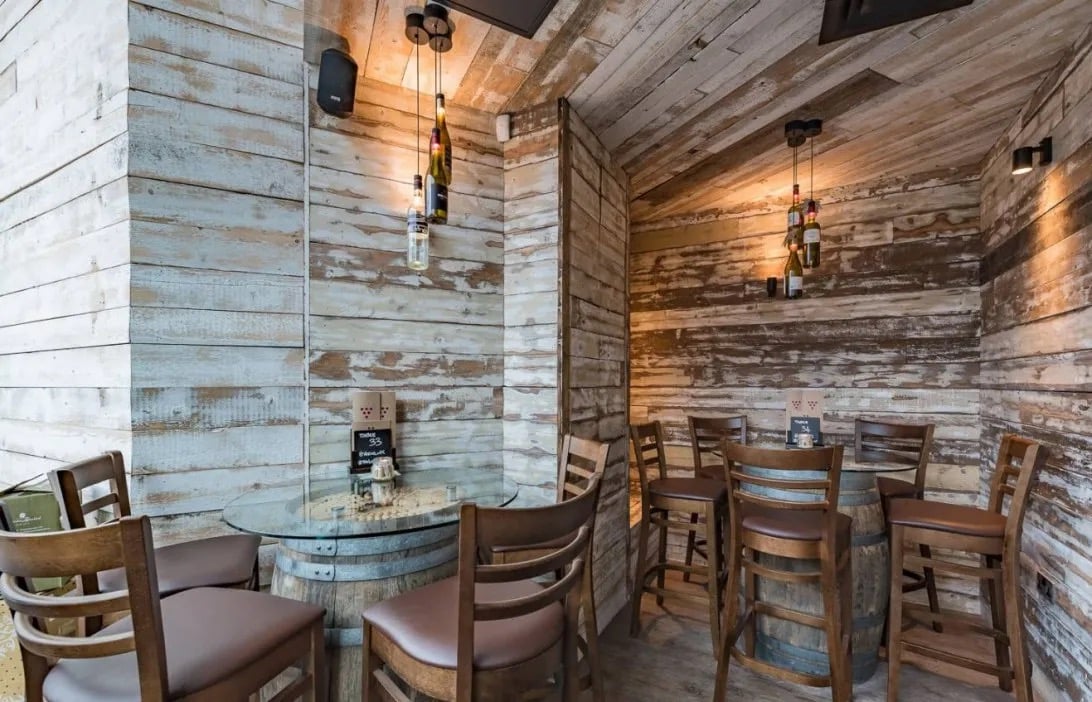
A Sicilian family-owned wine bar chain operating across Britain has entered administration for the second time since 2019, with five remaining locations now facing potential closure unless joint administrators successfully restructure the struggling hospitality venture.
David Kemp and Richard Hunt of Exigen Group Limited were appointed joint administrators for Vintage Corporation Ltd—Veeno Bars’ legal operating entity—on 8 April according to London Gazette notices, marking the latest casualty within Britain’s beleaguered casual dining sector.
The administration process provides protection from immediate liquidation whilst enabling business restructuring attempts, though all surviving Veeno branches risk permanent closure should rescue efforts fail replicating the 2019 buyout that previously saved the company when Rodrigue Trouillet acquired it from earlier financial difficulties.
Founder Nino Caruso attributed the current crisis to industry-wide pressures: “Like many businesses in the UK casual dining sector, we have faced a combination of well-documented market pressures in recent years, including rising operating costs and challenges within the property landscape.”
“This process allows us to address those factors, realign the business, and ensure a more sustainable foundation for the future,” Mr Caruso added, though the statement offered little detail regarding specific operational changes planned during the administration period.
The chain—established 2013 by Italian entrepreneurs Nino Caruso and Andrea Zecchino—distinguished itself through serving wines produced at their family Sicilian vineyard, offering customers a unique selection unavailable at competing establishments.
Veeno expanded throughout the past decade, establishing locations in Bristol, Durham, Edinburgh, Leeds and Leicester alongside a Wroclaw, Poland outpost, though recent years have witnessed contraction with Manchester closing August 2022 and Chester shutting February this year.
The dual closures preceded the current administration appointment, suggesting mounting financial pressures were evident before formal insolvency proceedings commenced protecting remaining operations from creditor action.
Rising operational costs have devastated Britain’s casual dining landscape, with numerous chains entering administration or closing locations as energy bills, ingredient expenses and wage increases compress already-thin profit margins within the competitive hospitality market.
Property challenges additionally strain operators, with landlords demanding rent increases whilst footfall remains below pre-pandemic levels in many city centre locations where casual dining establishments traditionally thrived.
The 2019 administration rescue by Trouillet demonstrated Veeno’s business model possessed viability under appropriate management and economic conditions, though the repeat insolvency filing suggests those favourable circumstances have deteriorated significantly over recent years.
The administrators face challenges preserving employment whilst negotiating with creditors and potentially seeking buyers for the entire chain or individual locations should complete restructuring prove unfeasible within existing corporate structures.
