



The Canadian province of Alberta is to hold a referendum on independence from Canada in October, its Premier has confirmed — in a development that could trigger the most serious constitutional crisis the country has faced in three decades.
Premier Danielle Smith announced in a television address that Albertans will go to the polls on 19 October to answer the question: “Should Alberta remain a province of Canada or should the Government of Alberta commence the legal process required under the Canadian Constitution to hold a binding provincial referendum on whether or not Alberta should separate from Canada?”
The vote follows a petition calling for separation that gathered more than 300,000 signatures earlier this year, though a counter-petition calling for the province to remain part of Canada attracted even more — over 400,000. Premier Smith said she personally intends to vote for Alberta to stay, and opinion polls suggest the majority of residents would currently vote against separation.
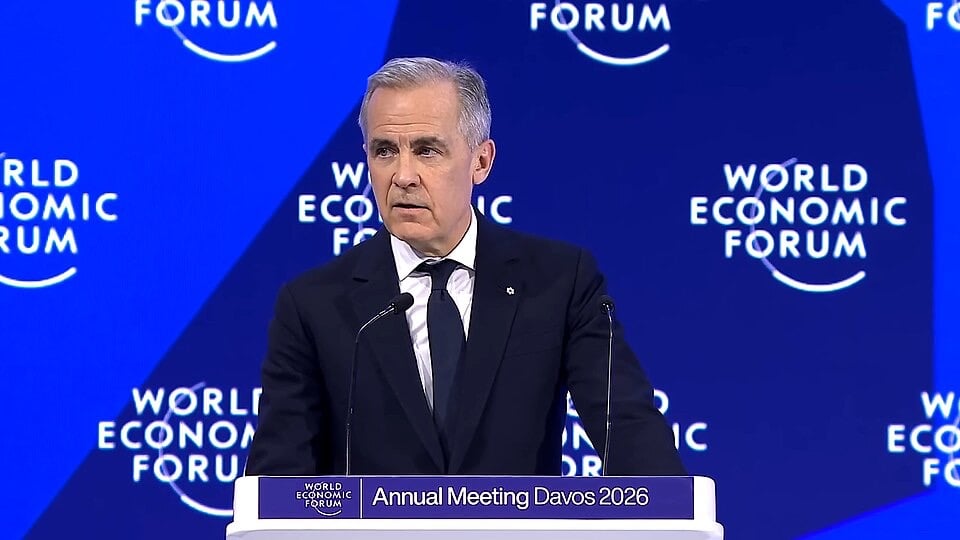
If the leave side prevails in October, it would not itself constitute separation but would trigger a second, legally binding referendum — a two-step process designed to ensure the result reflects a genuine and considered mandate. Canadian Prime Minister Mark Carney has said any separation process must comply with the Clarity Act, the 26-year-old legislation introduced in the aftermath of the 1995 Quebec referendum. Under its terms, a “clear majority” would be required, and the wording of any independence question would need approval from Canada’s House of Commons. Should those conditions be met, Alberta would then enter what could be described as a Brexit-style period of separation negotiations with the federal government.
Alberta would be only the second Canadian province to hold such a vote. Quebec — the country’s French-speaking province — remains the only one to have done so, having held referendums in both 1980 and 1995. The 1995 vote was extraordinarily close, with the remain side prevailing by less than one percentage point.
The roots of Alberta’s discontent run deep. The province sits atop vast oil reserves and has long felt that successive federal governments — particularly under former Prime Minister Justin Trudeau — have treated its energy sector as a problem to be managed rather than an asset to be supported. A series of environmental policies introduced under Trudeau were widely seen in Alberta as a direct economic attack on the province. The Liberal Party’s victory in last year’s federal election, led by Mark Carney, accelerated the independence movement considerably. Alberta’s government subsequently passed legislation making it easier for citizens to initiate referendums, including on separation.
The separatist cause draws notable support from the right of Canadian politics, including figures with direct connections to British political history. Preston Manning — the influential conservative thinker widely credited as the ideological godfather of Reform UK — warned ahead of last year’s federal election in an opinion piece for the Globe and Mail that “large numbers of Westerners simply will not stand for another four years of Liberal government, no matter who leads it.” He wrote that “a vote for the Carney Liberals is a vote for Western secession — a vote for the breakup of Canada as we know it.”
Jeffrey Rath, co-founder of the separatist Alberta Prosperity Project, told the BBC before the election that Albertans felt a stronger cultural affinity with their American neighbours than with the rest of Canada. “We have a lot more culturally in common with our neighbours to the south in Montana and with our cousins in Texas than we do anywhere else,” he said.
That sentiment has fuelled speculation about Alberta’s potential future as an American state — an idea that sits alongside questions about whether an independent Alberta would retain the King as monarch. For now, those questions remain hypothetical. But with a vote confirmed for October, they may not remain so for long.
