



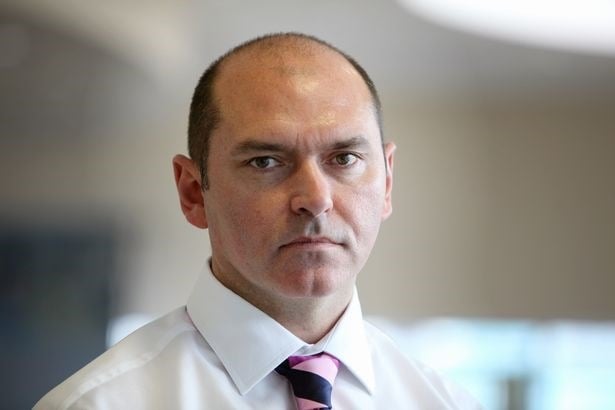
Britain’s health service faces imminent depletion of essential medical equipment within days as the Iran conflict wreaks havoc on global supply chains, the NHS chief executive has warned.
Sir Jim Mackey disclosed he is “really worried” about potential shortages of fundamental supplies including syringes, masks and surgical instruments, with deliveries directly compromised by Tehran’s blockade of the Strait of Hormuz and broader international shipping disruption.
The NHS England head told LBC Radio that virtually every category of medical provision faces risk, stating: “Honestly, everything. Everything is at risk.”
Sir Jim revealed stockpile durations vary dramatically depending on product type, with some items potentially exhausted within days. “It depends what you’re talking about. In every area we’ve got enough to get through for a reasonable period. So generally, a few weeks,” he explained, before adding the stark caveat: “It could be days for some product, depending on what it is.”
The health service maintains limited reserves due to storage costs, product expiration dates and evolving medical practices that render stockpiled items obsolete. “You can’t hold years and years of supply,” Sir Jim noted, emphasising the delicate balance between preparedness and practicality.
Britain imports approximately three-quarters of pharmaceutical products, with numerous additional medications manufactured from materials shipped from China and India—supply routes now compromised by the Hormuz closure that has already elevated oil prices and threatens inflationary acceleration.
NHS England has established dedicated teams monitoring supply chain vulnerabilities across government departments and healthcare organisations, building upon lessons from “a couple of supply shocks in the last 12, 18 months or so.”
Dr Leyla Hannbeck, chief executive of the Independent Pharmacies Association, characterised Sir Jim’s warning as validation of concerns pharmacy leaders have repeatedly raised. “Medicine shortages pose a serious and growing threat to patients across the UK, and the Government must act now to ensure people are not left without the vital treatments they depend on,” she stated.
UK pharmacies have struggled throughout 2026 securing stocks of painkillers, antidepressants, blood pressure medications and hormone replacement therapies.
Dr Hannbeck demanded immediate government intervention including adding 150 at-risk medicines to export prohibition lists, appointing a medicines shortages tsar within days, establishing a national Critical Medicines List, and formally recognising pharmaceutical shortages as national security threats.
“Pharmacies will continue to do everything possible to shield patients from the worst effects of these shortages, but without urgent and meaningful support from the Government, there is only so much we can do with our hands tied behind our backs,” she warned.
A government spokesperson insisted on Monday: “There are currently no reported medicine shortages as a result of conflict in the Middle East,” adding that departments “actively monitor emerging threats to supply resilience” with established processes managing health sector disruption.
