



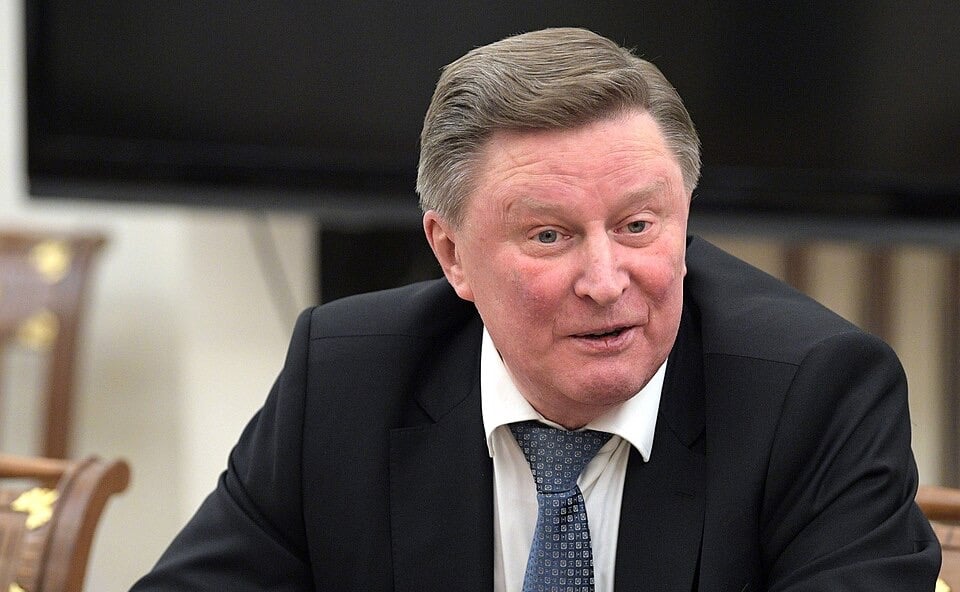
Sergei Ivanov, one of Vladimir Putin’s longest-serving and most influential allies and a figure who was once widely considered the most likely successor to the Russian president, has died aged 73, Kremlin media have reported.
The cause of death has not been publicly specified. The announcement was made by the United VTB League, the Russian basketball organisation of which Ivanov served as honorary president, and was subsequently confirmed by Kremlin-linked outlets including TASS, as reported by Meduza.
Ivanov and Putin first worked together in the KGB, and the two men remained closely bound throughout the decades that followed. Ivanov served as Russia’s Defence Minister from 2001 to 2007, overseeing the military during one of the most significant periods of Russian rearmament since the Soviet era. He subsequently served as First Deputy Prime Minister, Chief of the Presidential Administration from 2011 to 2016, and as Secretary of the Security Council, before taking on the role of Special Presidential Representative for Ecology and Transport, a position he held until early this year.
At the height of his influence in the mid-2000s, Ivanov was regarded by many observers as the frontrunner to succeed Putin, competing for that informal status with figures including Dmitry Medvedev. He ultimately never assumed the presidency, but remained a central figure within the so-called siloviki — the group of former security and intelligence officials who have formed the backbone of Putin’s inner circle since he came to power.
His personal life was marked by tragedy. His son Alexander, a senior executive at state development bank VEB, died in the UAE in 2014, reportedly drowning. Alexander had previously been involved in a high-profile incident in 2005 in which a pedestrian, a 68-year-old woman, was fatally struck at a crossing in Moscow. A criminal case was opened but subsequently closed without charges.
Ivanov’s death removes one of the last remaining major figures from the original Putin-era cohort of security service veterans who shaped the early character of the current Russian state.
