



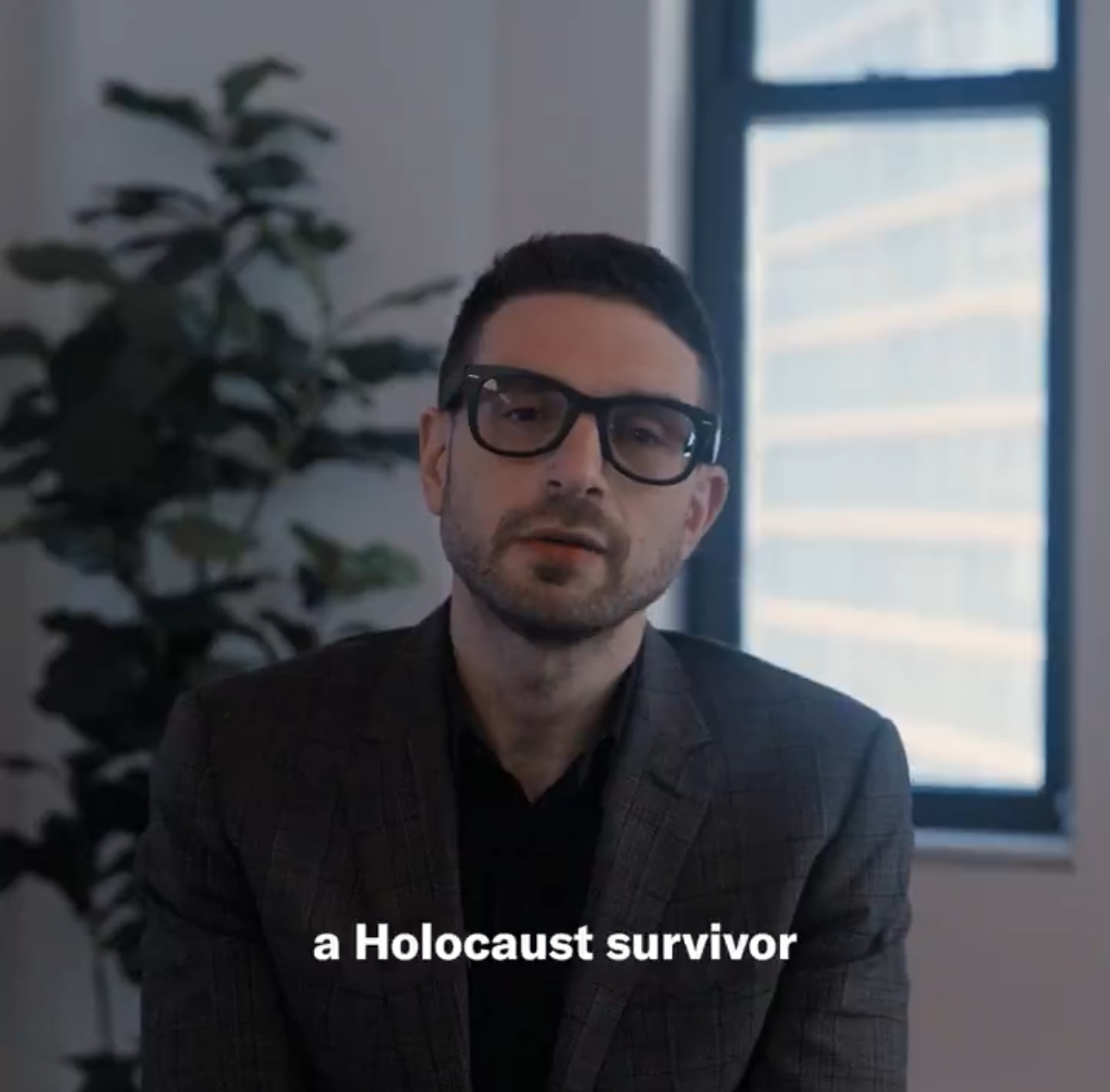
The Open Society Foundations has announced a $30 million commitment over three years to fund organisations working to counter antisemitism and anti-Muslim hatred, citing sharp rises in recorded bias incidents on both sides following the escalation of conflict in the Middle East.
The pledge was announced personally by Alexander Soros, who now chairs the philanthropy founded by his father George Soros. In a video statement, Alexander Soros described the issue as “deeply personal” for his family, noting that he is the son of a Holocaust survivor and is himself married to a Muslim American. The funding will be directed towards organisations protecting vulnerable communities, strengthening interfaith partnerships, and tackling harassment and discrimination.
The announcement comes against a backdrop of sustained increases in hate incidents in the United States. According to the Anti-Defamation League’s 2025 audit, there were 6,274 recorded antisemitic incidents — including assaults, harassment and vandalism — making it the third-highest year since the ADL began tracking such data in 1979. That figure nonetheless represents a 33 per cent decline from 2024’s record of 9,354 incidents, a drop attributed in large part to a 66 per cent fall in campus-based incidents following tougher enforcement by universities. Anti-Muslim bias has also risen sharply over the same period, with monitoring groups linking the trend to ongoing tensions surrounding the Israel-Hamas conflict.
Among the organisations expected to receive support are the Jewish Social Justice Roundtable, the Jewish Council for Public Affairs, and the Nexus Project.
The announcement has drawn a divided response. Supporters have welcomed what they describe as a rare cross-community approach to tackling hatred, and pointed to OSF’s long record of funding human rights and civic organisations. Critics, however, have been quick to question the messenger. Responses to Alexander Soros’s announcement on social media included accusations of hypocrisy, with a number of commentators arguing that OSF’s decades of funding for progressive causes, criminal justice reform, and political activism had itself contributed to the social divisions the pledge now seeks to address. Some critics characterised the announcement as, in effect, an arsonist offering to help put out a fire.
The Soros family’s philanthropy has long been a subject of intense controversy, particularly on the political right, where OSF’s influence on progressive causes has made it a recurring target. George Soros’s background — he survived Nazi-occupied Hungary as a teenager by concealing his Jewish identity — has frequently been drawn into those debates, including in responses to this latest announcement.
Whether the investment will make a measurable impact on the underlying drivers of hate — among them online radicalisation and broader geopolitical tensions — remains an open question.
