



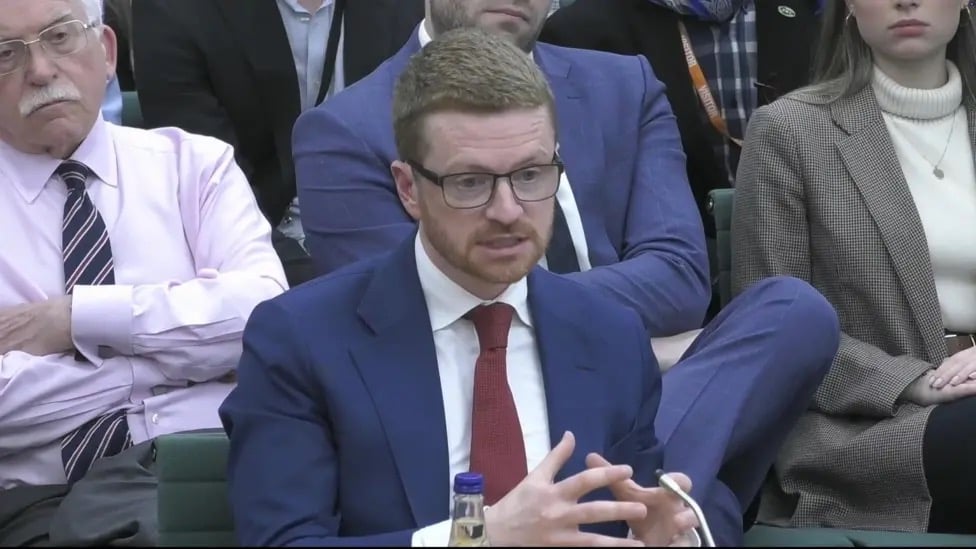
Keir Starmer’s former chief of staff has told MPs he made “a serious mistake” in recommending Peter Mandelson as Britain’s ambassador to the United States, saying the depth of the Labour peer’s relationship with convicted sex offender Jeffrey Epstein was “way, way, way worse” than he had ever understood it to be.
Morgan McSweeney, who resigned from his role in Downing Street in February, appeared before the Foreign Affairs Committee and gave his most candid account yet of the events surrounding Mandelson’s appointment and eventual sacking. He said the revelations that emerged about Mandelson’s friendship with Epstein — including photographs of the pair together and supportive emails Mandelson sent to Epstein as he faced sex offence charges in 2008 — had hit him with the force of “a knife through my soul.”
McSweeney told the committee he had recommended Mandelson for the Washington role in the belief that his experience as an EU trade envoy would give Britain an advantage in securing a trade deal with the Trump administration. At the time, he understood Mandelson’s connection to Epstein to be a “passing acquaintance that he regretted having and that he apologised for.” When fresh material from the Epstein files came to light, he said it “dawned” on him that Mandelson had not given the “full truth” about the relationship and was, in light of those revelations, “unfit” for the job.
Before Mandelson’s appointment, a due diligence check carried out by the Cabinet Office flagged his continued association with Epstein after the financier’s conviction as a potential “reputational risk.” The Prime Minister subsequently asked McSweeney to send Mandelson three follow-up questions about the relationship. McSweeney said he believed the answers were truthful at the time, but later concluded he had been misled.
He acknowledged in hindsight that it would have been “much better for public appearances” if the Cabinet Office’s propriety and ethics team had asked the follow-up questions, given his personal friendship with Mandelson — though he added he was not certain they “would have got better answers.”
McSweeney flatly denied reports he had sworn at Sir Philip Barton, then the top civil servant at the Foreign Office, while pressing for the appointment to be approved. Sir Philip told the committee he had no recollection of being sworn at, which McSweeney said confirmed his denial.
On the question of pressure from Downing Street to accelerate the vetting process, McSweeney acknowledged that No 10 had chased the Foreign Office for updates and wanted the process completed before Donald Trump’s inauguration. However, he insisted at no point was anyone told to “skip steps” or treat national security concerns as secondary. “Yes we wanted it done quickly but at no point did I witness anyone being dismissive about developed vetting or national security,” he said.
That account sits in tension with testimony given earlier to the same committee by both Sir Philip and his successor Sir Olly Robbins, who was dismissed from the Foreign Office amid the scandal. Sir Philip told MPs Downing Street had been “uninterested” in the vetting process, with the focus firmly on getting Mandelson into post in time for Trump’s inauguration. Sir Olly had previously described an “atmosphere of pressure” and said No 10 had been “dismissive” about the developed vetting requirement.
Lord Mandelson was ultimately given security clearance by the Foreign Office despite concerns raised by vetting officials. He was sacked as ambassador in September 2025 after new information about the depth of his relationship with Epstein came to light. The Prime Minister has maintained that neither he nor McSweeney were aware that the Foreign Office had overridden the vetting recommendation until that information recently became public.
