



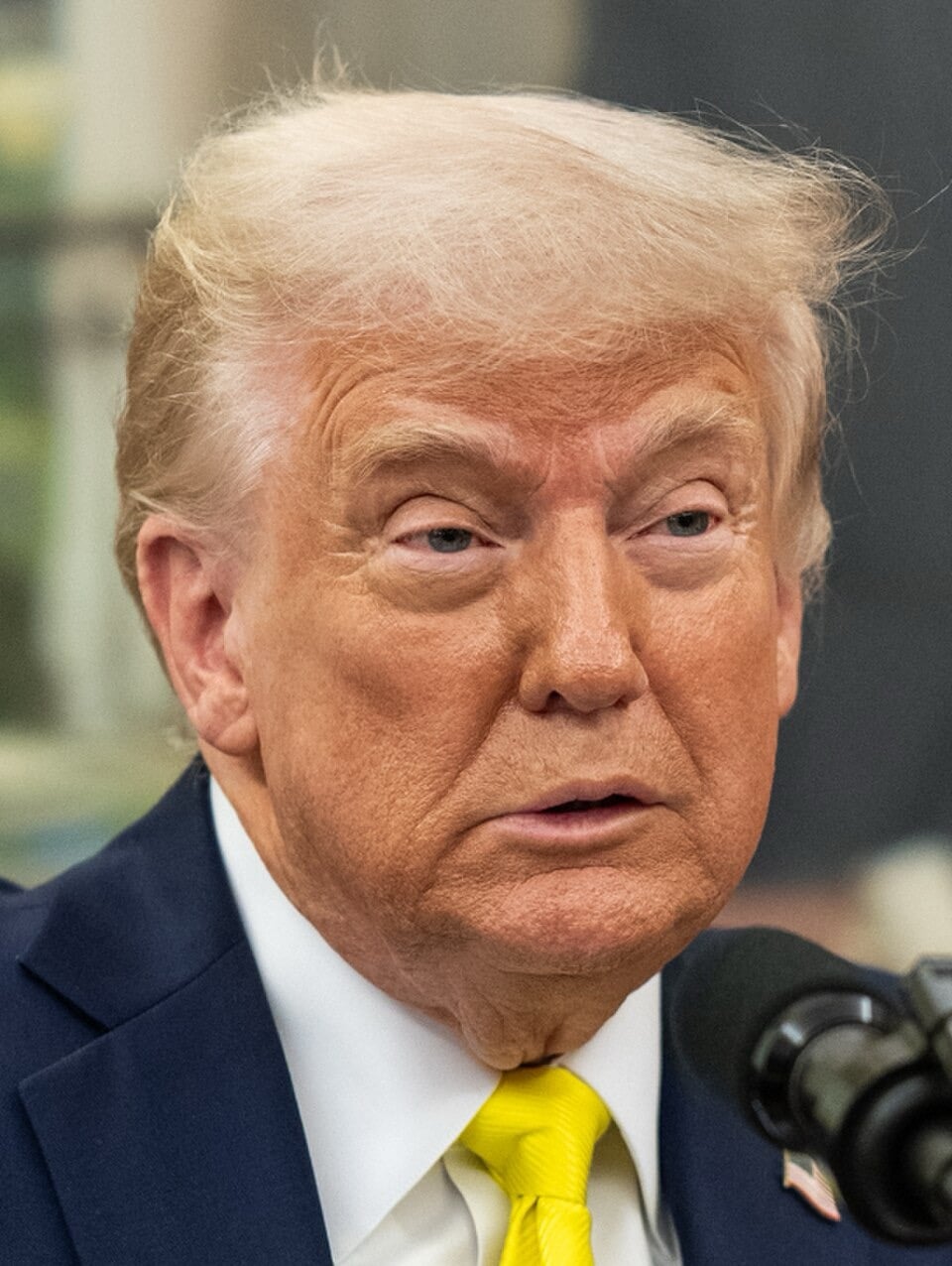
Iran has publicly mocked Donald Trump after the United States suspended its “Project Freedom” mission to reopen the Strait of Hormuz in less than 48 hours — as a French container ship came under attack in the critical waterway, leaving crew members injured and the vessel damaged.
Iranian state media outlet INSA wasted little time in framing the pause as a humiliation for Washington. “Following Iran’s firm positions and warnings, and the failure of the United States to achieve its objectives in the so-called ‘Freedom Project’, Trump announced the suspension of this project,” the outlet said in a statement, describing the move as a “retreat” following the US President’s “continued failures.”
Trump launched the initiative on Sunday with the stated aim of wresting control of the strait from Tehran, which effectively closed the waterway after the US and Israel initiated conflict on 28 February. The closure has blocked approximately 20 per cent of the world’s oil supplies, triggering a significant global energy crisis. Within two days, however, Trump announced on Truth Social that the mission was being paused, citing requests from Pakistan and other nations, as well as what he described as meaningful progress toward a nuclear agreement with Iranian representatives. He stressed that the US blockade on Iranian ports would remain fully in force during the pause.
The suspension came shortly after Secretary of State Marco Rubio declared that the initial US-Israeli offensive against Iranian targets — known as Operation Epic Fury — was “over” and had achieved its objectives. Rubio also kept up the rhetorical pressure on Tehran, branding its leadership “insane in the brain” and warning that the port blockade would continue until Iran ceased what he described as “piracy” in the strait.
The situation on the ground, meanwhile, continued to deteriorate. French shipping giant CMA CGM confirmed to AFP on Wednesday that its vessel, the CMA CGM San Antonio, had been attacked while transiting the Strait of Hormuz on Tuesday. Those injured among the crew were evacuated for treatment. Separately, sources said an Iranian drone struck a Marshall Islands-linked oil vessel, the JV Innovation, as it attempted to pass through the strait. US warships responded by sinking six small Iranian boats.
The violence extended beyond the waterway itself. In a rapid escalation on Monday, the UAE intercepted 15 missiles and four drones fired from Tehran, while an Iranian attack sparked a fire at the oil port of Fujairah — forcing the UAE to issue its first missile alert since the fragile ceasefire between Washington and Tehran was announced last month. Iran’s decision to resume those strikes effectively reignited hostilities in the region.
Despite the mounting tensions, Defence Secretary Pete Hegseth insisted the ceasefire was holding — even as he acknowledged that Iranian forces had attacked US troops nearly a dozen times since the pause in fighting began. Chairman of the Joint Chiefs of Staff General Dan Caine confirmed Iran had “attacked US forces more than 10 times” since the ceasefire.
Hegseth told a Pentagon briefing: “The US aims to protect shipping from Iranian aggression. We’re not looking for a fight. They said they control the strait — they do not.” He added that the Pentagon remains “locked and loaded” should Trump order military strikes to resume. “That option is always there,” he said, “and Iran knows that.”
Iran’s chief negotiator struck a defiant tone in response, warning that Tehran has “not even started” in its battle to control the strait. Tehran has so far refused to return to the negotiating table despite the pressure of the US port blockade, having effectively sealed off the waterway through the threatened deployment of mines, drones, missiles and fast-attack craft.
