



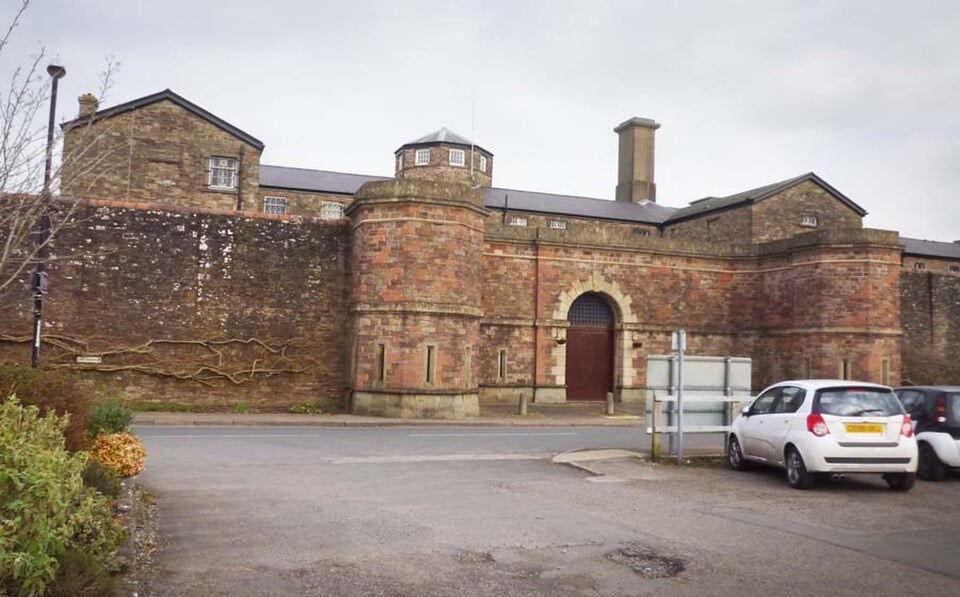
Inmates at a Welsh prison are being issued personalised “neurodiversity passports” that allow them to specify their preferred pronouns and set out any conditions or sensitivities that staff should be aware of, it has emerged.
The documents, introduced at HMP Usk in Monmouthshire, record information including what causes a prisoner anxiety — such as loud noise, bright lights or needles — as well as how they typically express pain, whether through crying or self-harm. Preferred pronouns are also included.
The Category C prison has attracted attention following the publication of an Independent Monitoring Board report into conditions there. The report noted that staff “seem to be familiar with the Equality Act and the needs of prisoners” and highlighted regular awareness-raising events covering religion, LGBTQ+ issues, dementia, mental health and disability.
According to the report, two dedicated neurodiversity support managers are responsible for identifying prisoners with additional needs, including ADHD, dyslexia, autistic spectrum disorder, acquired brain injuries and learning disabilities. “HMP Usk offers several exclusive support groups for neurodiverse individuals,” it states. “Many participants use a ‘passport’ that details their specific neurodiversity, its effects, and preferred communication methods.”
The prison also provides inmates with access to yoga, crocheting classes, therapy dogs, football, gym facilities and a sensory garden.
The measures have drawn criticism, however. One critic told The Sun: “Jail bosses need to be reminded that prisoners are behind bars to be punished as well as rehabilitated. Offering cons neurodiversity passports smacks of jails being holiday camps. HMP Usk must be Britain’s wokest jail.”
