



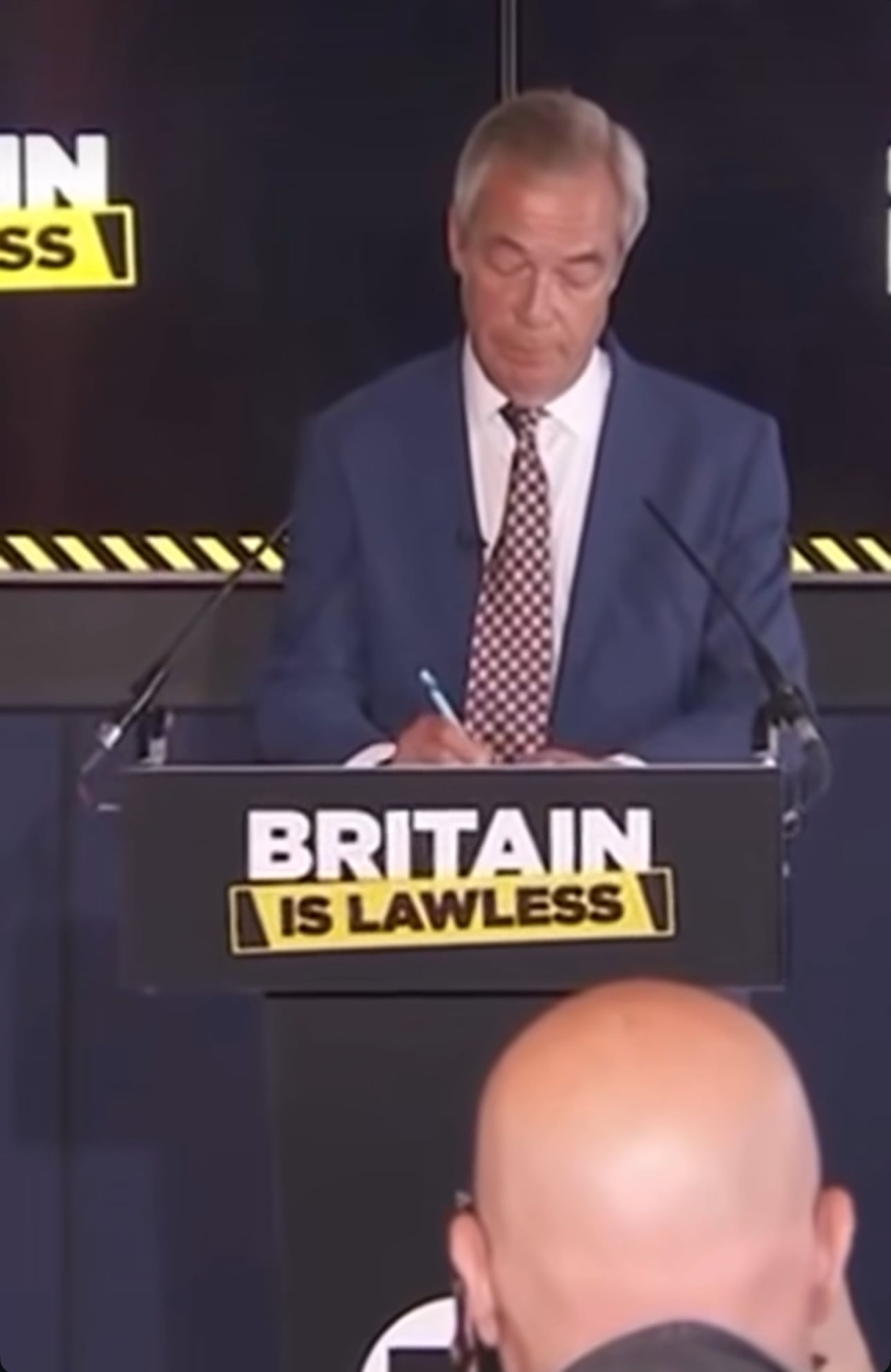
Nigel Farage has set out the most detailed account yet of how a Reform UK government would tackle illegal migration, promising to pay unwanted migrants up to £1,000 to leave Britain voluntarily and warning that those who refuse would be forcibly removed by a newly created deportation unit.
Farage and home affairs spokesman Zia Yusuf presented the plans at a press conference, confirming that a Reform government elected in 2029 would conduct a retrospective review of all asylum grants made over the preceding five years. Those found to have entered the country illegally — whether by small boat, concealed in vehicles, or by overstaying a visa before claiming asylum — as well as those originating from countries now considered safe, would face having their status revoked and being liable for removal.
The party said those affected would initially be given a short window to depart voluntarily, with a cash payment of up to £1,000 available as an incentive. Those who declined to leave would be targeted by a proposed UK Deportation Command. Reform estimates that paying 400,000 people £1,000 each would cost taxpayers £400 million, plus the cost of flights, but argues the overall scheme would generate savings of £14.3 billion across the course of a parliament.
Farage acknowledged that delivering the plan would first require repealing the Human Rights Act, which in turn would demand a stable Commons majority. A recent superpoll by More in Common suggested Reform could fall short of that majority by a single seat, potentially leaving the party dependent on Conservative support to pass the necessary legislation.
Farage also claimed to have already reached an arrangement with the Taliban government to facilitate the return of Afghan nationals, and said the policy had drawn on both Barack Obama’s and Donald Trump’s approaches to migration enforcement.
The announcement landed on the same day that the total number of Channel crossings in 2026 passed 6,000, following 602 arrivals recorded on Saturday alone — the second-highest daily figure of the year so far.
Political opponents were swift to challenge the proposals. Shadow home secretary Chris Philp said the Conservatives had already committed to withdrawing from the European Convention on Human Rights and deporting illegal arrivals within a week of landing, with a dedicated removals force targeting 150,000 deportations annually. “Reform is slowly catching up with our ideas,” he said, “but without the detail that will ensure it works in practice.”
The Liberal Democrats were more dismissive. Immigration spokesman Will Forster accused Reform of producing “hostile, headline-grabbing” announcements that would do nothing to address the underlying dysfunction in the asylum system. He argued that reviewing five years of grants was “an impractical farce” that would slow processing further, and reiterated his party’s call for Nightingale-style processing centres capable of clearing the backlog within six months.
