



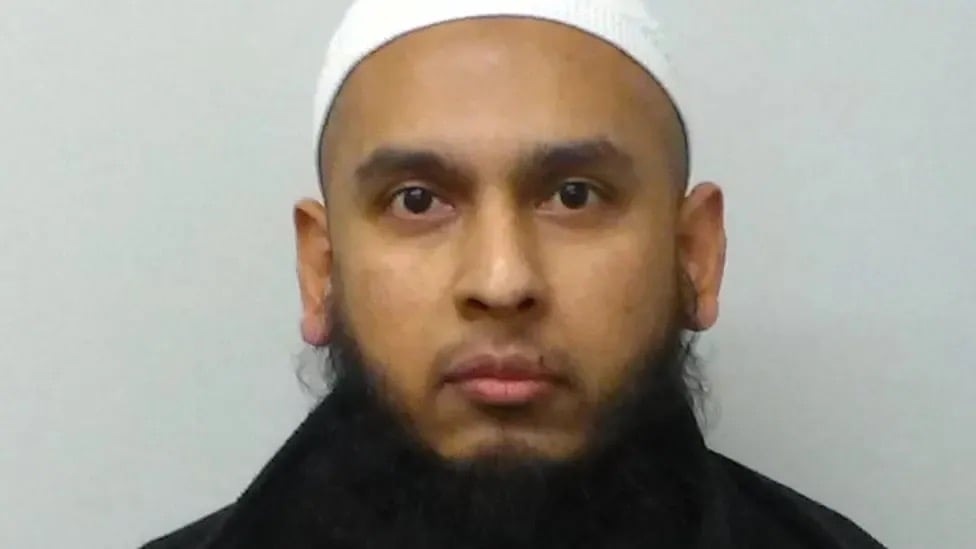
A Bangladeshi national convicted of plotting to bomb the London Stock Exchange has been living in Britain on human rights grounds despite being refused asylum, it has emerged, after details of his immigration status were disclosed in a separate legal ruling concerning his wife.
Shah Rahman was one of four al-Qaeda-inspired extremists jailed in 2012 for the plot against the stock exchange. When he applied for asylum in 2017 — the year of his first release on licence — his claim was rejected under Article 1F of the Refugee Convention, which bars those involved in terrorism or serious criminality from obtaining refugee status. Despite that refusal, Rahman was permitted to remain in the United Kingdom on the basis that returning him to Bangladesh would breach Article 3 of the Human Rights Convention, which provides an absolute protection against torture or inhuman and degrading treatment.
Rahman was released on licence in June 2019 and married Parveen Purbhoo, a Mauritian citizen, in an Islamic ceremony at East London Mosque the same month while she was visiting the country. Purbhoo subsequently applied for entry clearance to Britain. Her first application was rejected, but a second was approved. She returned to the UK in February 2020, leaving shortly afterwards due to the pandemic.
In August 2021, she attempted to re-enter Britain to formalise the marriage in a civil ceremony. As a Mauritian national she did not require a visa, but immigration officers at Heathrow searched her phone on arrival and discovered Isis-related material, including jihadist propaganda videos and footage of soldiers. A police report presented to the Special Immigration Appeals Commission noted that she “appeared very blasé” about the content and said she could not recall how it had come to be on her device, though she admitted she had wanted to learn more about it. Despite these findings, she was allowed into the country and went on to live with Rahman.
In February 2022, Rahman was arrested and recalled to prison after breaching the terms of his licence. He was convicted of failing to notify authorities about a mobile phone, an email address and a bank account. The court heard he had used the undisclosed phone to make private video calls to Purbhoo, and a forensic psychology report found she had been “complicit in the breaches for which Mr Rahman was convicted.”
Purbhoo’s case was reviewed in 2023 and she was permanently excluded from the United Kingdom by then-Home Secretary Suella Braverman. In a ruling published this week, judges at the Special Immigration Appeals Commission upheld that decision and dismissed her appeal. Mrs Justice Farbey, Mark Ockelton and Roger Golland found that her willingness to place her “own interests over and above legal or administrative processes is troubling and risky,” and concluded she had been “reasonably assessed as a national security risk.”
The legal restrictions that had previously prevented reporting of Purbhoo’s identity and her relationship with Rahman have now been lifted.
