



Cybersecurity specialists are warning that the era of easily identifiable phishing attempts has ended, replaced by hyper-targeted fraud campaigns leveraging stolen booking data to create communications so convincing that even security-conscious travellers struggle to distinguish genuine customer service messages from criminal deception.
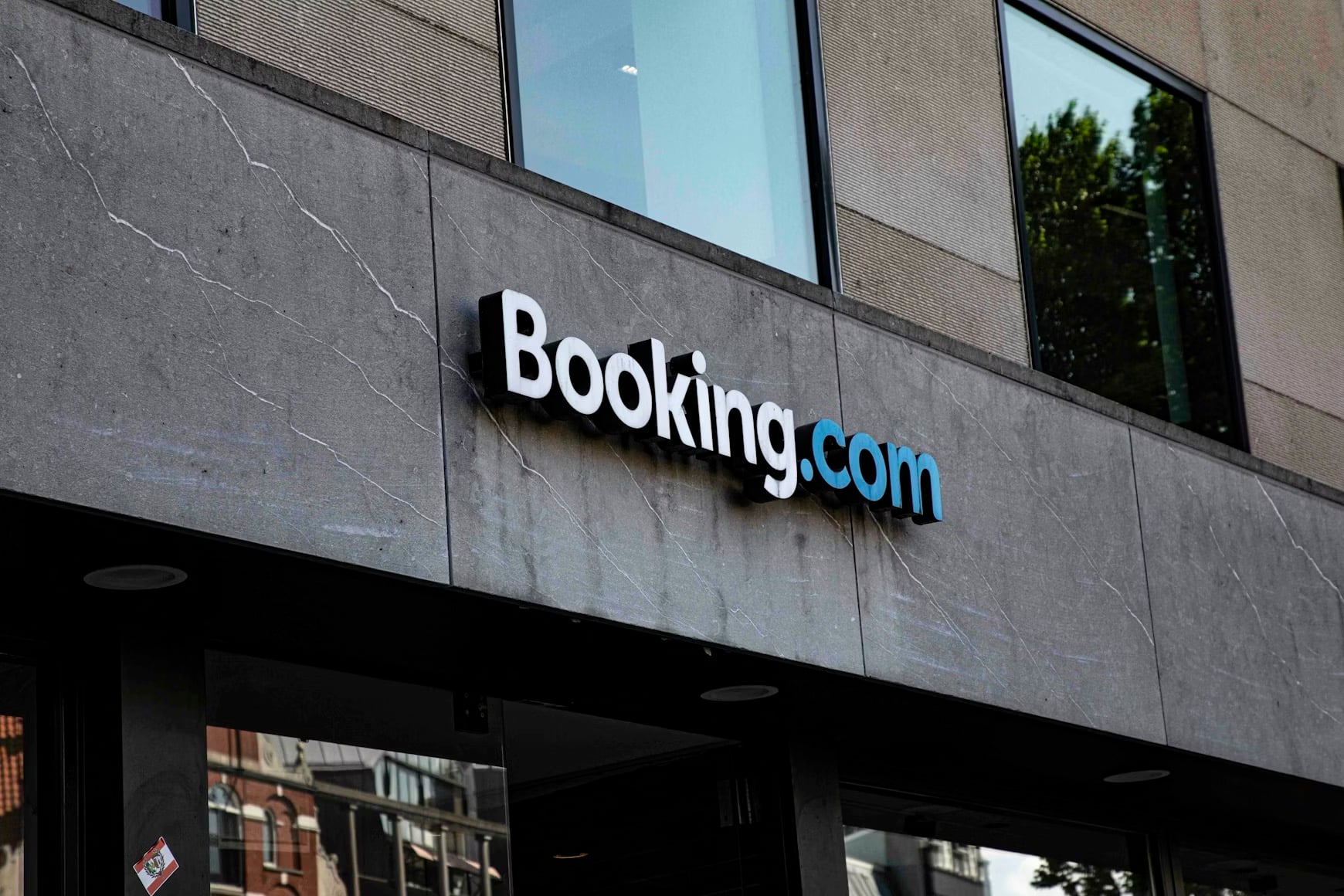
The shift became starkly evident this week when Booking.com confirmed a security incident affecting thousands of customers whose names, email addresses, phone numbers, booking details and any information shared with accommodation providers had been leaked to third parties. The travel platform dispatched urgent warnings Monday morning whilst changing reservation PIN numbers in efforts to contain damage from a breach whose consequences will likely extend far beyond the initial data exposure.
“The real risk here isn’t just the breach itself; it’s what comes next,” stated Chris Skipworth, chief executive of secure collaboration tool Passpack, noting that reports are already emerging of targeted WhatsApp messages and phone calls referencing legitimate reservations. “We’re already seeing attackers exploit the specificity of this stolen data to craft messages that reference your exact hotel, your check-in date, and your booking reference number—that level of detail makes a phishing email almost indistinguishable from a genuine communication.”
The platform—which facilitates reservations at over 28 million accommodations globally alongside flights, rental cars and attractions—declined to specify how many users the breach affected whilst insisting that no financial information or physical addresses were compromised. Yet security experts emphasise that even the “relatively basic details” now in criminal hands prove sufficient to fuel fraud campaigns that blend seamlessly into normal travel communications.
Why Genuine Booking Details Create the Perfect Cover for Sophisticated Fraud
The fundamental danger stems from accuracy itself: when scammers possess authentic reservation information, they eliminate the telltale signs that previously allowed recipients to identify fraudulent messages through generic language, incorrect details, or obvious fabrications about bookings that never existed.
Luis Corrons, security evangelist at Gen, explained that “attackers are working with real data” enabling them to “mirror genuine booking communications and make fraudulent messages look like standard pre-travel updates or customer service requests.” The resulting emails or text messages reference specific hotels, precise check-in dates, and actual booking reference numbers—elements that create false confidence in recipients who assume such accuracy confirms legitimacy.
“The risk for travellers is that accuracy can create false confidence,” Corrons observed. “A message that contains correct booking details can still be malicious if it introduces pressure, whether that’s a request to verify information, update payment details, or act within a short timeframe.”
This exploitation of urgency proves particularly effective against travellers who operate under time constraints when preparing for trips. Skipworth noted that “if someone tells you there’s a problem with your reservation three days before your flight, the natural instinct is to act immediately rather than pause and verify. That urgency is exactly what criminals exploit.”
The pattern represents dramatic escalation from the generic spam that dominated earlier fraud campaigns, with Booking.com itself acknowledging up to 900 percent increase in travel-related scams since 2023. Each new breach provides criminals with fresh datasets to weaponise, whilst this particular incident “gives them everything they need to build highly convincing follow-up scams,” according to Skipworth.
What Scammers Can Do With Names, Dates and Reference Numbers
The leaked information enables multiple fraud vectors beyond simple phishing attempts. Criminals can pose as Booking.com customer service representatives offering assistance with fabricated account problems, impersonate hotels requesting payment verification or deposit confirmation, or create entirely fictional booking complications demanding immediate resolution through channels the scammer controls.
Vonny Gamot, head of EMEA at online protection firm McAfee, warned that scammers will likely “capitalise on the situation, posing as Booking.com or other legitimate organisations offering you help to get back into your account—a common tactic after a breach.” The approach exploits victims’ desire to secure compromised accounts whilst the genuine company scrambles to contain damage and communicate with affected users.
More insidiously, the stolen data can fuel what Gamot characterised as “a ripple effect of scams targeting your other online accounts” beyond travel services. Email addresses and phone numbers compromised in the Booking.com breach provide entry points for phishing attempts against banking, shopping, and social media platforms where the same contact details may be registered—expanding the attack surface far beyond holiday bookings.
The sophistication extends to timing: criminals can monitor booking dates to launch scams when victims are most vulnerable, such as immediately before scheduled departures when travellers lack time to verify suspicious communications through official channels. The pressure to resolve apparent booking problems quickly, combined with the stress of travel preparation, creates ideal conditions for successful fraud that rational analysis during calmer moments would likely detect.
The Defensive Posture That Data Breaches Now Demand
Security specialists emphasised that the breach’s sophistication requires fundamental changes in how customers respond to any booking-related communications, regardless of how authentic the details appear.
“The single most important rule is: never act on a link or phone number provided in an unexpected message,” Skipworth stated unequivocally. “If you receive an email or text about your booking, go directly to the Booking.com app or website by typing the address yourself, and check your reservation status there.”
Corrons reinforced this approach: “The key is not to engage with messages at face value. Even if they appear legitimate, the safest approach is to treat them as unverified and go directly to the official booking app or website, or contact the accommodation directly using details you trust.”
Gamot recommended assuming compromise even without receiving direct notification, noting that “companies often take weeks to identify all affected individuals.” She advocated immediately changing passwords, enabling two-factor authentication across all accounts—particularly banking, email and shopping platforms—and monitoring financial statements for unusual activity whilst establishing real-time transaction alerts.
The expert also suggested considering protective tools including McAfee’s Scam Detector, “which is particularly valuable in the aftermath of a breach when criminals often launch targeted phishing campaigns using stolen contact information.” Such services can flag suspicious messages that human assessment might miss given the sophistication of modern fraud attempts.
Booking.com recommended customers install antivirus software whilst promising to “continue to enhance and extend the robust security measures we have in place to secure your reservations.” Whether those assurances restore customer confidence depends partly on how effectively the platform contains ongoing exposure and communicates with affected users about evolving threats stemming from the initial breach.
The incident illustrates how contemporary data security failures extend far beyond the immediate compromise, creating cascading risks as criminals weaponise stolen information through increasingly sophisticated campaigns that exploit both the specificity of leaked details and the psychological vulnerabilities of targets operating under time pressure in unfamiliar situations. For travellers, the breach transforms every booking-related message into potential threat demanding verification through trusted channels rather than the reflexive trust that convenience and urgency encourage.
