



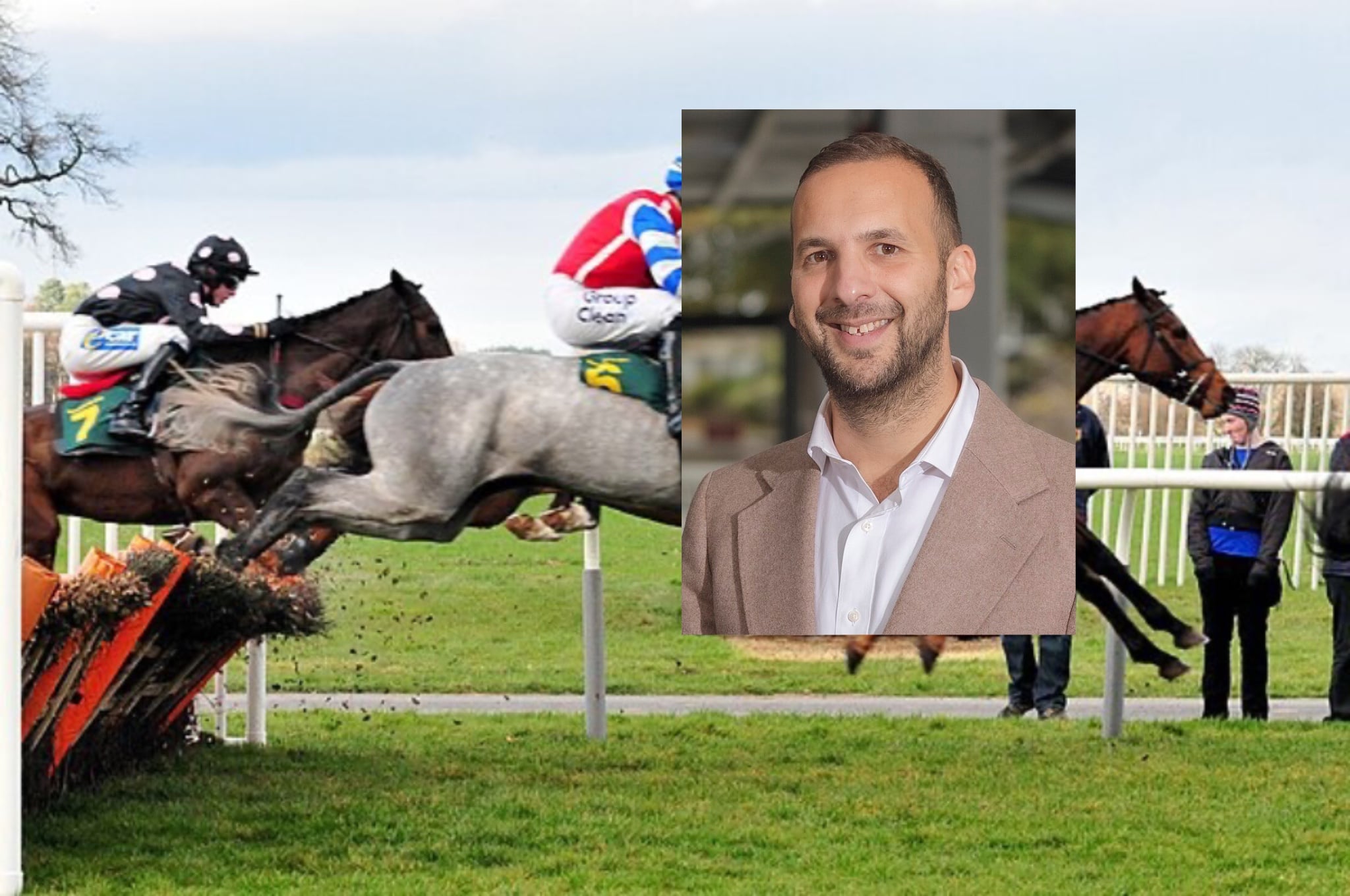
Reform UK leader Nigel Farage has condemned Green Party co-leader Zack Polanski’s calls to abolish horse racing as “cranky nonsense” and “utterly absurd,” with the controversy erupting just days before this weekend’s beloved Grand National at Aintree attracts worldwide attention.
Senior Conservative Nick Timothy—whose constituency encompasses Newmarket racecourse—characterised Mr Polanski’s position as “extreme madness,” warning: “This Labour Government risks taxing and regulating racing out of existence.”
The backlash follows revelations that Mr Polanski advocated as recently as 2024 for eliminating the £4 billion British horse racing industry, which sustains tens of thousands of jobs whilst supporting rural communities across the nation.
Writing on X in 2024, the Green leader declared: “Let’s go further and remove all animals involved in sport,” whilst additionally championing banning equestrian events from Olympic competition.
Mr Farage told The Sun the proposals represented an assault on British heritage: “Horse racing is an integral part of our British heritage. It’s a sport that supports tens of thousands of jobs, rural communities, and generations of tradition.”
The Reform UK leader highlighted apparent contradictions in Green Party positioning: “It’s deeply ironic that Polanski, a party leader that seems happy to legalise just about everything else, is so enthusiastic about banning one of Britain’s most historic and beloved sports.”
Mr Polanski has previously advocated legalising drugs and prostitution, creating what critics characterise as inconsistent policy stances that would liberalise some activities whilst criminalising traditional sporting events embedded within British culture.
The controversy arrives as Merseyside prepares hosting the world-famous Grand National meeting, with the Aintree spectacle representing one of Britain’s most watched annual sporting occasions drawing international audiences and substantial economic activity.
Horse racing’s £4 billion contribution to the British economy extends beyond direct wagering and event attendance, encompassing breeding operations, training facilities, veterinary services, hospitality sectors and associated rural employment throughout racing heartlands.
Industry supporters argue the sport provides crucial economic lifelines for rural communities whilst maintaining centuries-old traditions connecting contemporary Britain to its agricultural and sporting heritage.
Mr Polanski’s animal welfare concerns reflect broader Green Party environmental and ethical positions, though critics contend blanket sporting bans represent extreme approaches undermining livelihoods whilst disregarding welfare improvements implemented throughout racing in recent decades.
The timing of the revelations—coinciding with Grand National weekend—has amplified criticism, with opponents suggesting the proposals demonstrate disconnect between Green policy priorities and British public sentiment toward treasured sporting traditions.
Neither Mr Polanski nor the Green Party had issued statements addressing the criticism at time of publication.
