



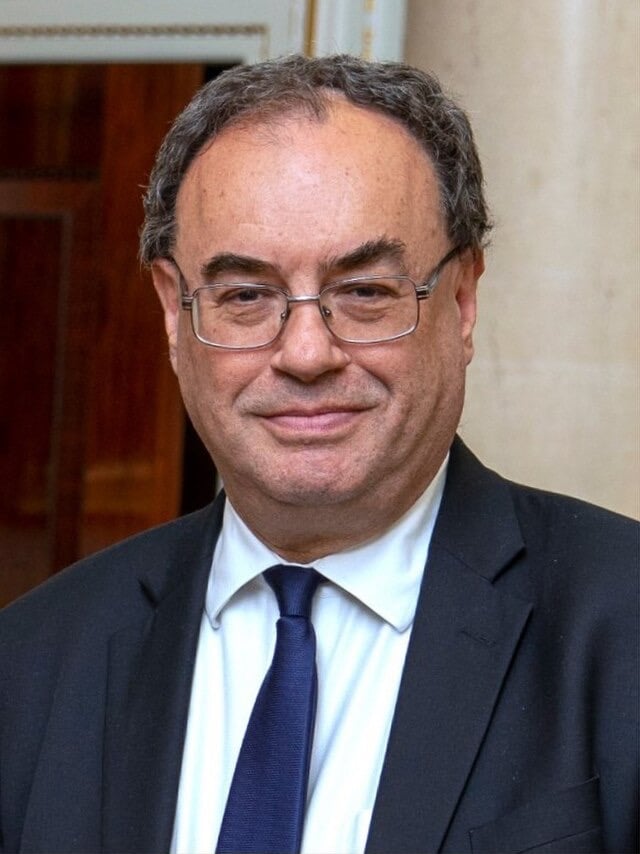
Investor confidence in the $3 trillion private credit sector appears cracking after more than $20 billion fled funds during 2025’s opening quarter, with Bank of England Governor Andrew Bailey warning the Iran conflict could catalyse contagion spreading across global financial markets similar to 2008’s banking collapse.
Speaking Thursday as Financial Stability Board chairman, Mr Bailey drew explicit parallels between the unregulated private credit industry—lending provided by hedge funds and non-bank institutions rather than traditional lenders—and the mid-2000s sub-prime mortgage sector whose implosion triggered worldwide economic devastation.
“What if that coincides with one of these other things, let’s say private credit, becoming a much bigger problem? What if the users and the investors in private credit lose confidence in it, and we get a bigger reaction?” the Governor questioned, highlighting Britain already faces energy shocks alongside debt market volatility.
The £2.2 trillion sector has expanded explosively since 2008’s financial crisis, growing from $2 trillion in 2020 to $3 trillion last year according to Morgan Stanley estimates, driven partially by lighter regulatory oversight compared with traditional banking.
Neither UK nor US authorities directly supervise the industry, as it primarily serves institutional investors—a regulatory gap increasingly concerning following multiple high-profile failures including UK’s Market Financial Solutions collapse amid fraud allegations and American firms TriColor and FirstBrands encountering difficulties despite private credit backing.
Mr Bailey characterised private credit as “a relatively opaque world” untested under severe market stress, warning discovered problems in isolated segments could devastate broader confidence throughout the sector.
“Do you start to lose confidence in the whole thing? I’m not saying it will happen this time—it depends on how investors react and what they think they are getting,” he explained, noting: “It meant the sub-prime problem was worse than we imagined it could be if that dynamic had not happened.”
JP Morgan chief executive Jamie Dimon has warned of “cockroaches” lurking within private credit, predicting losses could prove “higher than expected” as the sector’s rapid growth—offering returns exceeding corporate and government bonds—attracts investors potentially underestimating risks.
The $20 billion quarterly withdrawal represents substantial capital flight from an industry that mushroomed during the post-2008 era when traditional banking faced heightened regulation, with alternative lenders stepping into vacated spaces offering financing to businesses unable accessing conventional credit markets.
Mr Bailey’s intervention signals mounting regulatory anxiety that geopolitical instability combined with private credit vulnerabilities could replicate 2008’s cascading failures, when mortgage-backed securities contamination spread throughout interconnected financial systems triggering government bailouts and global recession.
