



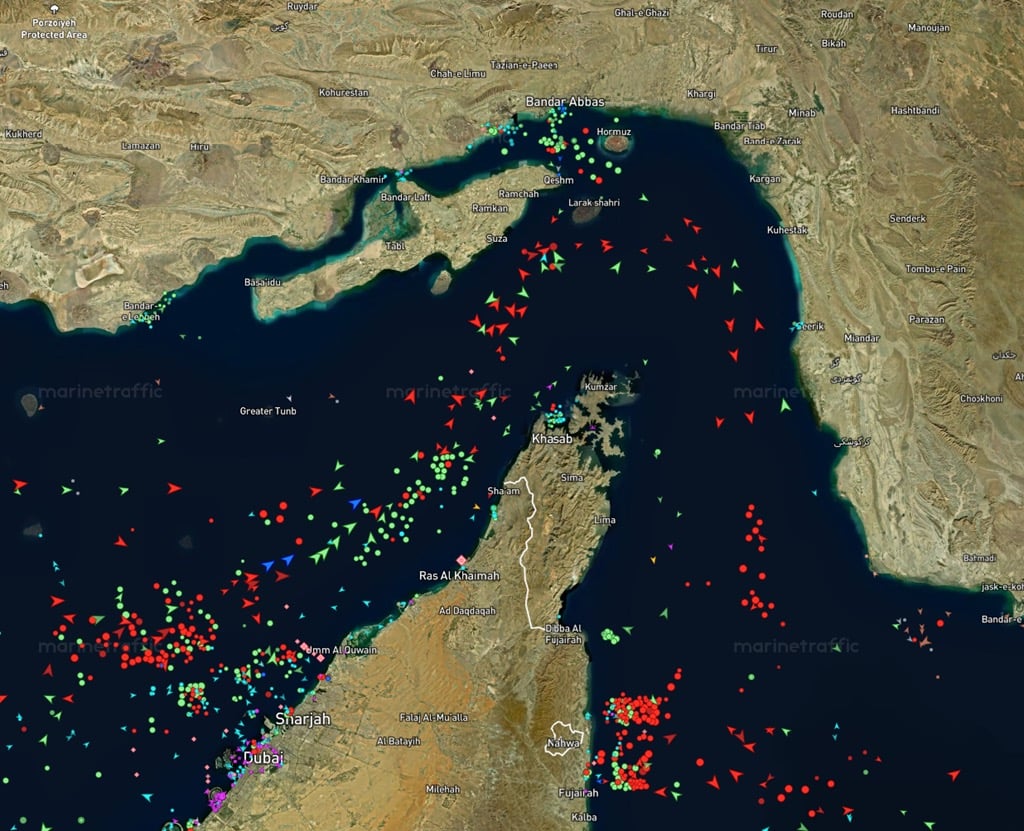
A brief window of maritime traffic through the world’s most critical oil chokepoint has slammed shut once more after Tehran reimposed passage restrictions just hours following what shipping analysts described as the first significant vessel movement in seven weeks.
Iranian state broadcaster IRIB confirmed Friday that the Strait of Hormuz “is now closed again and passage requires Iran approval,” reversing Thursday’s reopening that had been announced in conjunction with the Israel-Lebanon ceasefire taking effect.
Tehran’s military command justified the renewed closure by citing Washington’s refusal to abandon its retaliatory naval blockade preventing ships from accessing Iranian Gulf ports, stating the waterway had “returned to its previous state” due to continued American enforcement.
The strait’s status has oscillated dramatically since Iran effectively sealed the passage on 28 February following the commencement of US military operations, with officials subsequently clarifying that transit remained theoretically possible subject to Iranian authorisation whilst explicitly barring vessels affiliated with America or Israel as “hostile.”
In practice, minimal shipping has traversed the channel during the intervening period, triggering severe disruptions to global supply chains and propelling energy prices sharply upward as approximately one-quarter of seaborne petroleum exports typically flow through the narrow waterway separating Iran from the Arabian Peninsula.
Reuters reported Friday morning had witnessed the “first major movement of ships” through the strait since hostilities erupted, suggesting commercial operators had begun cautiously resuming normal routing following Thursday’s Iranian announcement of unrestricted passage during the temporary ceasefire period.
That nascent recovery proved extremely short-lived as Tehran reversed course within 24 hours, reimposing controls in apparent response to Donald Trump’s declaration that whilst he appreciated Iran opening the strait, the American blockade of Iranian ports “will remain in full force” pending completion of diplomatic negotiations.
The tit-for-tat naval enforcement by both nations has created a maritime standoff with profound economic ramifications extending far beyond the immediate conflict zone, with European airlines already reporting fuel shortages at Italian airports and Asian markets experiencing supply constraints.
Iran’s decision to reclose the passage underscores the fragility of any progress towards normalisation whilst fundamental disputes remain unresolved, particularly regarding the sequencing of mutual concessions and verification measures for any eventual settlement.
The strait’s strategic significance as an irreplaceable transit route for Gulf energy exports grants Tehran substantial leverage in negotiations, though the American blockade similarly constrains Iranian economic activity and oil export capabilities.
