



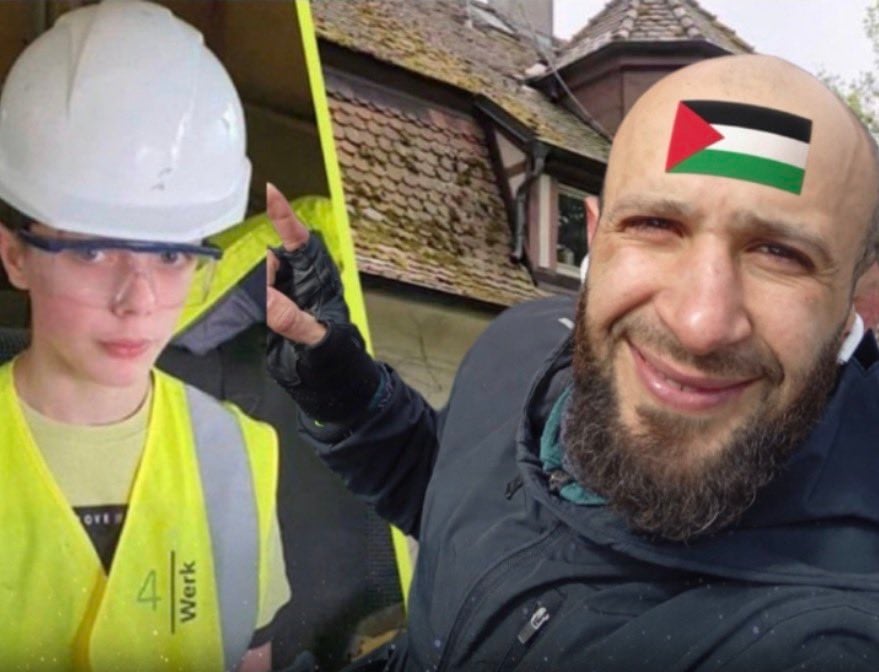
A 14-year-old boy has been found murdered in an abandoned building in Bavaria, allegedly killed by a rejected asylum seeker who had remained in Germany for years after authorities were unable to establish his identity or secure the documents necessary to deport him. The case has reignited an intense national debate about the failures of Germany’s deportation system.
Jermaine B. was reported missing on the evening of Saturday 2 May after failing to return home in Memmingen. A major police search was launched before his body was discovered in the early hours of Monday 5 May in a derelict building near Memmingen train station. An autopsy confirmed he had died as a result of severe violence to the neck. According to Britannia Daily, sources described injuries of near-decapitation in their severity.
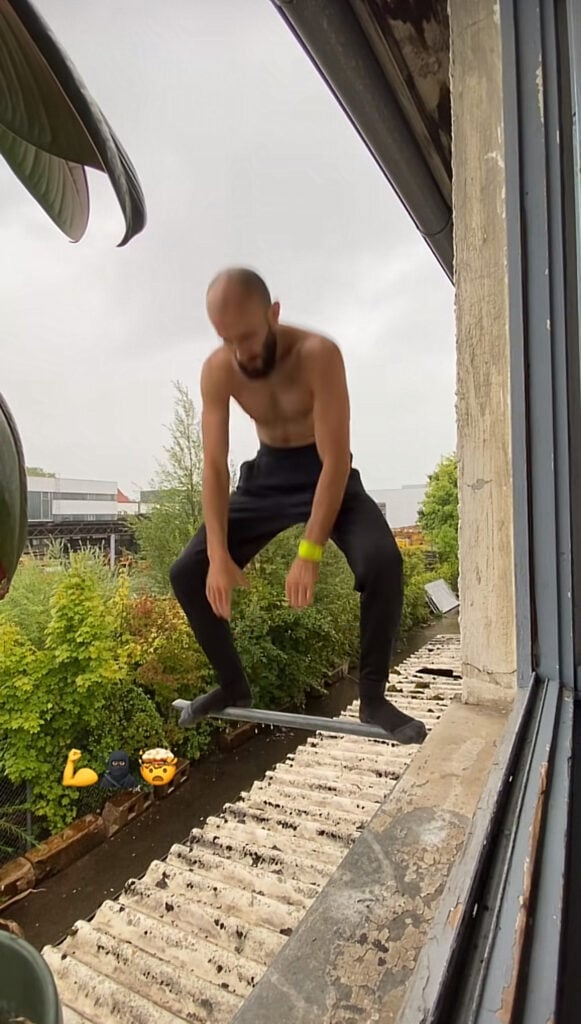
The prime suspect was identified as Qais Saleh, 37, born in Abu Qash in the West Bank. Bavarian authorities confirmed Saleh was a rejected asylum seeker who had been granted a Duldung — a form of tolerated stay — on the grounds that his nationality had not been fully established and he held no passport, rendering deportation procedurally impossible. He had arrived in Germany around 2020 or 2021 via Greece, and his asylum application was rejected in 2022. Despite this, he remained in the country. He had two prior criminal convictions in Germany, for property damage in 2021 and for illegal residence without a passport earlier in 2026.
Investigators are treating the killing as a targeted act rather than a random attack. Jermaine’s father had reportedly warned against contact with Saleh in the period before the boy’s death.

During the search of the abandoned building on 5 May, officers located Saleh hiding in a cupboard. He attacked them with a knife and fled. Later that evening, following a tip-off, police found him outside an indoor swimming pool in the city. As five plainclothes officers approached, Saleh lunged at them with a knife. Officers opened fire. He was disarmed, given emergency medical treatment and taken to hospital, where he died. No officers or bystanders were injured. A standard investigation into the use of lethal force is underway.
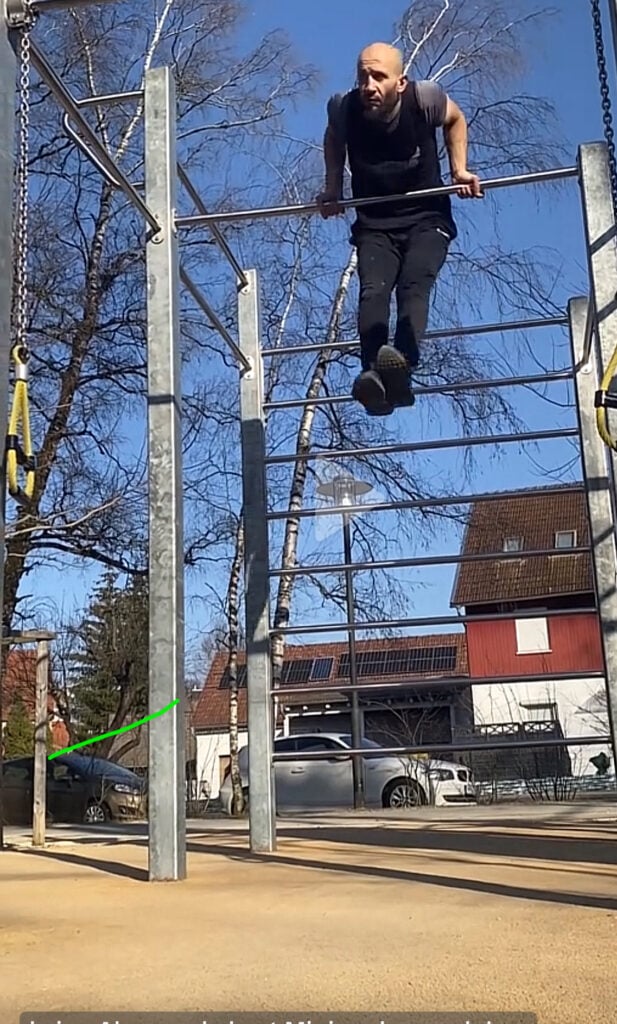
Authorities are also examining Saleh’s online activity as part of the ongoing probe by the Memmingen prosecutor’s office. He maintained a low-activity TikTok account, an investigation from Britannia Daily, indicated he had posted or shared Islamist content in the period leading up to the killing. His account otherwise largely showed him training and exercising. Investigators are looking into whether this material is relevant to establishing a motive or indicates possible radicalisation. Specific details regarding the digital evidence have not been confirmed by authorities and the investigation remains active.
The case has prompted a swift and fierce political response. Both the government of Swabia and the Bavarian state government have stated publicly that the case must have consequences, with officials acknowledging that Saleh should not have been in the country at the time of the killing. Critics have directed their anger at the Duldung system, under which rejected asylum seekers can remain in Germany indefinitely when deportation cannot practically be carried out — even after accruing criminal convictions.
Those who knew Jermaine described him as a bright and enthusiastic boy who loved construction sites and had been affectionately nicknamed after Bob the Builder. His family are being supported by local authorities as the Staatsanwaltschaft Memmingen continues its investigation into the full circumstances surrounding his death.
