



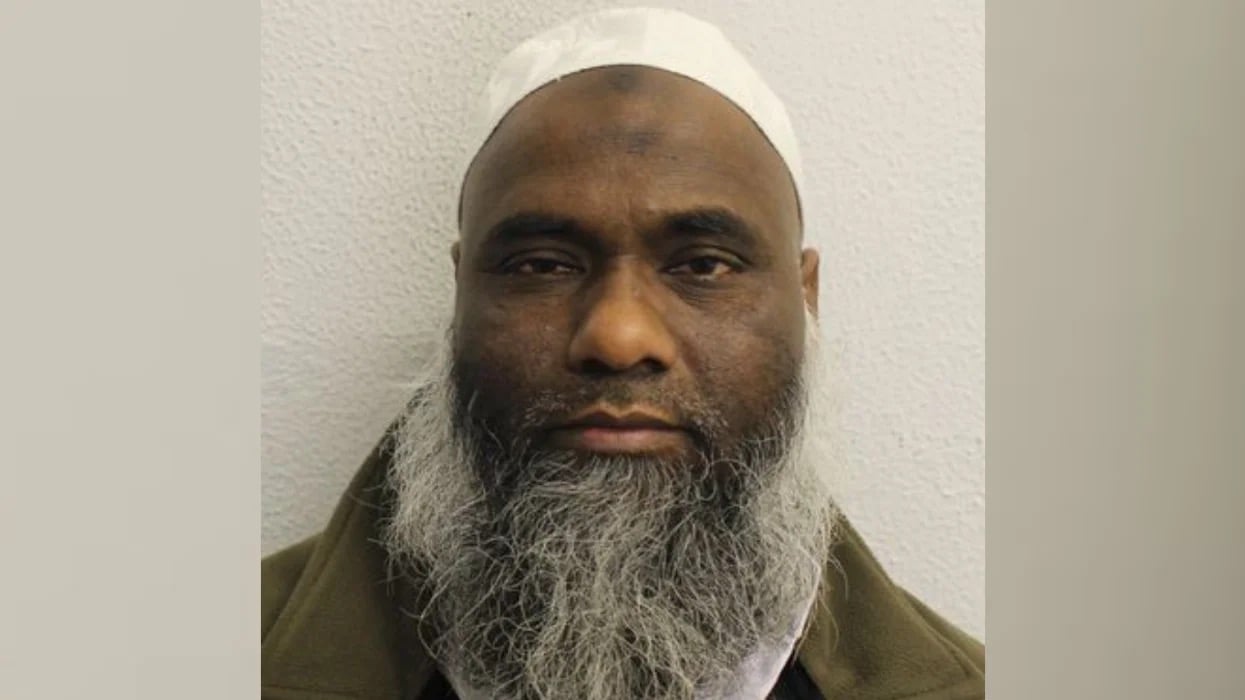
A former East London imam who used claims of supernatural powers and threats of black magic to rape and sexually abuse seven women and girls over more than a decade has been sentenced to life in prison, with a minimum term of 20 years.
Abdul Halim Khan, 54, of Old Ford Road, Bethnal Green, was sentenced at Snaresbrook Crown Court on Wednesday after being convicted in February of 21 offences including nine counts of rape, five counts of rape of a child under 13, four counts of sexual assault, two counts of sexual assault of a child under 13, and one count of assault by penetration. The offences were carried out between 2004 and 2015.
Khan was an imam at an East London mosque who used his position of trust and authority to get to know the seven victims, three of whom were young teenage girls at the time of the offending. All seven were members of the local Muslim community. Khan persuaded each of his victims into meeting him at isolated locations including flats and quiet hidden spots in London, telling them he could protect them from harm. He would then rape or sexually assault them under the premise that he would be possessed or disguised as a jinn — a supernatural spirit — and threatened them with black magic if they disclosed the abuse to family or friends.
The victims felt they had to keep the abuse hidden for fear of doing harm to their loved ones through the black magic they believed Khan controlled. The case only came to light in February 2018 when the youngest victim, who had been a child at the time of the abuse, reported Khan to a teacher at her school.
During the investigation, Metropolitan Police detectives interviewed more than 50 witnesses. In his police interviews, Khan repeatedly denied all the allegations, claiming the victims had conspired against him for revenge.
Following her conviction, one survivor said: “The abuse I suffered as a child has had a profound and lasting impact on my life.” The Crown Prosecution Service’s specialist prosecutor Melissa Garner said Khan had used his position of religious authority in a calculated and sustained way to silence and control his victims.
The case has prompted renewed calls for mandatory safeguarding registration for independent faith leaders operating without institutional oversight, with community organisations in east London pushing for tighter regulations to prevent individuals from exploiting positions of religious trust.
