



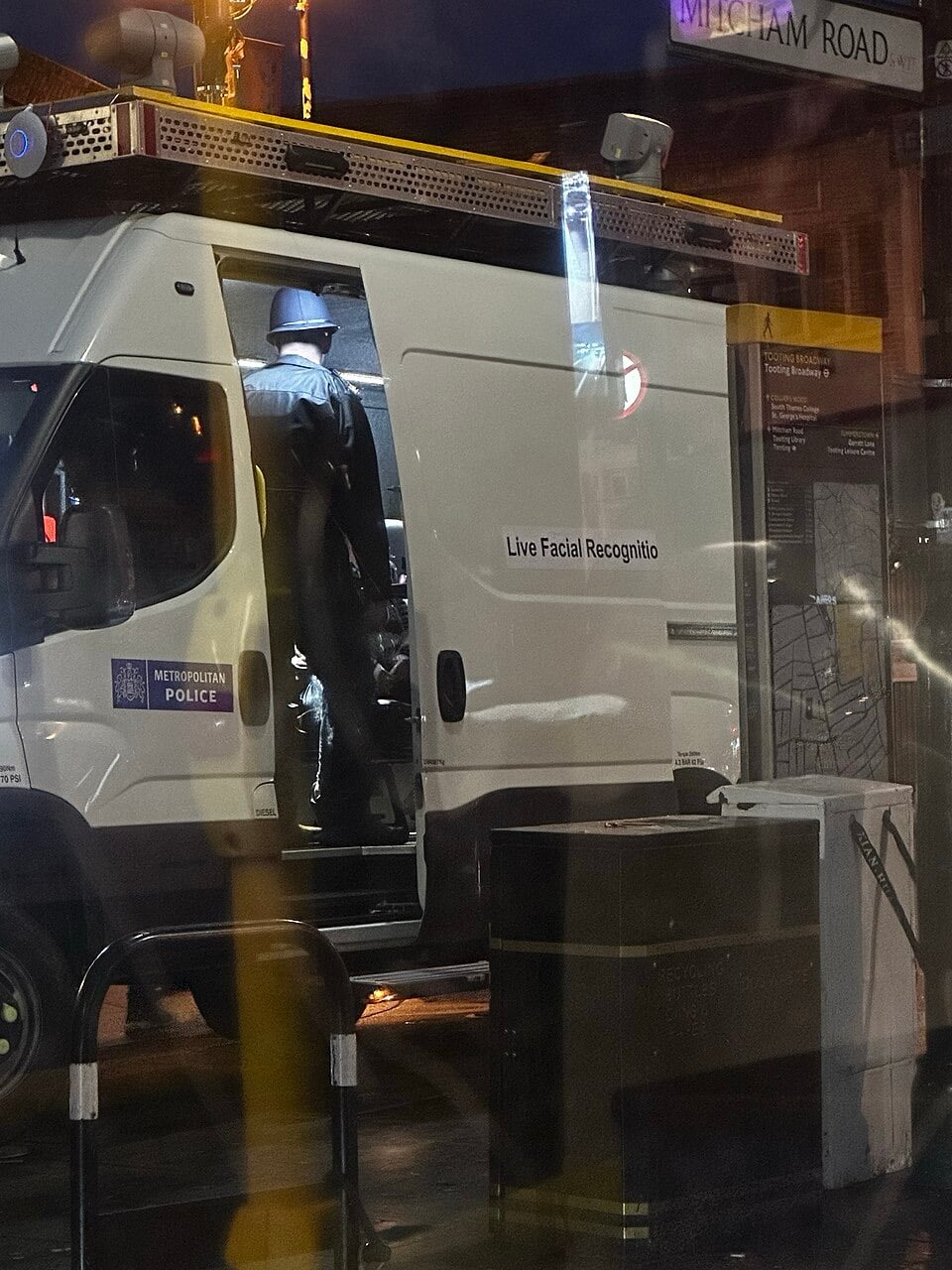
Static facial recognition cameras deployed on a south London high street led to 173 arrests in five months — averaging one every 35 minutes when the technology was active — as the Metropolitan Police published results from its most significant trial of the technology to date.
The pilot, which ran in Croydon between October 2025 and March 2026, marked the first time the Met had used fixed cameras rather than mobile vans for live facial recognition. Placed on Croydon High Street, the cameras were used across 24 operations and scanned more than 470,000 members of the public during the trial period. Those arrested included individuals wanted for kidnap, rape, serious sexual assault and other serious offences.
Among those detained were a 36-year-old woman who had failed to appear in court for an assault charge dating back to 2004, a 31-year-old man wanted for voyeurism for more than six months, and a 41-year-old man sought in connection with a rape in Croydon in November. The Met said crime in the area fell by 10.5 per cent over the same period, including a 21 per cent reduction in violence against women and girls.
The force recorded just one false alert during the entire trial, in which the individual was spoken to by officers before being allowed to leave. Biometric data of those not on the watchlist is deleted immediately after scanning.
Lindsey Chiswick, the Met’s national lead for live facial recognition, said the results demonstrated why the technology was “such a powerful tool when it’s used carefully, openly and in the right places.” She added that the force would continue using static cameras in Croydon as part of its regular deployments.
The findings arrive in the wake of a landmark High Court ruling last month in which judges rejected claims that the Met had breached human rights and privacy laws through its use of facial recognition in public spaces. The case had been brought by civil liberties group Big Brother Watch on behalf of Shaun Thompson, 39, a community worker who was wrongly flagged as a criminal after being filmed at London Bridge station and detained by officers for 30 minutes. The group’s director, Silkie Carlo, had argued that the cameras’ deployment was so “permissive” as to breach Article 8 of the European Convention on Human Rights. The court disagreed.
Scotland Yard Commissioner Sir Mark Rowley said the ruling gave the force a “mandate” to expand use of what he described as “fabulous” technology.
Croydon presents a particular case for the pilot, with violent offences running at 110 per cent of the national average and anti-social behaviour at between 159 and 165 per cent. Reaction among residents has been mixed. Speaking to the Daily Mail earlier this year, John, 81, described crime on the high street as “rife” before the cameras were installed and said he now felt safer, adding: “If you haven’t been involved in any crime, why should you worry about it?” Amy, 33, a lifelong Croydon resident, took a more sceptical view, suggesting the cameras would simply push criminal activity to other parts of the borough rather than eliminate it. “Now people know exactly where it’s all set up and where police are going to be waiting,” she said.
