



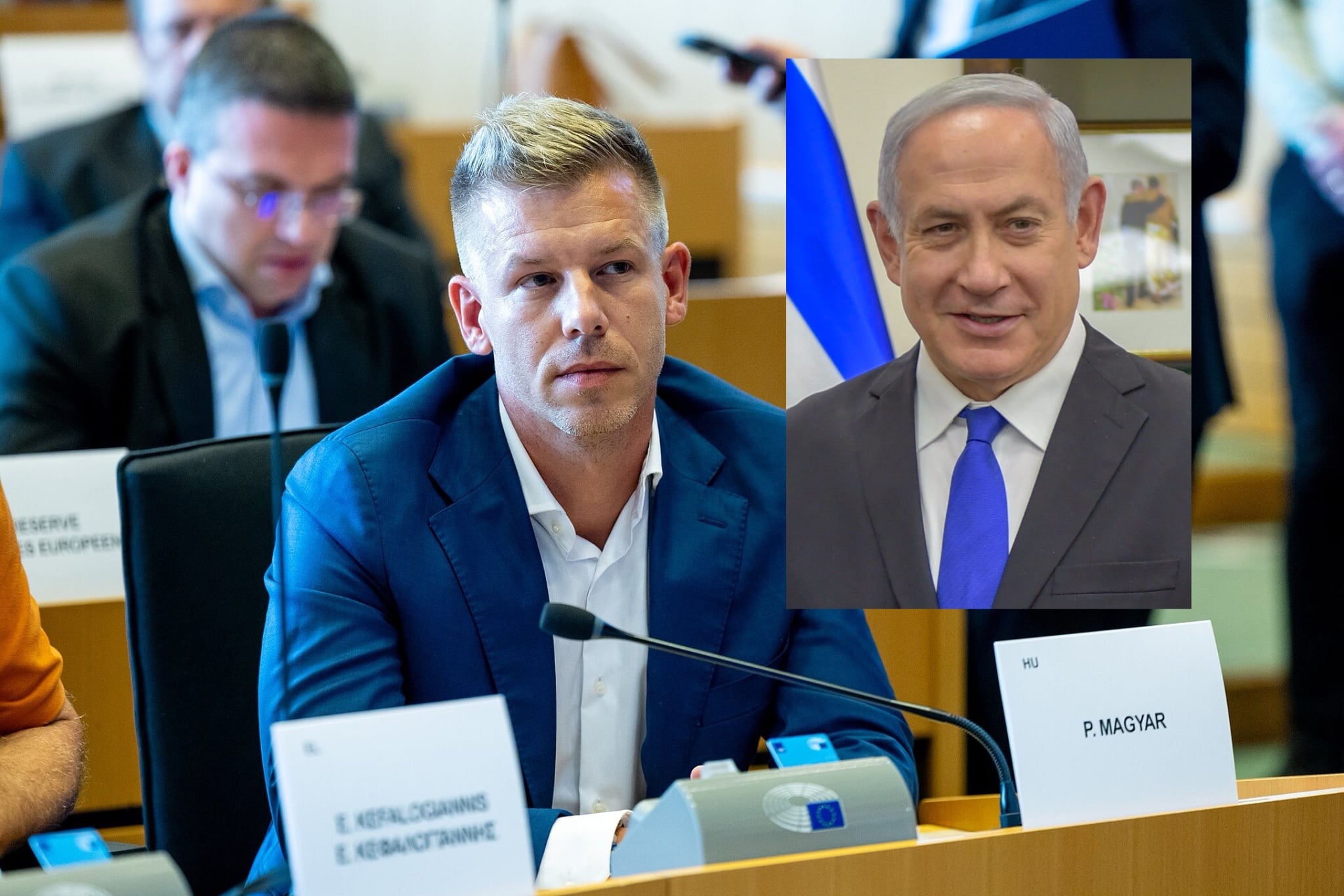
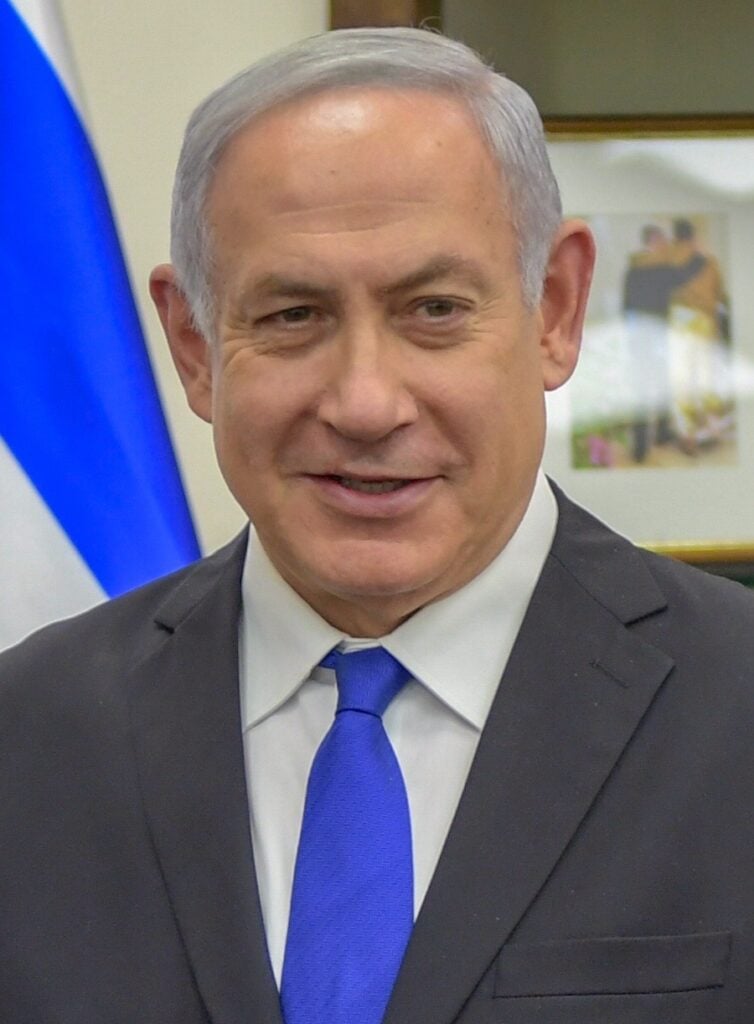
Benjamin Netanyahu faces the prospect of arrest if he travels to Hungary later this year, after the country’s incoming prime minister declared he intends to halt Budapest’s withdrawal from the International Criminal Court and enforce the warrant issued against the Israeli leader.
Péter Magyar, who is set to replace longtime Netanyahu ally Viktor Orbán as Hungary’s prime minister, said on Monday that his government would stop the ICC withdrawal process by 2 June — the deadline by which the move could still be reversed — and that once Hungary remained a member of the court, any individual subject to an arrest warrant who entered its territory would face detention. “If a country is a member of the ICC and a person who is wanted by the ICC enters our territory, then that person must be taken into custody,” Magyar said.
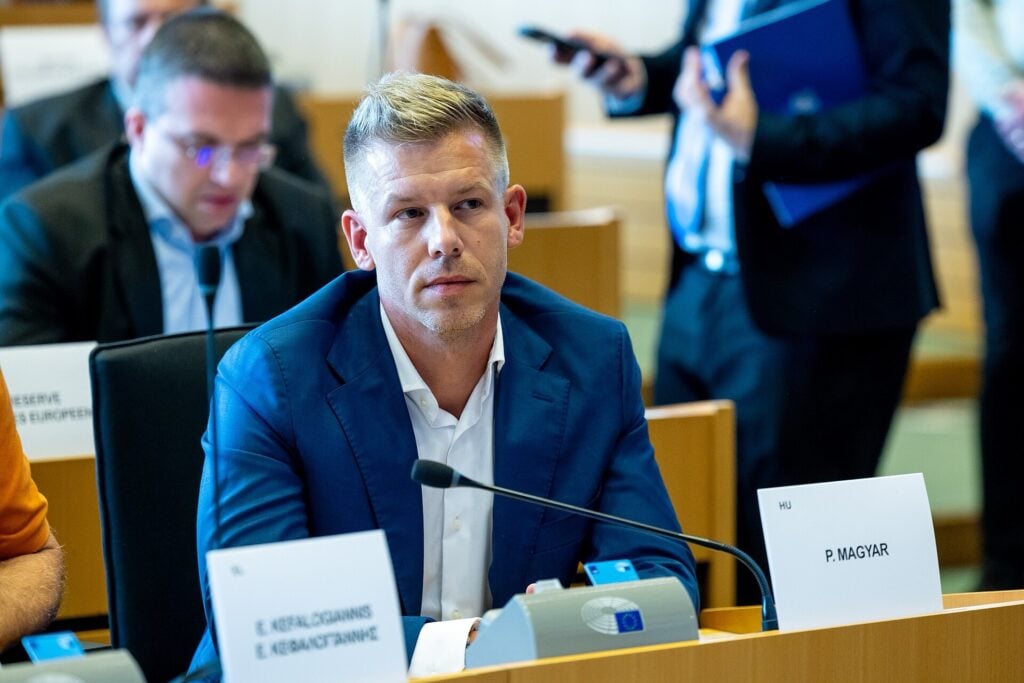
He added that he had already communicated this position directly to the Israeli prime minister, telling reporters: “I made this clear to the Israeli prime minister as well — it is the Tisza government’s firm intention to stop this and ensure that Hungary remains a member of the ICC.”
The ICC issued an arrest warrant for Netanyahu in November 2024 over allegations of war crimes and crimes against humanity. Netanyahu has already accepted an invitation to visit Hungary this autumn, but Magyar’s announcement has thrown that trip into serious uncertainty.
The situation is a direct consequence of Orbán’s handling of Netanyahu’s previous visit to Budapest in April 2025. Ahead of that trip, Orbán announced Hungary’s withdrawal from the ICC and personally guaranteed the Israeli leader immunity — a move widely condemned by international legal observers. Under the court’s statute, withdrawal takes one year to take effect from the date of formal notification, meaning Magyar’s deadline of 2 June, one year after Hungary filed its withdrawal notice, represents the last opportunity to prevent the exit from becoming final.
Hungary’s potential change of course places it at odds with several other European governments that have similarly sidestepped the arrest warrant. France argued that detaining Netanyahu would conflict with other international obligations, citing Article 98 of the ICC statute, which cautions against actions inconsistent with diplomatic immunity agreements. Italy granted the Israeli leader immunity during his visit, while Germany’s then-Chancellor Olaf Scholz said last year that he could not envisage his country arresting Netanyahu.
Whether Magyar’s stated intention translates into action when Netanyahu’s visit approaches remains to be seen, but the declaration marks a significant shift in Hungary’s position and a sharp break from the Orbán era’s unconditional support for the Israeli government.
