



Tehran has announced the resumption of commercial shipping through the strategic Strait of Hormuz for the duration of the current ceasefire, even as Washington maintains its blockade of Iranian ports following the collapse of weekend peace negotiations in Pakistan.
Foreign Minister Abbas Araghchi confirmed Friday that all merchant vessels may transit the critical waterway using coordinated routes established by Iran’s Ports and Maritime Organisation, linking the decision to the temporary cessation of hostilities in Lebanon.
“In line with the ceasefire in Lebanon, the passage for all commercial vessels through Strait of Hormuz is declared completely open for the remaining period of ceasefire,” Araghchi stated via social media platform X, specifying vessels must follow designated corridors already published by maritime authorities.
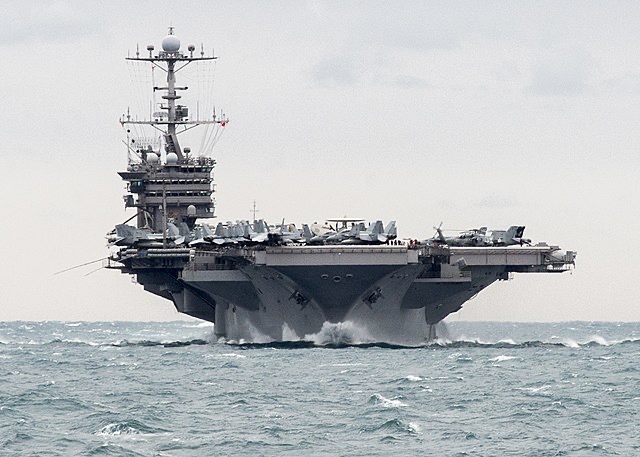
The declaration comes against a backdrop of continued American naval enforcement preventing Iranian port access, implemented after diplomatic talks between US and Iranian negotiators in Islamabad failed to yield breakthrough progress towards a permanent settlement.
Britain and France have convened a virtual leadership summit to coordinate strategies for restoring full shipping operations through the passage, with particular focus on addressing concerns about potential mine threats that could endanger merchant traffic even with Tehran’s reopening announcement.
The Strait of Hormuz serves as a chokepoint for global energy markets, with approximately one-quarter of seaborne petroleum shipments passing through the narrow channel separating Iran from the Arabian Peninsula during normal operations.
Meanwhile, Lebanese President Joseph Aoun has characterised ongoing direct negotiations with Israel as both “delicate and crucial” whilst urging national unity during the fragile 10-day truce period.
Addressing parliamentarians earlier Friday, Aoun emphasised international scrutiny of Lebanon’s position, outlining Beirut’s objectives as solidifying the ceasefire arrangement, ensuring complete withdrawal of Israeli military forces, securing prisoner releases and resolving longstanding border demarcation disputes.
The Lebanese leader framed the temporary cessation of combat as essential groundwork enabling substantive diplomatic engagement. “A ceasefire is the gateway to proceeding with negotiations,” Aoun stated, adding that Lebanon’s armed forces would assume fundamental responsibilities following the departure of Israeli troops.
His remarks signal Beirut’s intention to leverage the brief pause in hostilities to address core issues that have perpetuated tensions along the Israeli-Lebanese frontier, with the Lebanese military positioned to fill security vacuums created by any Israeli withdrawal.
The coordination between Iran’s shipping announcement and developments in Lebanon suggests Tehran views regional de-escalation efforts as interconnected, though the persistence of the US blockade demonstrates significant obstacles remain before normal maritime commerce can fully resume.
