



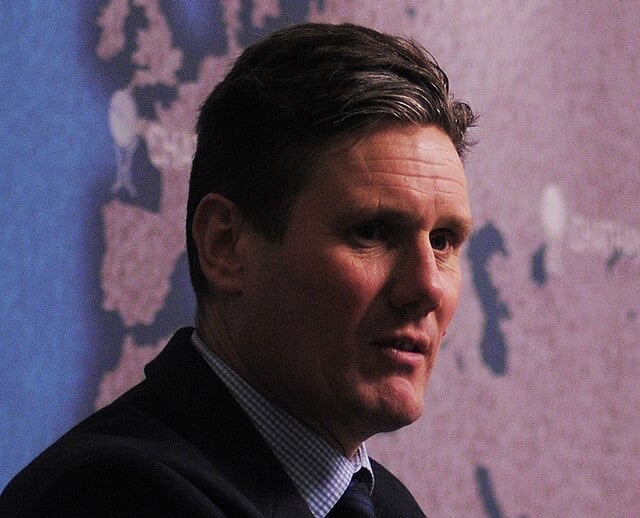
Keir Starmer has condemned what he characterised as a catastrophic breakdown in governmental communication after discovering that neither he nor any Cabinet colleague received notification that security officials had recommended denying Peter Mandelson clearance for the US ambassador role.
The Prime Minister expressed fury at the revelation that the Foreign Office overturned UK Security Vetting’s decision without informing Downing Street, leaving him to appoint Mandelson whilst unaware of underlying security concerns that would later trigger a major political crisis.
“I was not told that he had failed security vetting, no minister was told… Number 10 wasn’t told, that is completely unacceptable,” Starmer told broadcasters, describing the concealment as both “unforgivable” and “staggering.”
The admission represents Starmer’s first detailed public response to revelations that have consumed Westminster in recent days, prompting the effective dismissal of Foreign Office permanent secretary Sir Olly Robbins and raising questions about ministerial accountability for the appointment process.
Starmer directed his criticism squarely at officials rather than accepting personal responsibility, emphasising that prime ministerial appointments should never proceed without full disclosure of security vetting outcomes. “It is totally unacceptable that the prime minister making an appointment is not told that security vetting has been failed,” he stated.
The Prime Minister pledged to provide Parliament with comprehensive disclosure when he addresses MPs on Monday, promising to “set out all the relevant facts in true transparency”—a commitment that follows widespread accusations his government has concealed critical information about the Mandelson appointment.
Starmer’s assertion that he learned of the vetting failure only this week has faced scepticism from opposition parties and some Labour backbenchers, who question whether such sensitive information regarding a high-profile diplomatic posting could genuinely have been withheld from Number 10 throughout the appointment and resignation process.
The controversy centres on the unusual sequence whereby Mandelson underwent security screening only after his December 2024 appointment was publicly announced, creating bureaucratic complications when vetting officials recommended denial—a recommendation the Foreign Office subsequently overruled using rarely invoked emergency powers.
Starmer’s expression of fury suggests he recognises the political damage inflicted by the scandal, which has prompted private warnings from Labour MPs that his premiership may not survive the fallout.
