



Britain’s long-awaited statutory inquiry into grooming gangs will explicitly investigate whether ethnicity, culture and religion influenced both offending patterns and institutional failures to protect victims, the chair has confirmed.
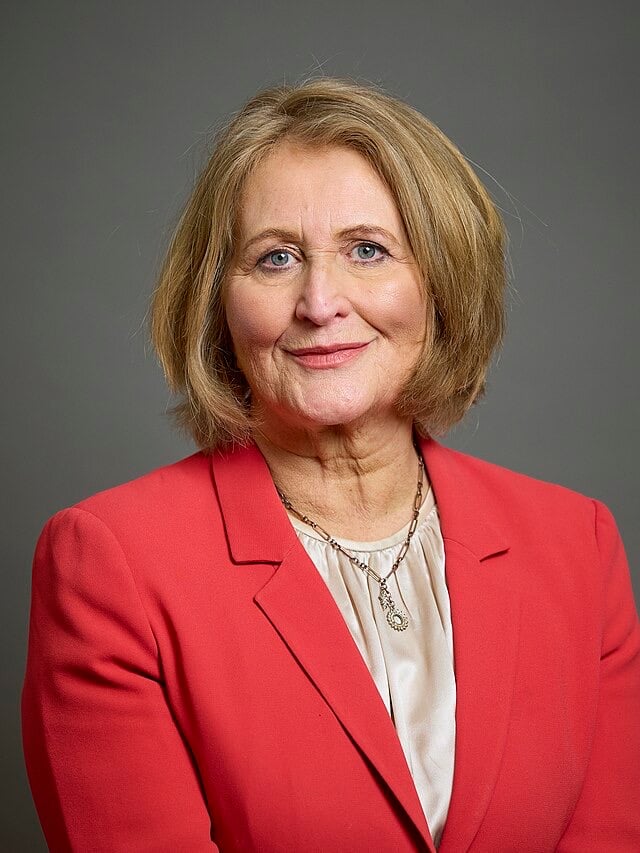
Baroness Anne Longfield, the former children’s commissioner appointed to lead the £65 million review, has promised the investigation “will not flinch from uncomfortable truths” as she published terms of reference addressing questions previous inquiries avoided.
The inquiry team acknowledged criticisms of past investigations, stating: “These are questions that previous reviews chose not to address. This inquiry will not avoid them.”
Baroness Longfield’s remit encompasses examining how police forces, social services, local authorities and schools responded—or failed to respond—to evidence of systematic sexual exploitation spanning three decades from 1996 onwards.
“Children across England and Wales were – and still are – sexually abused and exploited by grooming gangs. Raped. Trafficked. Threatened into silence,” the Baroness stated. “What has been disputed, what has been minimised, explained away, or buried for far too long, is why the institutions that exist to protect them so often chose not to act.”
Home Secretary Shabana Mahmood characterised the scandal as “one of the darkest moments in our country’s history,” pledging: “There will be no hiding place for the predatory monsters who committed these vile crimes.”
The inquiry, expected to conclude by March 2028 with offices in London, Leeds and Wales, will employ statutory powers compelling reluctant witnesses to testify. Baroness Longfield will utilise legal assistance despite not being a judge herself—a factor that has generated concern amongst some survivors.
She will be supported by panel members Zoë Billingham, who has extensive public services inspection experience, and Eleanor Kelly, former Southwark chief executive who oversaw the Grenfell disaster response.
Local inquiries with £5 million budgets each will run alongside the national investigation, with Oldham confirmed and Bradford under pressure to secure one.
The inquiry stems from political pressure that intensified last January following social media commentary about grooming gangs. The Government initially commissioned Louise Casey’s rapid audit, which found in June that “ignorance, prejudice, and defensiveness contributed to a collective failure to protect children” whilst highlighting flawed ethnicity data collection.
Two initial chair candidates withdrew following poor survivor reaction before Baroness Longfield’s December appointment.
Conservative MP Robbie Moore has raised concerns evidence may have been destroyed during delays before institutions received formal preservation instructions, though the Home Office insists appropriate retention measures have been implemented since Casey’s audit.
The inquiry team has spent three months engaging dozens of survivors expressing scepticism about whether the investigation will prove meaningful, with officials promising to publish findings progressively rather than solely at conclusion.
Investigation work commences 13 April.
