



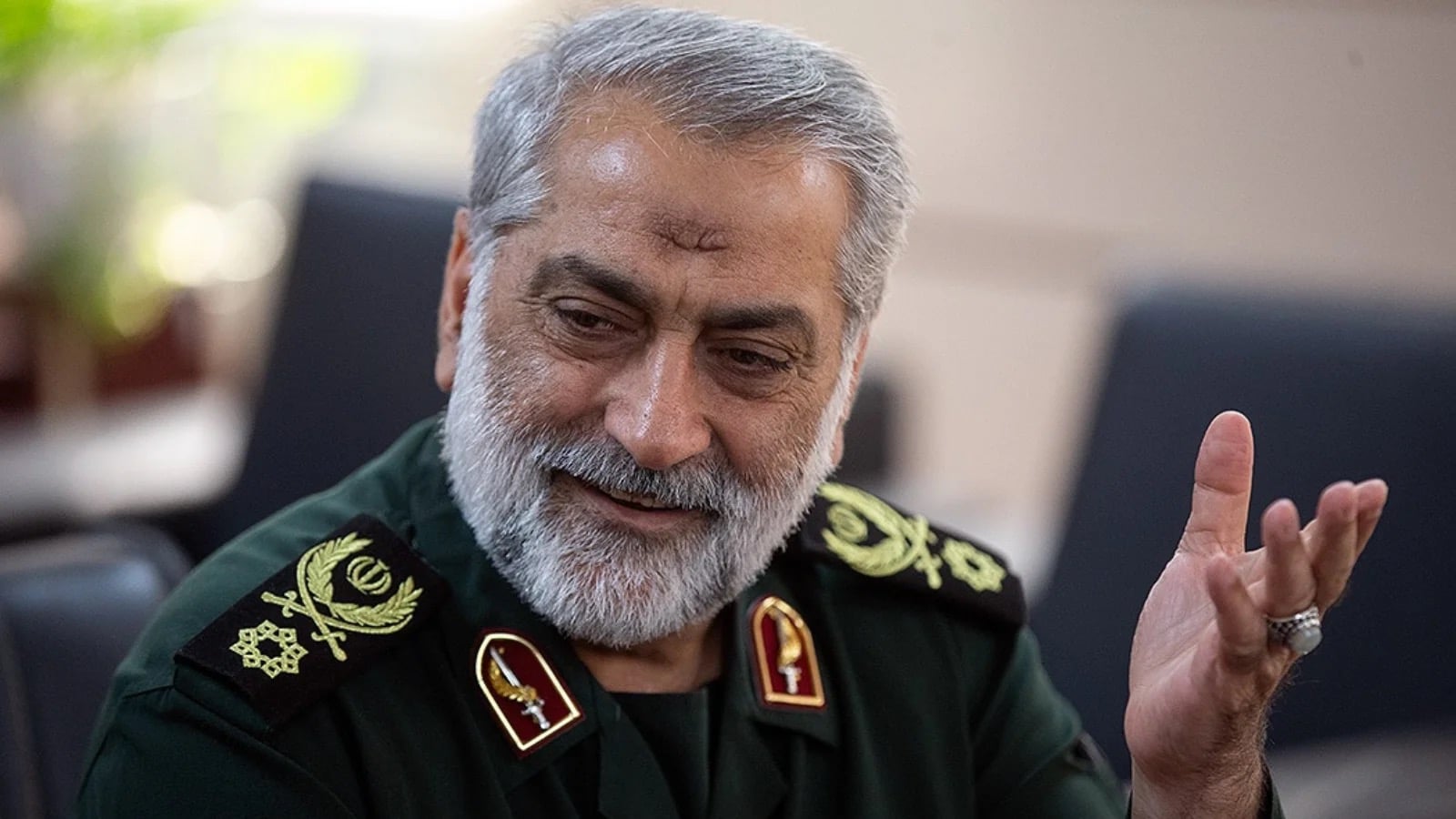
British families preparing for Easter getaways face fresh uncertainty after an Iranian military spokesman issued a sweeping global threat warning that tourist destinations and recreational areas “anywhere in the world” would no longer be safe — coming just days before the UK school holidays begin on 3 April.
General Abolfazl Shekarchi, spokesman for Iran’s armed forces, delivered the warning on Friday, directing it at Western military personnel and officials. “From now on, based on the information we have about you, even parks, recreational areas, and tourist destinations anywhere in the world will no longer be safe for you,” he declared. No specific locations were named in the statement.
The threat arrives as Iranian forces have already struck a number of destinations popular with British tourists. Oman and the UAE have both been targeted with missiles and drones, and a drone strike on Dubai International Airport triggered significant disruption to air travel. British Airways has since cancelled flights to Bahrain, Dubai, Tel Aviv and the Jordanian capital Amman until 31 May, with services to Doha suspended until 30 April and flights to Abu Dhabi cancelled through to October.
Iran also demonstrated its capacity to reach British territory on Friday night, firing two ballistic missiles at the joint UK-US military base on the Chagos Islands — the longest-range attack mounted since the conflict began.
Security concerns extend well beyond the Middle East. Western intelligence agencies have long maintained concerns about Iranian-linked sleeper networks that could be activated during periods of heightened confrontation. Iran’s missile arsenal compounds those anxieties — the Shahab-3 has a range of 1,300 kilometres, while the Khorramshahr can reach targets up to 2,000 kilometres away, placing parts of southern and eastern Europe within potential striking distance.
Dr Andreas Krieg of King’s College London said it was “plausible” that individuals connected to Iran’s Basij paramilitary militia were already operating inside the UK. “Periods of heightened confrontation create incentives for Tehran to demonstrate reach,” he said, adding that leadership instability within the Iranian regime could encourage riskier behaviour.
The National Cyber Security Centre issued guidance to British businesses earlier this month urging them to strengthen their digital defences and prepare to respond to threats from what it described as “Iran-linked hacktivists.” Spring break in the United States is already under way, adding urgency to the security picture on both sides of the Atlantic.
