



A small but potentially significant piece of marble has been recovered from a 19th-century shipwreck off the Greek island of Kythira, with Greek authorities suggesting it may have originated from the Parthenon and formed part of the controversial collection assembled by Lord Elgin.
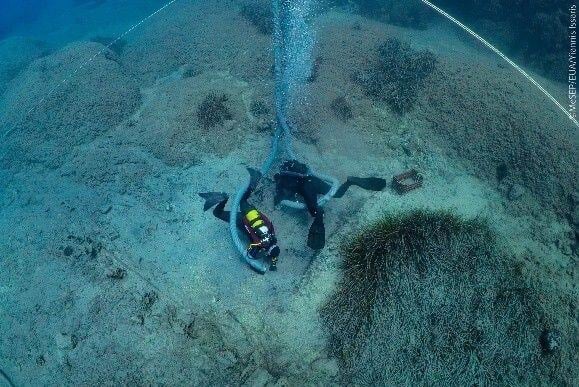
Greece’s Ministry of Culture confirmed the find, which was unearthed during excavations of the Mentor — a brig owned by Thomas Bruce, the British soldier and diplomat better known as Lord Elgin — which sank in September 1802 near the fishing port of Avlemonas on the southeastern coast of the island. The vessel had been carrying artefacts removed from the Acropolis in Athens, including sculptures and architectural elements taken from the Parthenon, when it went down in the Aegean Sea.
The marble fragment is described by the ministry as decorative in nature and bears a sculptural feature resembling a water droplet, a stylistic detail consistent with the architectural character of the Parthenon. Measuring just 3.6 inches at its longest point and 1.85 inches at its widest, it is a modest piece — but one that authorities believe warrants closer examination. Further conservation work at the wreck site and detailed analysis of the fragment itself are planned to help determine its precise origin.
The discovery adds a fresh dimension to one of archaeology’s most enduring controversies. Elgin removed dozens of marble sculptures and architectural fragments from the Acropolis in the early 1800s, transporting them to Britain where they eventually became part of the British Museum’s collection. Greece has long argued the removals constituted looting, while Elgin maintained he had obtained permission from the Ottoman authorities then governing Athens. That dispute has intensified in recent decades as successive Greek governments have pressed for the sculptures’ return.
The Mentor itself was lost before its cargo could reach Britain, and much of what it carried has already been recovered during previous excavations of the site. Earlier dives produced fragments of utensils, sections of the ship’s external copper hull plating and a clay slab believed to have served an insulating function.
Whether the newly found marble can be definitively traced to the Parthenon will depend on the outcome of the conservation and research process now under way.
