



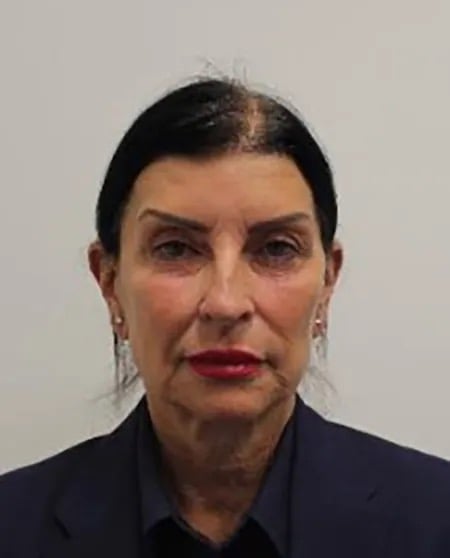
A British Airways flight attendant with nearly four decades of service has been sacked and fined after boarding a flight from Malaga to Heathrow almost eight times over the legal alcohol limit — telling the court she had drunk bottles of wine the night before to deal with personal stress, believing it would have cleared her system by the time she flew.
Deborah Merritt, 59, from Basingstoke in Hampshire, was working on the Airbus A320 service last month when fellow crew members noticed she was unsteady on her feet mid-flight. She was removed from her duties, taken to the back of the cabin and buckled into a seat for landing. Officers arrested her when the aircraft touched down at Heathrow.
A breath test at the time showed Merritt had 70 micrograms of alcohol per 100 millilitres of breath. The legal limit for air crew in the UK is just nine micrograms — meaning she was more than seven and a half times over the limit. She later admitted a drink-related charge based on a second breath test reading of 52 micrograms and was fined £768 with £392 in costs at Uxbridge Magistrates’ Court.
Her defence barrister, Ghulam Ali, told the court that Merritt had been dealing with a difficult family situation and was under considerable stress. “She had a few bottles of wine the day before,” he said. “She thought it would be out of her system. She doesn’t eat so much.” Merritt, whose husband is a pilot, had maintained an exemplary record throughout a 37-year career at the airline — a fact her legal team placed before the court in mitigation.
It made no difference to the outcome at BA. Merritt was dismissed following her arrest and did not return to work. Speaking at court, she said: “I’m devastated I won’t be able to do this job again.”
The case raises serious questions about the pressures facing long-serving cabin crew, and the risks that arise when those pressures go unaddressed. Aviation regulations on alcohol are among the strictest of any profession in the UK, and for good reason — flight attendants are responsible not only for passenger safety in the event of an emergency but for making split-second decisions when things go wrong at altitude.
