



Councils across Britain are offering welfare claimants discounts on drinks at bars, beauty treatments, saunas, beach huts and white water rafting, a Telegraph investigation has found, in findings that critics say illustrate a “welfare culture” that has spiralled out of control while working families face the fastest tax rises in the world.
The Telegraph‘s investigation uncovered a striking range of perks available to Universal Credit and other benefit claimants through council-run or council-affiliated schemes. In Labour-run Leeds, claimants can obtain a LeedsCard Extra for £5 that provides up to 20 per cent off food and drinks at bars and restaurants, £20 off yoga classes, discounts on sports massages and reductions on beauty treatments including microblading and contour procedures. In Colchester, run by a Lib Dem-Labour coalition, benefit claimants can access £155 off beach hut rentals. Labour-run Wandsworth council, which describes its own offering as “Britain’s best concession scheme,” provides discounts of between 50 and 100 per cent on gym sessions, swimming lessons and even wedding ceremonies and events.
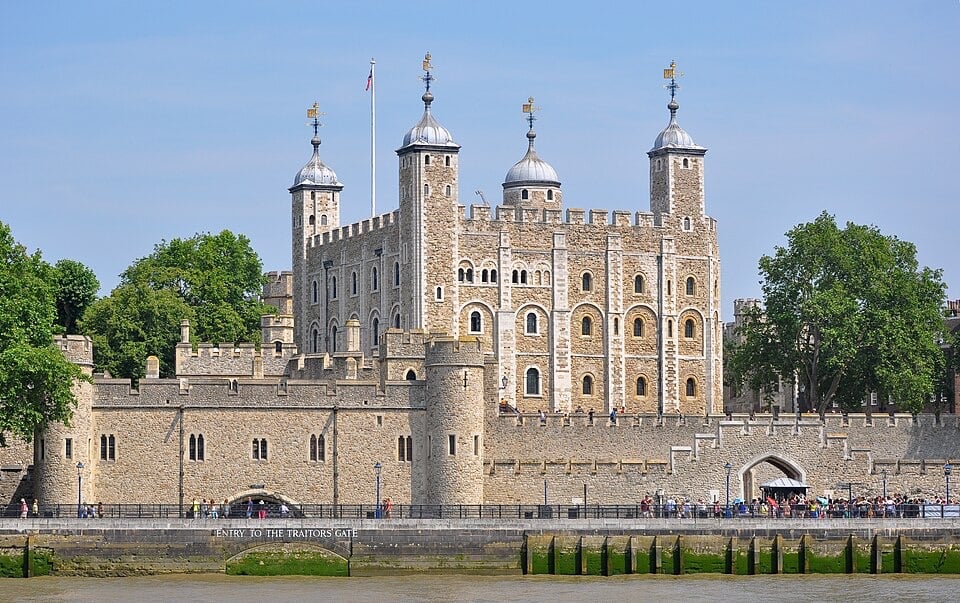
Elsewhere, benefit recipients can access discounted tickets at football clubs including Dulwich Hamlet, where jobseekers can attend for £5.50 compared with the standard £13, as well as discounts at comedy clubs, Odeon cinemas, ice rinks, rowing clubs and sauna facilities. The National White Water Centre is also signed up to concession arrangements. Separate investigations have previously revealed that benefit claimants can visit the Tower of London, London Zoo and the Eden Project at heavily reduced rates, with some attractions charging Universal Credit claimants as little as £1.
Sir Iain Duncan Smith, the architect of Universal Credit, said The Telegraph’s findings were “the most startling evidence to date that perverse incentives are creeping back” into the welfare system he reformed a decade ago. Writing in The Telegraph, he said an “ever-growing list of freebies, relaxed work-search rules and online assessments are all wreaking havoc on the system while costing taxpayers a fortune.”
The findings land at a politically sensitive moment. Britain’s annual benefits bill has now surpassed £300 billion, with the number of Universal Credit recipients rising by 1.5 million since Labour came to power to reach 8.4 million — around half of whom are not required to work. Average council tax bills are approaching £2,400 a year, and the International Monetary Fund has assessed that Rachel Reeves is raising taxes at the fastest pace of any country in the world.
Shadow work and pensions secretary Helen Whately MP accused Labour of creating “a Britain where you are better off not working,” describing the perks as a “freebie culture that treats benefits as a rewards scheme.” Reform’s welfare spokesman Lee Anderson was more blunt: “What’s the point in getting out of bed in the morning? Hard-working families get hit with higher taxes in order to pay for people on benefits who get cheaper drinks out, discounted spa days and to go white water rafting.”
The issue has also surfaced internal Labour tensions. Health Secretary Wes Streeting broke ranks this month to publicly back cuts to the welfare budget to fund increased defence spending, saying the money had to “come from somewhere” — a remark that added pressure on the Prime Minister following a series of retreats on benefits reform, including the abandonment of Personal Independence Payment changes and the reversal of winter fuel payment cuts.
A government spokesman said the administration was clear that working households should consistently be better off than those on benefits alone, and pointed to employment reforms and a Jobs Guarantee programme as evidence of its commitment to getting people into work.
