



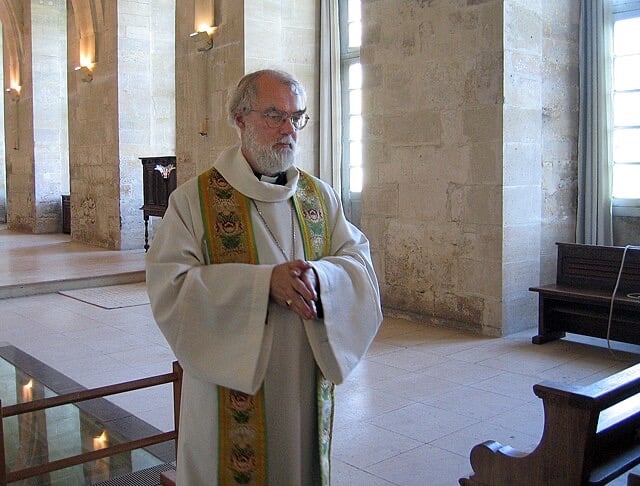
The Church of England’s most senior office allegedly deployed unexpectedly blunt language to challenge BBC Radio producers over a 2008 storyline depicting an interfaith marriage—though officials representing the former Archbishop now insist no record exists of the confrontation that an actor claims occurred nearly two decades ago.
John Telfer, who portrays vicar Alan Franks in The Archers, told BBC Radio 4’s Sunday programme that production staff received contact from Rowan Williams’ office shortly after broadcasting his character’s wedding to Hindu lawyer Usha Gupta, with ecclesiastical officials demanding to know: “What the hell do you think you’re doing? A Church of England vicar marrying a Hindu?”
The alleged intervention—if it occurred—represents extraordinary example of institutional religious authority attempting to influence creative decisions about fictional clergy whose depicted behaviour might shape public perceptions of actual Church positions on interfaith relationships. Yet Lambeth Palace sources have cast substantial doubt on whether the episode unfolded as Telfer described, telling the Daily Mail they found no archival evidence whilst expressing scepticism that interfaith advisors would employ such confrontational phrasing “in any situation.”
The competing narratives create unresolvable tension: either the complaint occurred as claimed and institutional memory has failed, or the actor embellished routine editorial feedback into more dramatic confrontation during his radio interview discussing The Archers’ evolving approach to diversity representation.
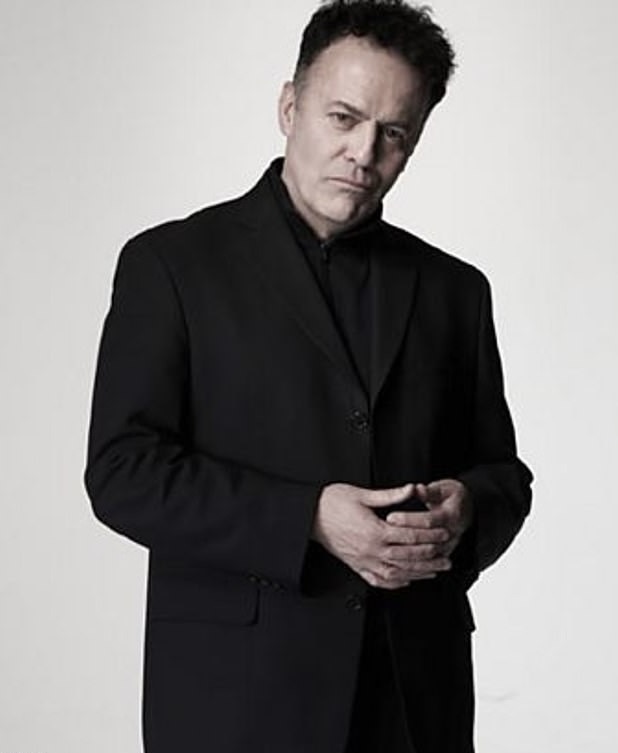
Alan Franks, played by actor John Telfer (pictured), married lawyer Usha Gupta in March 2008, and went on to have two weddings in the fictional village of Ambridge
Why the 2008 Storyline Generated Controversy Within Fictional Ambridge
The marriage plot that allegedly triggered archiepiscopal objection saw St Stephen’s church vicar Alan Franks propose to Usha Gupta in March 2008 before conducting dual ceremonies acknowledging both partners’ faith traditions—a Hindu wedding on 27 August followed by Christian service two days later in the fictional village of Ambridge.
The storyline deliberately incorporated family and community disapproval mirroring real-world tensions that interfaith couples navigate when religious communities view such unions as theological compromise. Telfer emphasised he personally received no negative audience reactions, suggesting any institutional objections—if genuine—originated from ecclesiastical circles rather than ordinary listeners whose tolerance apparently exceeded their spiritual leaders’ comfort levels.
The production team’s reported defence invoked a real-life parallel to justify their creative decision: a Church of England vicar in southwest England who had married a Hindu partner, thereby establishing precedent that the fictional portrayal reflected rather than invented improbable scenarios. Telfer did not name this clergyman during his Sunday programme interview, though the description matches Derek Barnes, who married Hindu woman Rohini in 1990 despite clerical colleagues pressuring him to demand her conversion.
Barnes, now in his early 80s, told The Independent in 1998 that “there were no problems for us, only for other people,” describing sustained hostility from fellow Christians: “Soon after we met, some of my colleagues started to put pressure on me, and said that they’d be happier if she converted.” The couple maintained separate faiths whilst raising two children named Himal and Niraj, incorporating “one or two Hindu and African elements” into their church wedding before conducting a separate Hindu ceremony during Rohini’s first pregnancy.
Rohini Barnes recalled the backlash with evident bewilderment: “People have been horrid—we still have people praying for us because I’m not ‘Christian.’ For a time, they wanted me to stay away from ‘baby Christians’—people who had just been converted. I really have no idea why.” Her account suggests that even when individual bishops permitted interfaith clergy marriages, broader Christian communities maintained opposition grounded in theological exclusivism that viewed such relationships as dangerous contamination requiring quarantine from new converts.
What Lambeth Palace’s Denial Reveals About Institutional Memory
The source representing the former Archbishop’s office expressed dual scepticism: both about whether the alleged contact occurred and about the language Telfer attributed to ecclesiastical officials. The assertion that interfaith advisors would not employ phrasing like “What the hell do you think you’re doing?” carries weight given the diplomatic protocols governing how religious institutions typically communicate concerns to media organisations—even when those concerns stem from genuine theological objections.
Lambeth Palace’s inability to locate records of the complaint proves less conclusive than officials apparently believe. Institutional archives frequently fail to preserve routine correspondence, particularly when initial contacts occur via telephone rather than formal written communication. A casual phone call from a junior staffer expressing surprise or concern about a radio drama storyline might never generate documentation entering official files, yet could reasonably be characterised by recipients as “contact from the Archbishop’s office” even if Williams himself remained unaware.
The timing also complicates verification. Rowan Williams led the Church of England from 2002 to 2012, meaning the alleged 2008 intervention occurred midway through his tenure when he confronted far more substantial controversies including women bishops and homosexuality debates that generated genuine institutional crises. Whether his office would devote resources to monitoring and challenging fictional radio drama portrayals of interfaith marriage seems inconsistent with the pressing theological battles demanding his attention during that period.
Yet institutional priorities do not preclude the possibility that interfaith advisors operating independently concluded that The Archers storyline merited feedback. Religious organisations frequently maintain specialist staff monitoring media portrayals whose remit includes flagging potentially problematic depictions even when senior leadership remains focused on larger strategic concerns. Such monitoring might produce exactly the sort of casual contact Telfer described—informal enough to avoid generating formal records, yet memorable enough for production staff to characterise as complaint from the Archbishop’s office.
The Broader Context of Religious Diversity in Long-Running Drama
Telfer’s revelation arrived during discussions about The Archers’ efforts to broaden demographic representation following sustained criticism. A December 2020 photograph marking the programme’s 70th anniversary showed just three BAME actors among 70 cast members—a ratio that prompted accusations the rural drama had failed to reflect contemporary Britain’s diversity despite decades of social change.
Production teams have subsequently introduced characters designed to address these deficiencies, most notably the Muslim Malik family who relocated to Ambridge in autumn 2024 after initial appearances in September 2023. Writer Nick Warburton described the addition as beneficial “for the writing team” by enabling engagement with “the mores, needs and reflections of a different faith”—a formulation suggesting educational value that diversity representation provides for predominantly white, culturally Christian creative staff.
Warburton also noted that production “sometimes get professional guidance from vicars themselves in relation to certain storylines,” adding that “in the narrow sense, the Church of England is behind us.” This assertion of institutional support directly contradicts Telfer’s claim of archiepiscopal complaint, creating narrative tension that neither party has attempted to resolve through direct reconciliation of competing accounts.
The contradiction might reflect evolution in Church attitudes across the 16 years separating the 2008 interfaith marriage storyline from the 2024 Muslim family introduction. What generated alleged “What the hell?” response in Williams’ era may have become unremarkable by the time successive Archbishops confronted very different challenges around declining attendance, clergy shortages, and cultural marginalisation that make media representation seem comparatively minor concern.
Alternatively, the difference may simply reflect that Telfer’s account misrepresents or exaggerates what actually occurred in 2008, whilst Warburton’s description of contemporary Church cooperation accurately captures current relationships between religious institutions and creative industries navigating shared interests in remaining culturally relevant.
What remains indisputable is that real-life interfaith clergy marriages existed throughout the period when The Archers dramatised such relationships, undermining any suggestion that producers invented scenarios lacking precedent. Derek and Rohini Barnes’ experience demonstrates both that Church of England vicars could marry Hindu partners whilst maintaining religious vocations and that such arrangements generated sustained hostility from fellow Christians who viewed them as unacceptable theological compromise.
Whether a former Archbishop’s office actually deployed profane language to challenge fictional portrayal of such marriages may never be definitively established absent documentation that Lambeth Palace insists does not exist. Yet the claim’s persistence despite institutional denial ensures it will circulate as broadcasting industry lore—a reminder that memorable anecdotes often survive regardless of evidentiary support, particularly when they align with broader narratives about religious institutions’ discomfort with social change that challenges traditional boundaries.
