



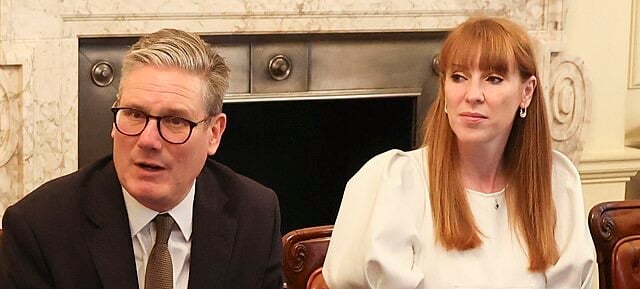
Sir Keir Starmer has signalled a potential retreat from controversial immigration reforms following a significant backbench revolt and warnings the proposals could devastate the adult social care sector.
More than 100 Labour MPs signed a letter condemning plans to extend the qualifying period for indefinite leave to remain from five to ten years, describing the policy as unjust and a betrayal of fundamental party principles.
The Prime Minister acknowledged in a Sunday Mirror interview that “powerful” arguments from social workers about the impact had influenced his thinking, though he stopped short of confirming the policy would be abandoned.
“We must always remember that people do want firm rules. They want clear rules, but they also want compassionate and fair rules,” Sir Keir stated, adding that no final decisions had been reached on whether the changes would apply retrospectively to migrants already residing in Britain.
The consultation on the proposals has triggered fierce internal opposition, with then-Deputy Prime Minister Angela Rayner amongst those labelling the plans “un-British.” Neil Duncan-Jordan, Labour MP for Poole, accused the Government of “chasing Nigel Farage’s tail instead of doing what’s best for the country.”
Rebel MPs warned in their letter that adult social care already faces approximately 110,000 vacancies, with the reforms threatening to push the sector “closer to breaking point” whilst awaiting the Casey Review and Fair Pay Agreement.
Union leaders cautioned the measures would “move the goalposts” for migrants currently living in the country who have not yet secured indefinite leave to remain.
Mr Duncan-Jordan, who previously worked with migrant care workers as a trade unionist, said: “They’re decent, hardworking people who do a challenging job in difficult conditions, often for low pay. We shouldn’t be going after those people. It pushes a struggling sector closer to crisis and it’s just not fair.”
The potential climbdown comes as Labour confronts electoral uncertainty ahead of May’s local council elections, with Sir Keir emphasising his determination to occupy the centre ground of British politics.
“I think very few people want to see Nigel Farage or Zack Polanski as Prime Minister,” he declared. “I believe firmly that there are a very large number of people in the middle of politics – which is where politics is always won from – who want to know that there is a Government that has progressive answers to the challenges in their lives.”
The Prime Minister added: “We need to make our case more powerfully to them, give them a better account of what we’ve done.”
