



Britain has been hit harder than any other major economy by the fallout from the Middle East conflict, according to the first detailed assessment from a significant international body of the war’s financial impact.
The Organisation for Economic Co-operation and Development has cut its 2026 growth forecast for the UK by half a percentage point, leaving output expected to rise by just 0.7 per cent this year — the largest single downgrade recorded among OECD member states. The eurozone and South Korea suffered the next biggest reductions.
The UK’s particular vulnerability stems from its heavy dependence on imported energy. Rising gas prices are expected to squeeze household budgets and push up business costs at a time when the economy was already under pressure. UK consumer price inflation is now forecast to average four per cent across 2026, up from a current rate of three per cent and 1.5 percentage points higher than the OECD projected as recently as December.
The organisation identified rising crude oil prices as the primary driver of the downgrades, compounded by increases in related commodities including jet fuel, diesel and fertilisers. It warned that “a prolonged period of higher energy prices will add markedly to business costs and raise consumer price inflation, with adverse consequences for growth,” while cautioning that the full breadth and duration of the conflict remained deeply uncertain and that outcomes could prove worse than currently modelled.
Disruption to Middle Eastern food supply chains is adding to the pressure. The region is a significant producer of urea and ammonia used in fertiliser production, and supply constraints are expected to feed through into higher global food prices. Several Asian governments have already responded by introducing precautionary measures, including energy rationing for businesses in India and export restrictions in China.
The picture is markedly different for the United States, which as a major oil and gas exporter stands to benefit financially from elevated global energy prices — a stark contrast to the position facing Britain and much of Europe.
The OECD urged governments to reduce dependence on fossil fuel imports and ensure that targeted energy support reaches the most vulnerable households, while calling on central banks to remain focused on controlling inflation as global price pressures build.
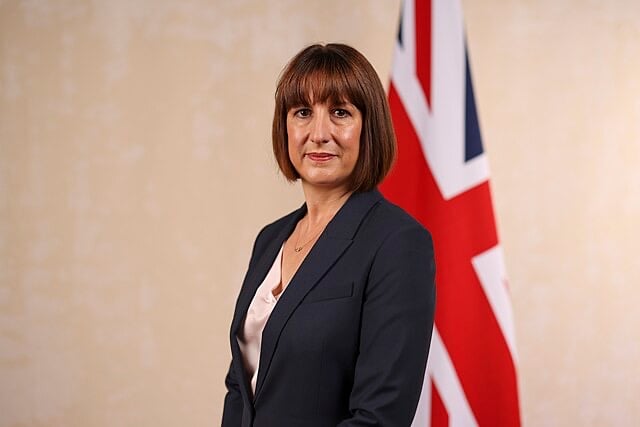
Chancellor Rachel Reeves acknowledged the economic damage, saying the conflict “will have an impact on our country” while arguing that previous policy decisions had strengthened the UK’s resilience. She pointed to investment in regional growth, artificial intelligence and a strengthened relationship with the European Union as the foundations of what she described as “the right economic plan” for an uncertain world.
