



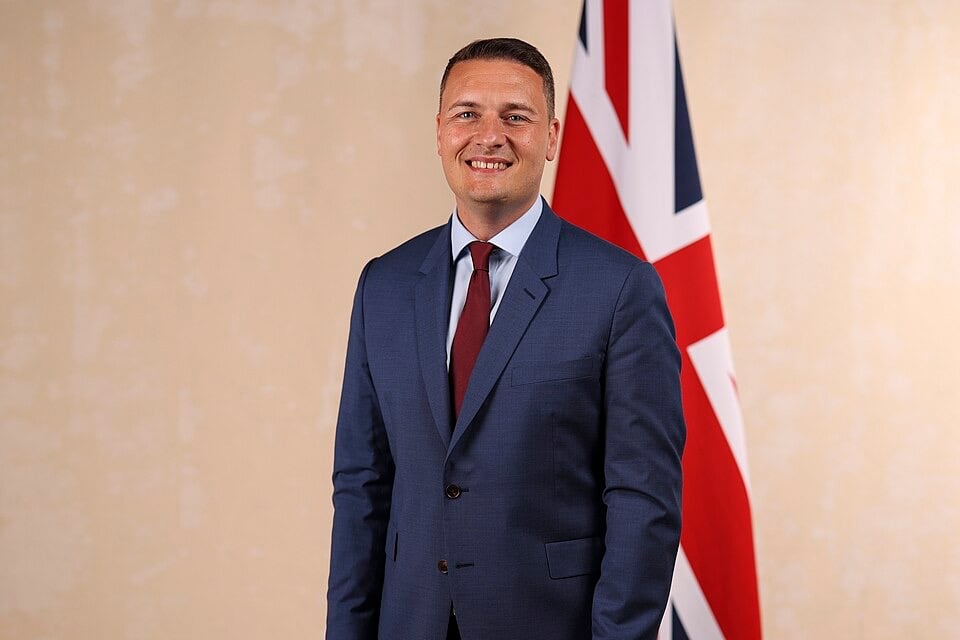
Wes Streeting is reported to be on the verge of resignation and prepared to trigger a Labour leadership contest as early as Wednesday, after a 16-minute meeting with Keir Starmer at Downing Street did little to ease the deepening crisis engulfing the Prime Minister.
The Health Secretary’s brief visit sparked immediate speculation that the two men had failed to reach any agreement, with allies of the Prime Minister dismissing the encounter as a “quick cup of coffee” and insisting Mr Streeting lacks both the numbers and the “nerve” to mount a formal challenge. Mr Streeting is said to have indicated he would hold off on any further moves until after the State Opening of Parliament, to avoid drawing the monarch into the political turmoil.
That turmoil, however, shows little sign of abating. Major trade unions delivered a significant blow to the Prime Minister on Wednesday morning, issuing a joint statement that declared it “clear that the Prime Minister will not lead Labour into the next election.” Unite, Unison and the GMB said the local election results last week had been “devastating” and that Labour was “not doing enough to deliver the change that working people voted for.” While acknowledging progress on the Employment Rights Act and the minimum wage, the unions called for a fundamental change of direction on economic policy, adding that plans for a new leadership election would need to be made “at some stage.”
The statement from the Trade Union and Labour Organisation, chaired by Usdaw general secretary Joanne Thomas, stopped short of naming a preferred successor but made clear the affiliated unions intend to shape whatever comes next.
The political backdrop grows more turbulent by the day. Four Labour ministers resigned on Tuesday, saying they had lost confidence in the Prime Minister. Jess Phillips, the most prominent of those to quit, criticised his failure to be “bold.” Dr Zubir Ahmed followed her, citing a “lack of values-driven leadership” and declaring that the public had “irretrievably lost confidence” in Mr Starmer. Alex Davies-Jones, understood to be a supporter of Mr Streeting, also left the Home Office, pointing to an absence of “bold, radical action,” while housing minister Miatta Fahnbulleh — an ally of Energy Secretary Ed Miliband — cited the scrapping of the winter fuel payment as a key reason for the erosion of public trust.
The government moved quickly to fill the vacancies, appointing four new ministers and three new whips. Nesil Caliskan joins the Ministry of Housing, Communities and Local Government; Natalie Fleet takes a role in the Home Office; Catherine Atkinson joins the Ministry of Justice; and Preet Kaur Gill takes a post in the Department of Health and Social Care.
The number of Labour MPs publicly calling for Mr Starmer to resign has now reached 90. Home Secretary Shabana Mahmood, who reportedly told the Prime Minister to set out a timetable for his own departure, was forced on Tuesday to deny she was herself on the brink of quitting. A Cabinet meeting earlier in the week saw Mr Starmer vow to fight on, telling ministers he would only discuss the leadership question one-to-one — before, according to sources, declining to meet Mr Streeting individually.
Financial markets have been unsettled by the crisis. Government borrowing costs rose to their highest level this century on Tuesday as traders reacted to the possibility of a leadership change pulling Labour further to the left. The pound fell against both the dollar and the euro, though borrowing costs eased somewhat on Wednesday. Concern has been heightened by a statement from an ally of Manchester mayor Andy Burnham — seen in London on Tuesday but keeping a low profile — who suggested markets would have to “fall into line” were Mr Burnham to take power.
Both Burnham and Deputy Prime Minister Angela Rayner are now being discussed openly as potential successors. Rayner published a lengthy statement on Sunday outlining demands for mass nationalisations and higher taxes. Burnham’s allies claim an MP is willing to stand down to allow him to contest a Commons seat, though it remains unclear whether Labour’s ruling body would permit such a move. Veterans minister Al Carns has also entered the fray, publishing what amounts to a personal platform in the New Statesman.
Deputy Prime Minister David Lammy attempted to steady nerves on Tuesday evening, warning that the party’s “navel gazing” was causing damage to the country. Loyalist minister Nick Thomas-Symonds toured the broadcast studios on Wednesday morning, telling BBC Radio 4’s Today programme: “Anyone would think we were talking about the final scene at a Casino Royale or something.” He maintained that no leadership contest had been formally triggered and insisted the government was “moving on.”
The King’s Speech, taking place Wednesday amid the traditional ceremony of the State Opening of Parliament, will include proposals on closer ties with the EU and advancing the government’s net zero agenda. Notably, it will contain no further measures to reduce the benefits bill — an omission widely interpreted as a reflection of Mr Starmer’s weakened authority. There is reported “outrage” in some quarters that the monarch has been drawn into what one source described as a “shambolic Labour civil war.”
Adding to the Prime Minister’s difficulties, the next release of documents relating to Ambassador Peter Mandelson is expected as early as next week.
Donald Trump weighed in on Tuesday night, saying it was a matter for Mr Starmer whether he chose to resign, while warning the Prime Minister was “windmilling the country to death.”
