



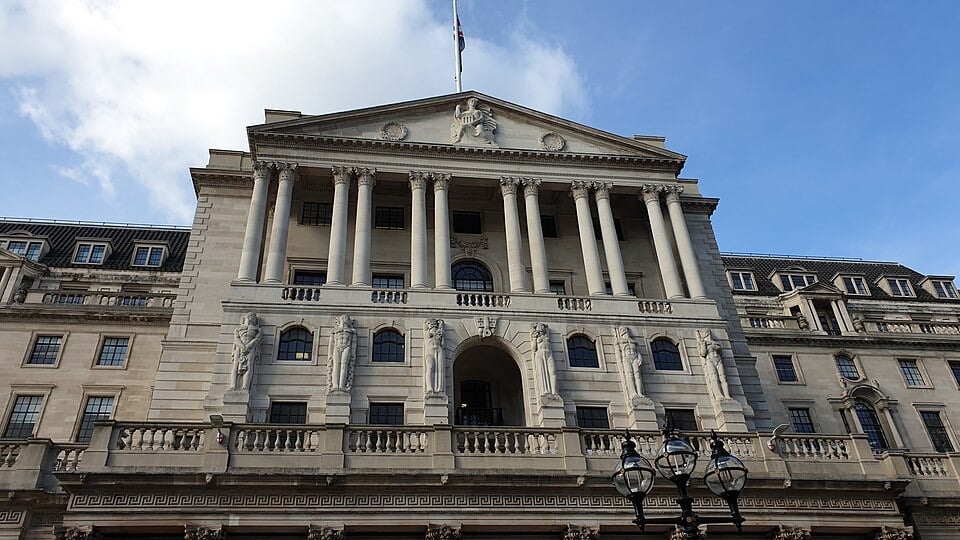
The Bank of England has held its base rate at 3.75 per cent, with eight of the nine members of the Monetary Policy Committee voting to keep rates unchanged and just one member pushing for an increase.
The decision was widely anticipated by economists, who had warned that the ongoing conflict in Iran had made it too soon for rate setters to move in any direction with confidence. Before the war erupted on 28 February, the Bank had been expected to cut rates today, reducing the base rate to 3.5 per cent in what would have been the first reduction of the year. Those plans were shelved as the conflict began injecting significant uncertainty into the economic outlook, pushing up energy prices and fuelling inflation concerns.
The hold carries different implications depending on which side of the financial divide you sit on. For savers, the news is broadly positive — rates on savings accounts are unlikely to fall in the near term and could even edge upward. For borrowers, the picture is less welcome, as interest rates on mortgages, credit cards and personal loans are likely to remain at current levels or potentially rise further.
The Bank’s decision reflects the difficulty facing policymakers at a moment when the economic consequences of the Iran war continue to ripple through global markets. With energy costs elevated and the inflation outlook uncertain, the committee appears unwilling to ease monetary conditions until there is greater clarity on how the conflict will resolve.
