



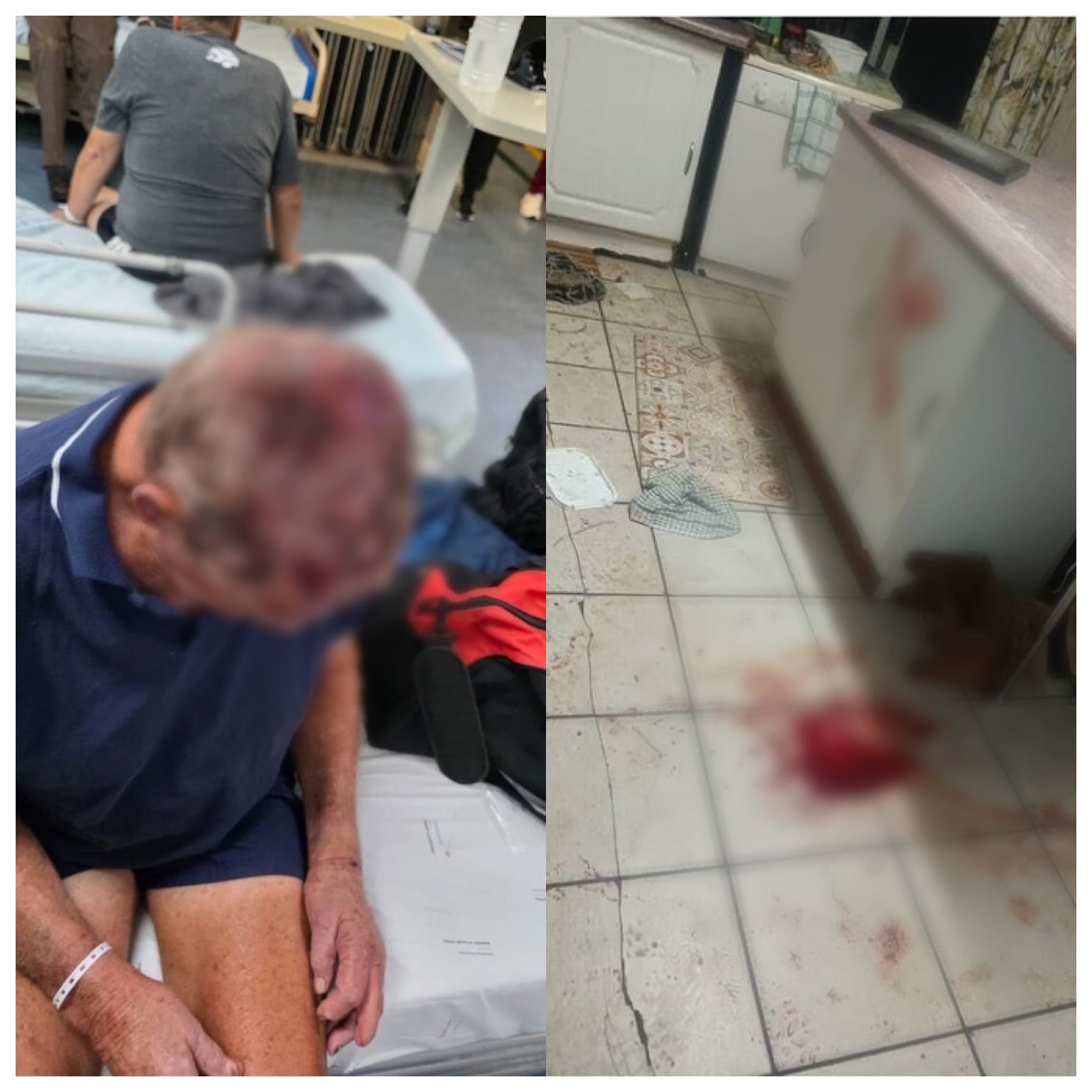
A 76-year-old South African farmer required more than 17 stitches to his head after five armed men broke into his smallholding in Kameeldrift East, Pretoria, in a brutal late-night attack that has reignited debate about rural safety and the ongoing threat to farming communities across South Africa.
Trompie Kruger was at home with his family when the attackers forced their way into the property just after 11pm. The suspects moved swiftly through the house — restraining one family member with cable ties while Kruger’s wife locked herself in the bedroom and hid in the bathroom. The attackers then turned their attention to Kruger himself.
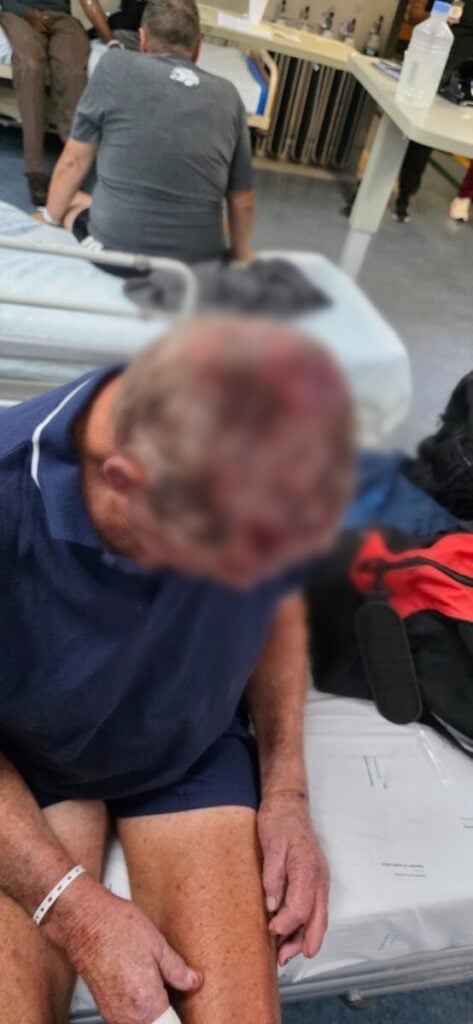
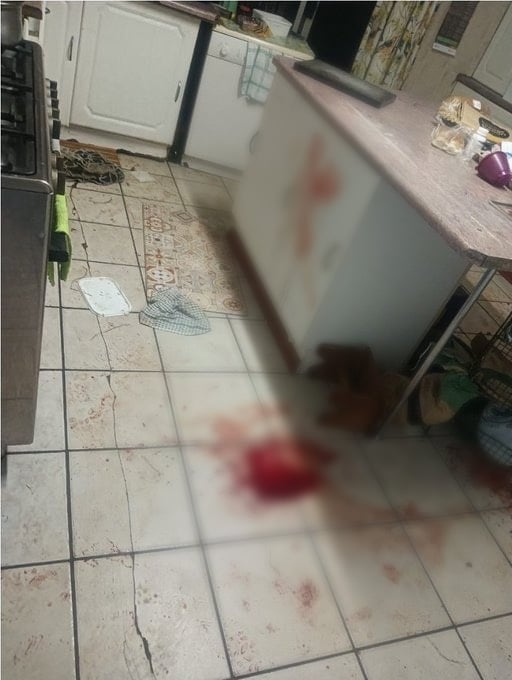
A violent struggle broke out in the kitchen, during which the men repeatedly struck the elderly farmer over the head with a 9mm pistol and strangled him until he lost consciousness. Kruger survived the attack but sustained severe head injuries requiring more than 17 stitches. The incident has left the family and surrounding community deeply shaken.
The attack has drawn widespread attention on social media, with many expressing sympathy and concern. Some initially questioned the veracity of the report amid ongoing international tensions surrounding the issue of farm attacks in South Africa, though a person claiming to know the victim personally confirmed the incident had taken place.
Farm attacks remain a deeply contested and politically charged issue in South Africa. The South African Police Service has not categorised “farm attacks” or “farm murders” as a distinct crime classification since approximately 2007, meaning independent advocacy groups such as AfriForum and the Transvaal Agricultural Union have taken on the role of tracking such incidents separately. According to AfriForum’s data, 2025 saw 184 farm attacks and 29 farm murders recorded, with around 36 per cent of attacks involving what trackers describe as serious violent acts with a substantial risk of death, including instances of torture. Gauteng province, in which Pretoria is located, recorded the highest number of attacks — 50 incidents and seven murder cases in 2025 alone.
Figures for 2026 suggest the situation has not improved. Activist trackers recorded approximately 12 attacks and two murders in January, with March figures cited at between 23 and 27 attacks and five to six murders — higher than the equivalent period in 2025 in some counts.
The debate is further inflamed by the continued public performances of the struggle song Dubul’ ibhunu — loosely translated as “Kill the Boer” — by Julius Malema, leader of the Economic Freedom Fighters. Malema has led crowds in chanting the song at rallies and public events for years, with reported instances continuing as recently as April 2026. Critics argue the song contributes to a climate of hostility toward white farmers, while Malema and his supporters maintain it is a historical anti-apartheid anthem with no literal intent.

Since 1990, cumulative estimates from independent trackers place farm murders in South Africa at between 2,000 and 2,300, with a significant proportion of victims — widely cited at between 80 and 87 per cent — being white, who make up the majority of commercial farm owners.
