



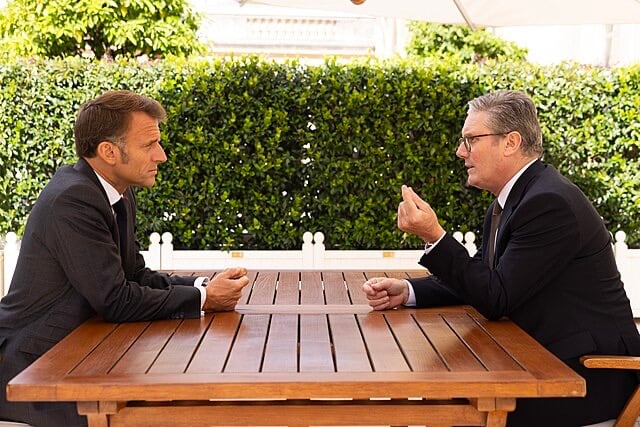
Britain has agreed to pay France up to £660 million in a new three-year deal aimed at stemming Channel crossings, taking the total amount handed to Paris by British taxpayers since the small boats crisis began to more than £1.3 billion.
Home Secretary Shabana Mahmood will travel to Paris on Thursday to formally sign the agreement, which Labour has described as a landmark in the two countries’ joint efforts to tackle people smuggling. The package consists of a guaranteed £500 million core payment over three years, with a further £160 million available on top — though the additional £53 million per year will only be released beyond the first year if French authorities can demonstrate tangible progress.
The deal will fund a significant expansion of France’s counter-migration operations. The number of French police officers, intelligence staff and military reservists deployed on patrol duties will rise by around 40 per cent, from roughly 750 to 1,100 personnel. British money will also pay for a new specialist interception vessel, 20 additional maritime officers, two surveillance helicopters, extra drones, a new camera network and a 50-strong riot unit trained specifically in dispersing large crowds at the beaches. A trafficking intelligence unit will be expanded to a team of 30.
One of the more notable details to emerge from the announcement is that France’s recently introduced tactic of stopping dinghies already on the water will only apply to boats carrying fewer than 20 people. French authorities insisted on the cap over concerns that boarding more crowded vessels could endanger lives. The at-sea interception approach has been deployed only a handful of times since a smuggler’s vessel was stopped for the first time in January.
The Government has not disclosed the specific benchmarks that will determine whether France qualifies for the performance-related portion of the funding. Sir Keir Starmer said the agreement would allow the two nations to deepen intelligence sharing and increase physical presence on the ground, while Mahmood said it would prevent “illegal migrants making the perilous journey and put people smugglers behind bars.”
Critics are unconvinced. Shadow Home Secretary Chris Philp said the core £500 million came with “no conditions at all” and pointed out that France had prevented only around a third of attempted embarkations last year, with those turned back at the shore simply released to try again. “France shouldn’t get a single penny unless they stop the vast majority of the boats,” he said.
The new deal supersedes a previous £500 million agreement struck under Rishi Sunak in 2023 — a period during which more than 84,000 migrants crossed the Channel regardless. The Home Office said joint operations since the 2024 election had blocked over 42,000 crossing attempts, though the figure refers to individuals turned away from the water’s edge rather than permanently prevented from making the journey.
