


Sir Keir Starmer’s leadership crisis has deepened dramatically after the first government minister resigned her post and publicly called on the Prime Minister to set a timetable for his departure — telling him directly that neither the public nor she herself believed he was capable of delivering the change the country needed.
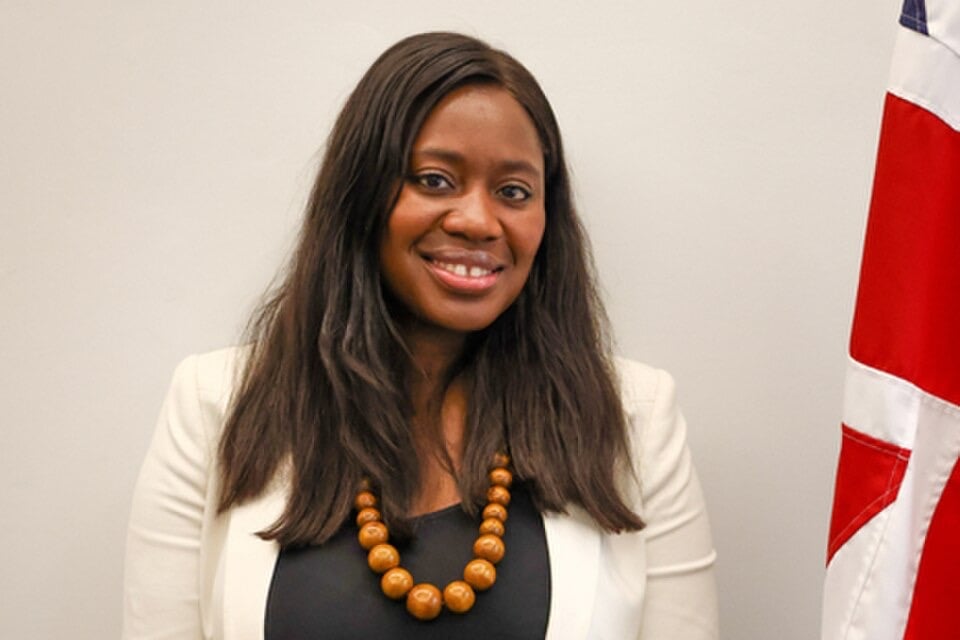
Miatta Fahnbulleh, the Parliamentary Under-Secretary of State for Devolution, Faith and Communities and MP for Peckham, posted her resignation letter on social media on Tuesday morning, becoming the first government minister to formally quit since Labour’s catastrophic local election results last week. Although a junior minister rather than a cabinet member, her departure carries significant weight — not least because of her close association with Energy Secretary Ed Miliband, who has himself been reported to have privately urged Starmer to consider his position.
In her letter, Fahnbulleh was candid about the government’s failings. “We have not acted with the vision, pace and ambition that our mandate for change demands of us,” she wrote. “Nor have we governed as a Labour Party clear about our values and strong in our convictions.” She cited specific policy missteps, saying “mistakes such as the winter fuel payment and cuts to the support provided to disabled people have left too many of my constituents doubting our mission.” Her conclusion was stark: “The public does not believe that you can lead this change — and nor do I. Therefore I urge you to do the right thing for the country and the Party and set a timetable for an orderly transition so that a new team can deliver the change we promised the country.”
Starmer, who has promised to “get on with governing” at a crucial cabinet meeting on Tuesday, has so far refused to budge, insisting he will not walk away from his responsibilities. He told reporters at the weekend that he wanted a decade in power — a claim that has since been widely cited by critics as evidence of how disconnected he has become from the scale of the crisis engulfing his premiership.
The pressure is now escalating rapidly. Some 79 Labour MPs have signed letters urging the Prime Minister to set out a departure timetable, with that number having risen steadily since the election results began coming in last Thursday. Home Secretary Shabana Mahmood is among the senior cabinet ministers reported to have privately told Starmer his position is untenable, according to Sky News and The Times. Several other cabinet figures have reportedly made similar representations behind closed doors.
Fahnbulleh had previously been identified as a potential future Labour leader and was considered a close political ally of Ed Miliband, under whom she had previously worked as an aide. Her decision to go public with her resignation rather than lobby privately makes it considerably harder for Number 10 to contain the fallout.
The local election results that triggered the crisis were devastating. Reform UK seized control of Essex County Council, ending 29 years of Conservative rule, and made sweeping gains across England. Labour lost ground on multiple fronts — to Reform in its traditional heartlands, and to the Greens in urban areas — and suffered significant losses in Wales and Scotland.
With more MPs expected to add their names to resignation demands throughout Tuesday, the question for Starmer is no longer whether the pressure will intensify but how long his position can hold.
