



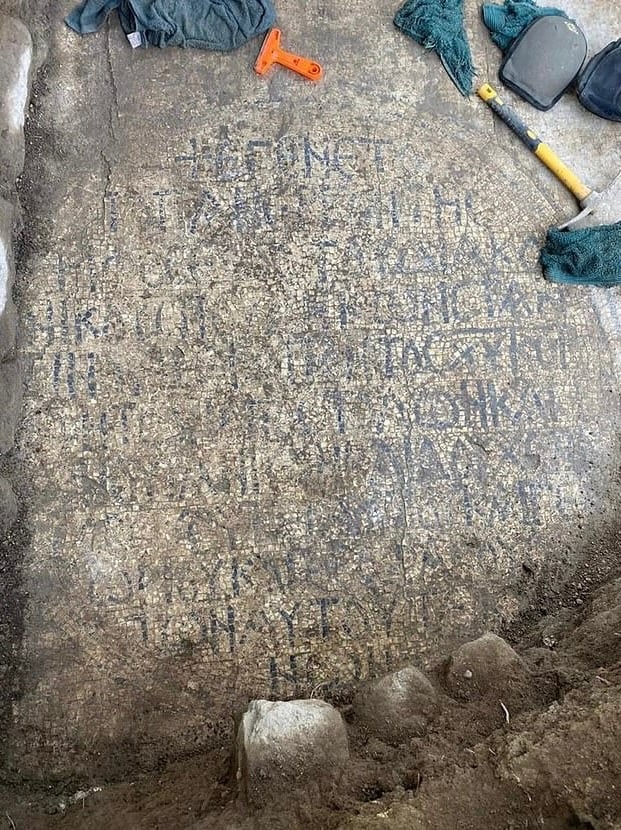
Archaeologists believe they have solved one of biblical history’s most enduring mysteries, announcing that a site on the northeastern shore of the Sea of Galilee is almost certainly the lost town of Bethsaida — where the Gospels record Jesus healing a blind man and where several of his closest disciples were born.
Excavation director Steven Notley told an audience in Washington DC on 5 May that the accumulated evidence from years of digging at El-Araj has “essentially confirmed” its identity as the ancient settlement, ending decades of uncertainty that has divided archaeologists and biblical scholars alike.
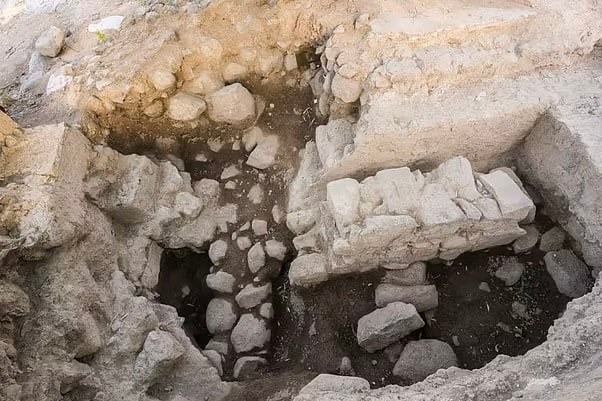
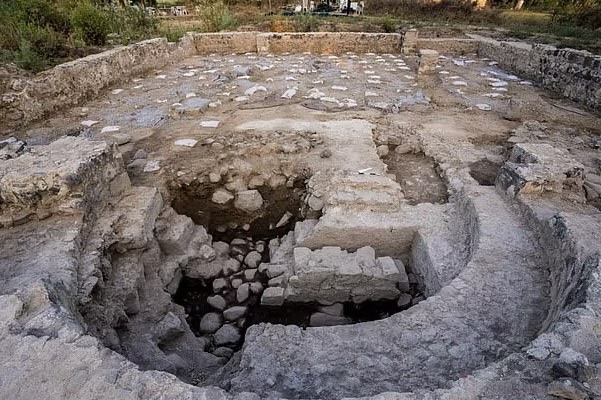
The case rests on a remarkable series of discoveries. Beneath the foundations of a Byzantine basilica — itself believed to be the long-lost Church of the Apostles — excavators uncovered the remains of a first-century house whose position directly beneath the church’s apse matches an eighth-century account by bishop Willibald, who described visiting Bethsaida during a pilgrimage in 725 AD and finding a church built over the home of Peter and Andrew. “We have a first-century house wall under the apse,” Notley told EWTN News. “It doesn’t have a plaque on it that says ‘Peter slept here,’ but from a perspective of archaeology, it doesn’t get much better than that.”
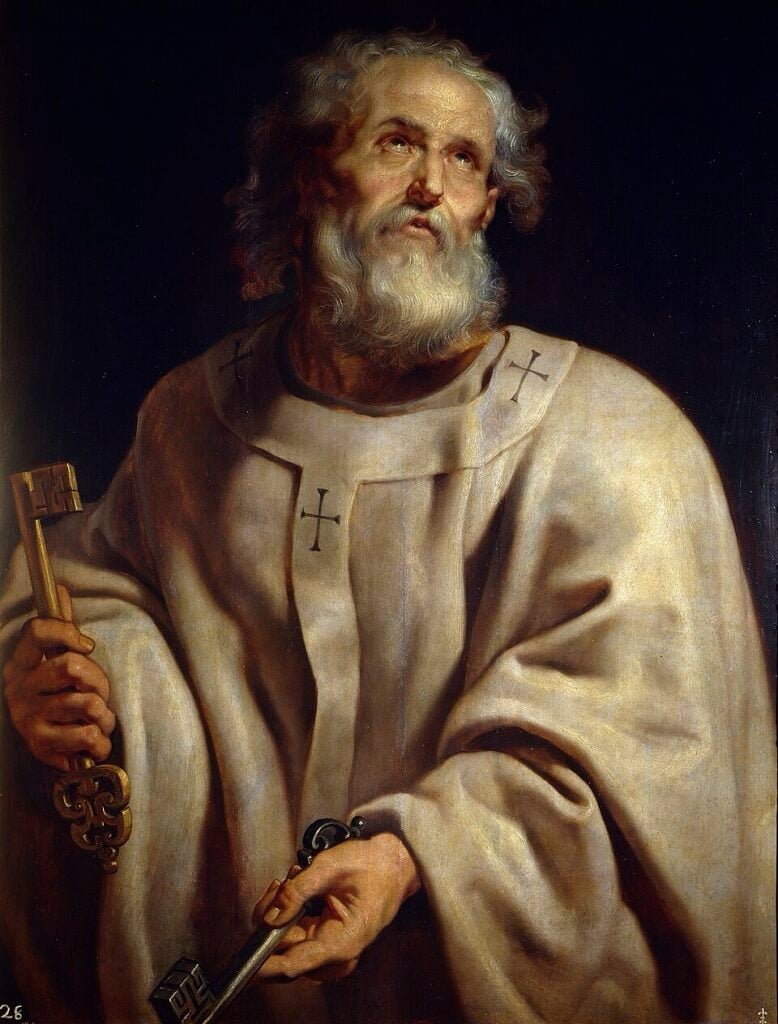
Further strengthening the identification, a mosaic inscription uncovered in 2021 referred to St Peter as the “chief of the apostles and keeper of the keys of heaven” — suggesting the basilica was specifically dedicated to the disciple the Gospels describe as a fisherman from Bethsaida who became the foundational figure of the early Christian church. Ancient fishing weights recovered at the site are consistent with a thriving first-century fishing settlement of exactly the kind described in historical accounts.
Excavations at El-Araj began in 2016, with the site chosen for its location along what was once the ancient shoreline and early indications that it had been a significant first-century settlement. The project gained momentum rapidly: Roman-era remains and the ruins of the large Byzantine basilica emerged in 2017 and 2018, and researchers believe the church was destroyed in an earthquake in 749 AD before being buried beneath centuries of sediment and vegetation.
An unexpected breakthrough came in 2025 when a wildfire swept through the area, burning away dense undergrowth and exposing walls, structural mounds and fragments of Roman-era pottery that had lain hidden for centuries. The blaze also revealed evidence of a Roman bathhouse, further suggesting a well-established settlement during the period of Jesus’s ministry. First-century historian Flavius Josephus, who documented towns around the Sea of Galilee during the Roman period, recorded settlements consistent with what excavators have found at El-Araj.
Bethsaida occupies a prominent place in the New Testament. The Gospels record Jesus healing a blind man there — described in the Gospel of Mark as a restoration of sight carried out in stages after Jesus led the man outside the village — and the town sits near the site traditionally associated with the feeding of thousands with loaves and fish. The village is also said to have been home to the disciples Peter, Andrew and Philip, making it one of the most significant locations in early Christian history.
In the Gospels, Jesus later rebuked Bethsaida for witnessing his miracles yet failing to repent — a condemnation that only underscores how central the town was to his ministry. After years of competing theories over the site’s true location, researchers now say the combined weight of discoveries at El-Araj may have finally closed the debate.
