



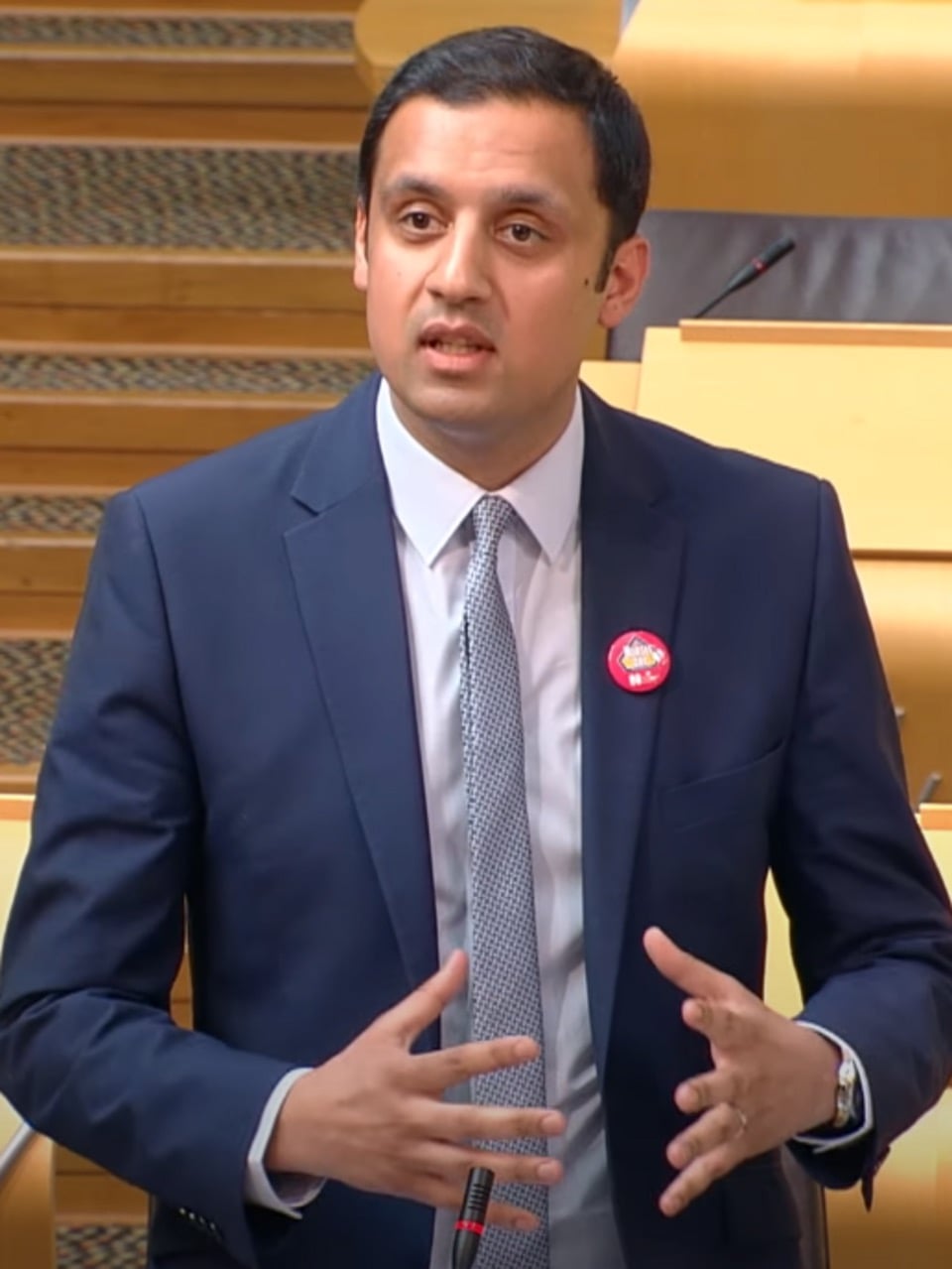
Scottish Labour has descended into open civil war following its worst ever Holyrood election result, with an MP becoming the first parliamentarian to publicly demand Anas Sarwar’s resignation as the party grapples with being reduced to just 17 MSPs.
Alloa and Grangemouth MP Brian Leishman broke cover on BBC Radio Scotland, calling on both Sarwar and his deputy Jackie Baillie to “absolutely” stand down and warning that the party faced “electoral oblivion” unless it returned to its radical roots. “If Scottish Labour don’t get back to our radical values and actually offering something different for the Scots that need it, then we are facing electoral oblivion,” he said. He also took direct aim at the leadership’s attempt to attribute the collapse in support to a broader national mood against Sir Keir Starmer. “Anas and Jackie can’t take the credit for going from two Scottish Labour MPs to 37 at the general election but then look at us being reduced to 17 MSPs and not hold up their hands and be accountable and responsible for that.”
Leishman’s intervention was accompanied by a chorus of criticism from multiple Scottish Labour MPs who joined colleagues in England and Wales in calling for Sir Keir himself to step down. Starmer has insisted he will not quit, saying he had spoken with Sarwar at the weekend but declining to reveal the contents of the conversation.
Sarwar has accepted “a share of responsibility” for the result while maintaining that a “national wave” against Labour across the UK was the primary driver of the losses. That explanation has found little sympathy among critics. Former Labour MSP Neil Findlay said bluntly: “Sarwar and Baillie were bound at the hip with Starmer until the disaster was staring them in the face. They had complete control of the party, a record budget and picked their favoured candidates — own it.”
Labour peer Lord George Foulkes offered a more measured verdict in the Daily Mail, arguing that Sarwar’s resignation was “not the solution” and that his campaign performances had been strong. He pointed instead to an insufficiently bold manifesto and criticised the decision to attack Starmer during the campaign. “That implied this election was about what was happening at Westminster, instead of replacing the SNP, and he shouldn’t have done that,” Foulkes said. “What he needs to do is learn from his mistakes.”
Sarwar himself acknowledged the scale of the reckoning ahead, writing in the Daily Record: “Over the days, weeks and months ahead, the Labour Party in Scotland and across the UK will have to reflect seriously on this result. We have to listen. We have to learn the lessons. We have to understand not just where we fell short, but why.”
The recriminations are compounded by the fact that Sarwar had earlier this year demanded Sir Keir’s resignation over the Peter Mandelson scandal — a move Lord Foulkes now identifies as a strategic error that muddied the Scottish campaign’s message.
The upheaval within the party has also opened a debate about Scottish independence. Labour MSP Paul Sweeney told the BBC that an “agreed approach” was needed on what would trigger a further referendum, suggesting the issue needed to be resolved through a constitutional convention. The proposal was swiftly rejected by Scottish Conservative deputy leader Rachael Hamilton, who said: “When will Labour learn to stop pandering to the SNP’s incessant efforts to break up the UK?”
