



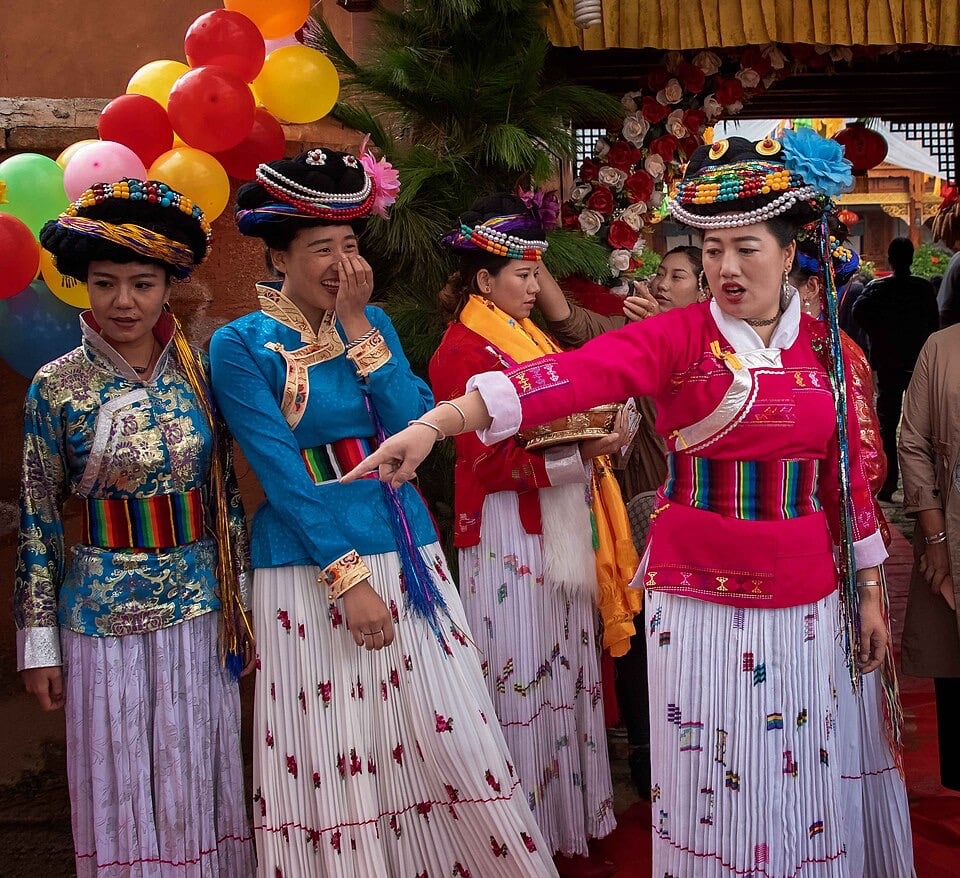
Deep in a remote valley at the foothills of the Himalayas, straddling China’s Yunnan and Sichuan provinces, lives a tribe of 40,000 people who have built a society in which men play almost no role in raising children — and women hold complete control over family life, finances and inheritance.
The Mosuo people, long dubbed the “Kingdom of Women,” are one of the few remaining matrilineal societies on earth. Women head every household, control all assets and decide how resources are distributed. Men, by contrast, hold no formal role in the family structure and bear no responsibility for the children they father. The nearest major Chinese city is a six-hour drive away along mountain dirt tracks, a remoteness that has helped preserve a way of life that stretches back at least as far as the early centuries AD.
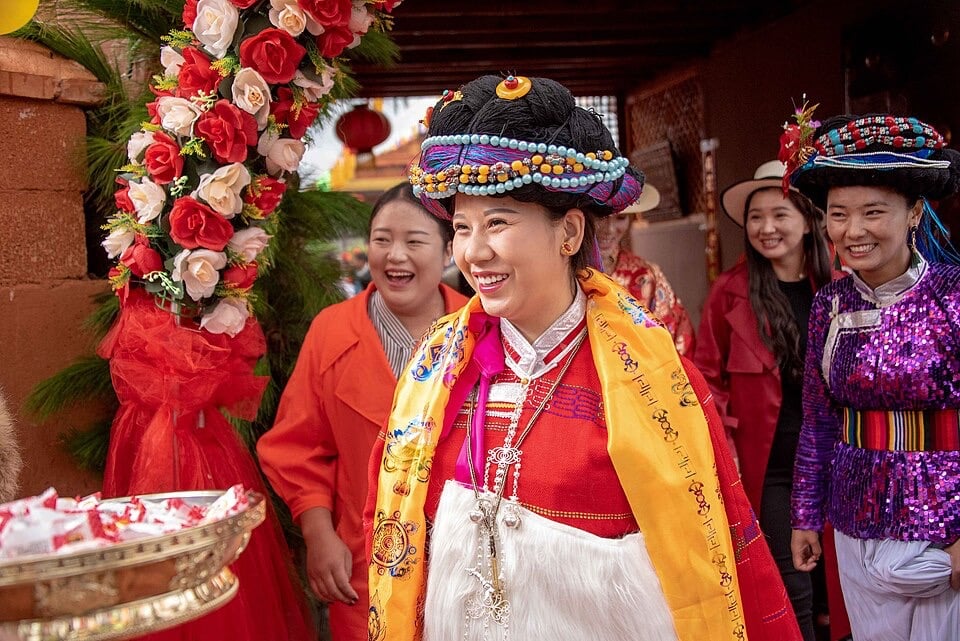
Dr Jose Yong of James Cook University in Singapore, who has studied the Mosuo extensively, said: “Men are usually more dispensable in such a society. In matrilineal society men tend to be not so essential, not so important.” He added that men “rely on the female household to get the things that they need — the women control all the resources, the men don’t really get to decide how or when to use it.”
At the heart of Mosuo culture is a tradition known as “walking marriages.” Rather than forming permanent partnerships, men visit the homes of women for sexual encounters — often arranged through a Jiacuo, a communal dance in which potential partners join hands before the woman discreetly reveals her address. The man arrives under cover of night and leaves before morning. Children born from these arrangements are raised entirely by the women of the household, typically alongside their grandmother and other female relatives, with three or four generations living together under one roof.
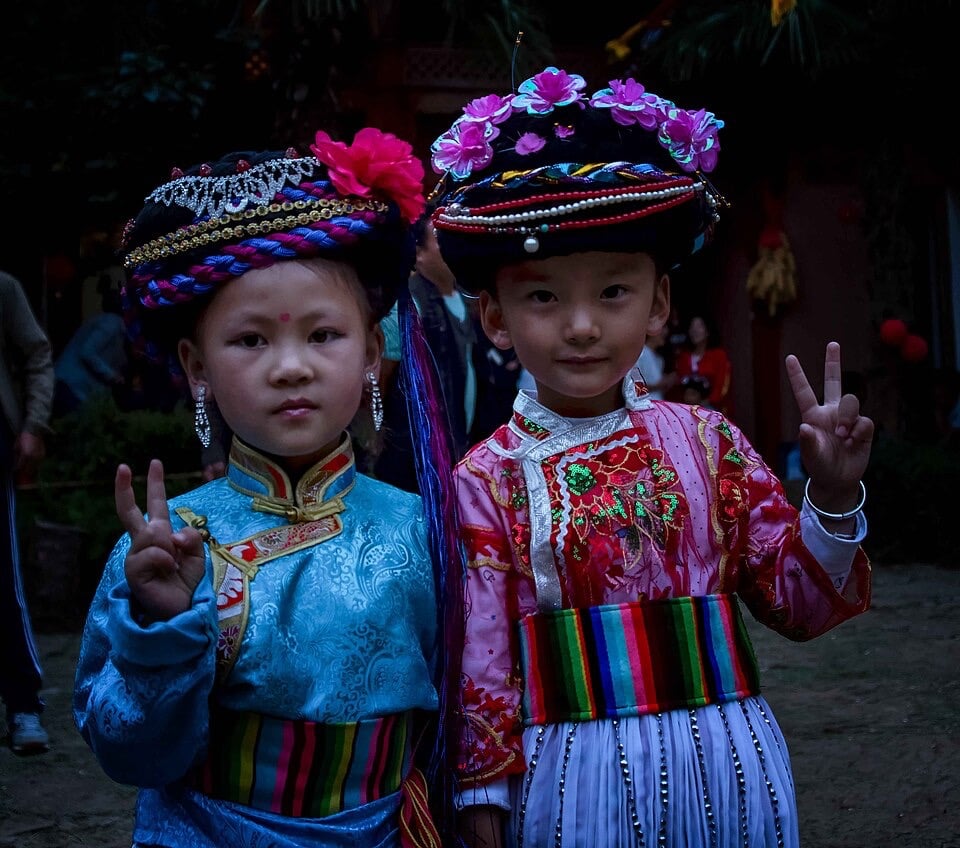
Mosuo children do not know their biological fathers, and according to Dr Yong, there is “no stigma attached to not knowing who your father is.” Men instead help raise their sisters’ children — relatives they can be certain they share blood with. “If men do take care of the children in the household, that’s a plus,” Dr Yong said.
The system, he explains, is in part a practical response to what the Mosuo view as the inherent unreliability of men. A man may father a child and disappear, or redirect resources to another woman. Walking marriages compound this by making paternity uncertain. The Mosuo solution is to remove men from the equation of child-rearing entirely. “Women are the bedrock of this society,” Dr Yong said. “You can afford to lose a few men and it’s okay.”
Because women do not depend on men for financial security or protection, they choose partners purely on the basis of attraction and compatibility. When the connection fades, the arrangement simply ends. Surveys among the Mosuo found strikingly low levels of sexual jealousy, with many saying the tradition keeps relationships feeling fresh. “You’re not coming together out of responsibility,” Dr Yong explained. “You are coming together because you want to be together.”
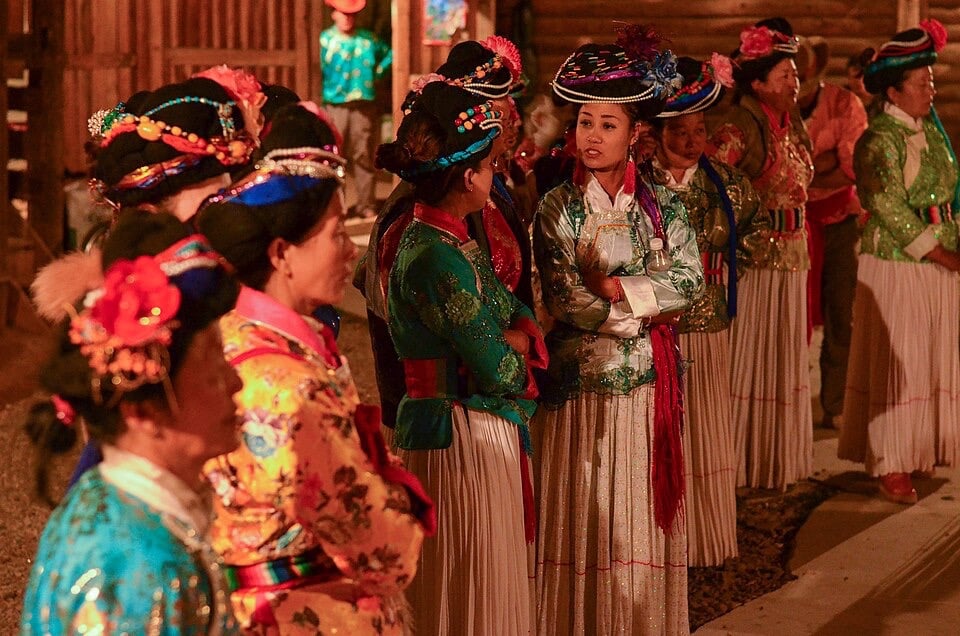
The society is also notably peaceful. Domestic violence is markedly low compared to most cultures, and the shared responsibility of large female households is said to ease the burden on individual mothers. Some in mainland China have criticised the Mosuo way of life, but members of the tribe argue the communal structure provides a level of support that nuclear families cannot match.
The origins of the Mosuo matriarchy remain uncertain. Geneticists believe the transformation occurred somewhere between the first and eighth century AD, possibly as men were frequently absent — hunting, fighting or performing dangerous labour — leaving women to consolidate authority at home. Another theory suggests that scarce resources reduced male competition for status, diminishing the leverage men typically use to attract partners in other societies.
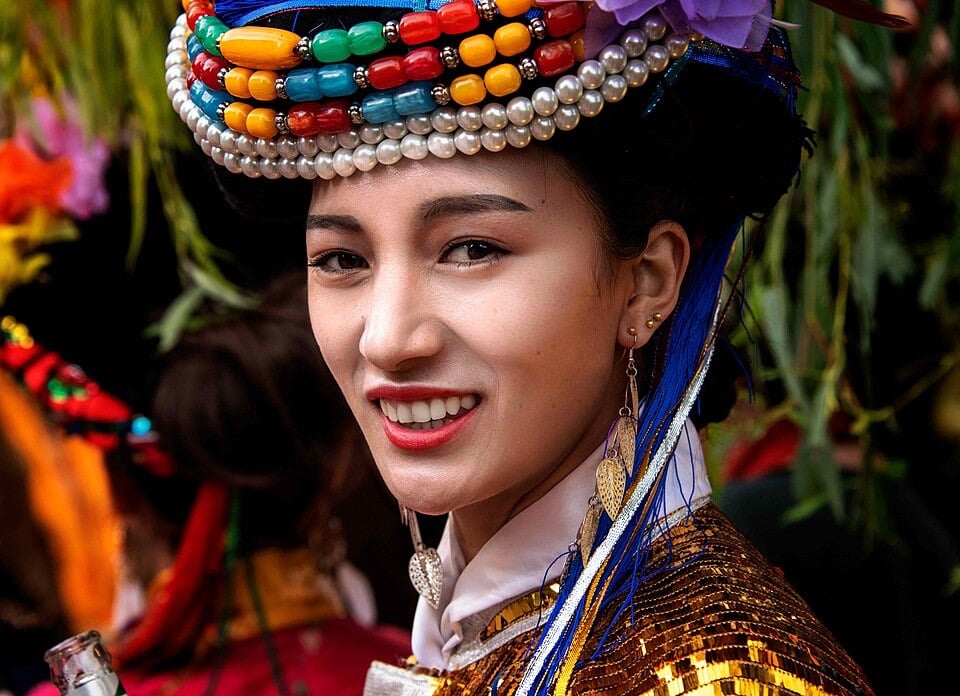
That way of life is now under pressure. Growing contact with tourists and outside influences has split the community roughly in half between those following traditional customs and those pursuing monogamy, tourism work and modern careers. Some younger Mosuo women no longer wish to have children in their teens, preferring instead to travel or build careers. Others remain committed to preserving the walking marriage tradition.
Dr Yong noted that older members of the community tend to feel a stronger sense of responsibility for maintaining tradition. The tribe itself believes that the closer one lives to the tourist-facing shores of Lugu Lake, the further one has drifted from the true Mosuo way of life. Deeper inland, he says, traditional villages continue to flourish largely unchanged.
