




Extreme inflation and wage stagnation under President Javier Milei’s economic reforms have driven Argentine shoppers to embrace a protein source traditionally reserved for working animals, with donkey meat selling out in “record time” during initial commercial trials.
The pilot programme launched in Chubut province’s Punta Tombo area represents a stark departure for a nation synonymous with beef consumption, where cultural attachment to cattle has historically defined national identity and dietary habits.
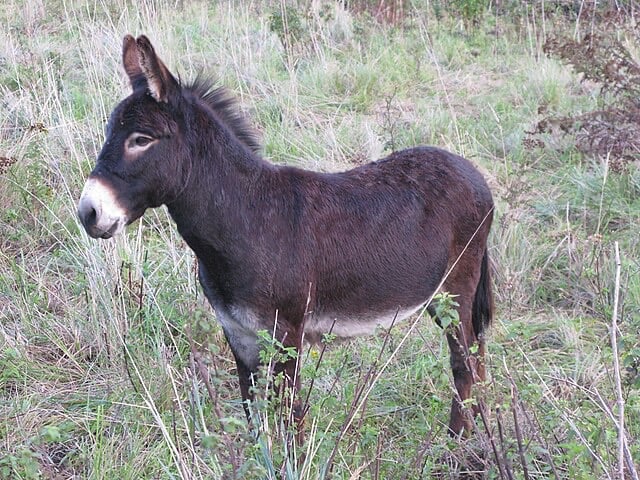
Price differentials have proved decisive in overcoming initial resistance, with donkey meat retailing at approximately 7,500 Argentine pesos per kilogram compared to low-end beef cuts commanding 17,500 pesos and premium offerings reaching 30,000 pesos—a gap that has rendered traditional preferences economically untenable for many households.
The city of Trelew witnessed rapid depletion of donkey meat supplies following April’s commercial introduction, demonstrating consumer willingness to abandon longstanding taboos when confronted with budgetary constraints imposed by the ongoing economic crisis.
Argentina’s beef consumption plummeted to a 110-year nadir in mid-2024 as citizens increasingly substituted poultry and pork for what had been a dietary staple, with donkey meat representing the latest adaptation to deteriorating purchasing power.
Milei’s administration has achieved fiscal surpluses through stringent austerity measures, though citizens widely report wages have failed to match escalating costs for food, accommodation and utilities, forcing profound adjustments to consumption patterns.
The government’s deregulation of the meat industry, including removal of a 50-year prohibition on live cattle exports, has prioritised international trade and dollar-denominated revenue streams over domestic affordability, according to economic analysts.
Critics argue the export-focused policy channels premium beef abroad whilst ordinary Argentines face severely constrained access to what was once an abundant and affordable protein source central to national cuisine.

Animal welfare organisations have condemned the commercialisation of donkey meat on ethical grounds, emphasising the species’ traditional role as working animals rather than livestock bred for consumption.
The cultural resistance reflects deeply embedded perceptions that distinguish between acceptable food animals and those serving alternative purposes within Argentine society, though economic realities appear to be eroding such distinctions.
The pilot programme’s rapid success suggests price sensitivity has eclipsed cultural preferences for significant segments of the population grappling with inflation’s erosion of living standards under Milei’s free-market economic agenda.
Whether donkey meat consumption expands beyond Chubut province will depend partly on regulatory frameworks, supply chain development and continued economic pressure that leaves consumers few alternatives within constrained household budgets.
