



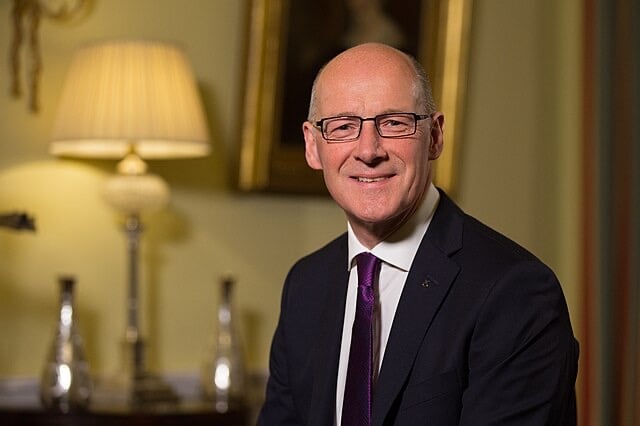
Scotland could hold a second independence referendum within two years if voters deliver an SNP majority at May’s Holyrood elections, First Minister John Swinney has declared, despite Westminster ministers flatly rejecting any prospect of another constitutional vote during Sir Keir Starmer’s premiership.
The SNP leader’s timeline emerged as polling guru Sir John Curtice warned that Scotland, Wales and Northern Ireland could all have nationalist governments by 8 May if current opinion polls prove accurate, with YouGov’s first MRP projection showing the SNP capturing 67 of 129 seats—representing a narrow but decisive majority.
Health Minister Wes Streeting dismissed any referendum prospects Sunday, telling LBC: “We’re not having one. This country has had enough of chaos,” echoing Sir Keir’s earlier statements that “nobody’s raising that with me as their first priority”—remarks the SNP condemned as “arrogant.”
However, Mr Swinney insisted during a televised Scottish election debate that voters deserve deciding their country’s constitutional future, pleading for an “emphatic mandate of an SNP majority so the future of our country can be taken into our own hands” to unblock what he characterised as a “constitutional logjam.”
Scottish Greens leader Ross Greer backed the First Minister’s position, declaring Scotland’s future must remain “in Scotland’s hands” despite the collapsed 2021 power-sharing agreement between the parties that then-First Minister Humza Yousaf terminated in 2024.
Opposition parties dismissed the referendum focus, with Labour leader Anas Sarwar insisting May’s elections are “not about independence” whilst Conservative leader Russell Findlay warned breaking from the UK would prove an “unmitigated disaster.”
Reform UK’s Scottish leader Malcolm Offord branded any second referendum “divisive” though notably refused ruling out another vote if support reached 60 per cent—a caveat distinguishing his party from outright opponents.
Any referendum requires Westminster approval before proceeding, creating constitutional barriers beyond Holyrood’s control despite SNP ambitions.
Sir John predicted the polls additionally point toward Plaid Cymru victory in Wales which—coupled with Sinn Fein holding Stormont power—would mean “nationalist first ministers in all three devolved jurisdictions” by early May.
“The SNP would say precedent suggests they have a mandate. We can probably anticipate the UK Government will say no,” Sir John stated, adding: “Swinney says he’s got something up his sleeve, but we don’t know what it is.”
The pollster’s analysis suggests Mr Swinney’s 2028 timeline depends upon achieving the SNP majority that preceded 2014’s referendum, with the party arguing electoral success provides sufficient democratic mandate forcing Westminster negotiations despite Prime Minister resistance.
