



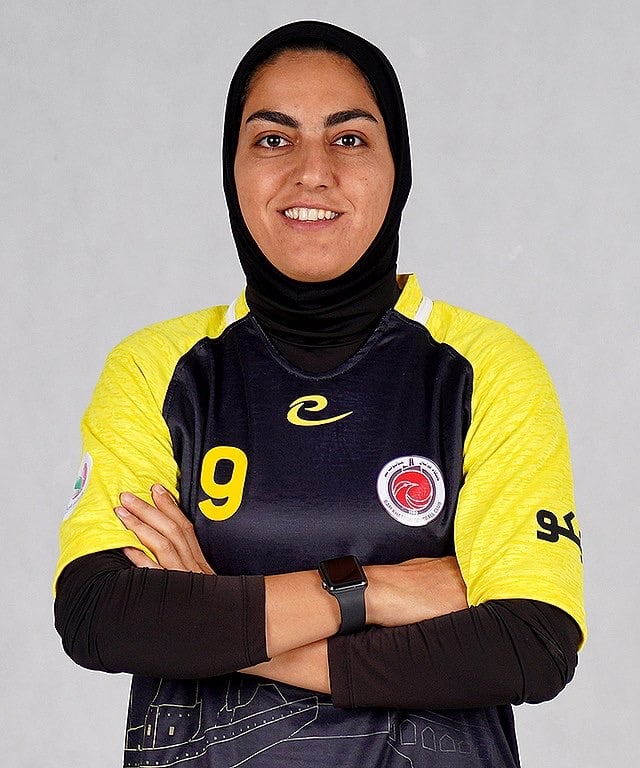
The Iranian government has broken promises of immunity by seizing all assets belonging to women’s football captain Zahra Ghanbari following her controversial return from Australia, where she had been offered humanitarian protection after defying the Islamic Republic alongside her teammates.
The 22-cap international now faces financial ruin with bank accounts drained and movable and immovable property confiscated after authorities named her amongst 400 individuals designated “supporters of the enemy” in a weekend announcement primarily targeting media figures accused of backing foreign attacks.
The punitive measures directly contradict state media narratives that celebrated Ghanbari’s homecoming as patriotic whilst government officials assured no reprisals would follow her return from Australian asylum offered following the team’s silent protest at the Asia Cup in late February.
State-run outlet IRNA had characterised her decision as “returning to the embrace of the homeland,” with Mehr news agency praising it as a “patriotic decision” when she abandoned her humanitarian visa days after initially accepting Australian protection alongside six teammates.
The reversal reportedly stemmed from threats directed at players’ families in Iran, forcing Ghanbari and others to choose between their own safety abroad and their relatives’ wellbeing at home despite international warnings about the dangers of returning.
Iran’s women’s football squad had defied the regime by refusing to sing the national anthem before their 2 March match against South Korea during the Asia Cup—a silent act of protest that saw them branded “wartime traitors” by Iranian media.
One player received a chilling voice note from her mother stating: “Don’t come [back to Iran]… they’ll kill you,” whilst another family message smuggled to the squad read: “You need to stay.”
The Australian government subsequently extended asylum offers fearing the players faced danger if returned, with international leaders including Donald Trump warning the team “will most likely be killed” if allowed returning to Iran.
Seven players initially accepted humanitarian visas before abandoning them within days, with four additional teammates also returning to Iran beyond Ghanbari, leaving just two players remaining in Australia.
Other prominent figures likely facing similar asset seizure treatment include actor Hamid Farokhnezhad, singers Ashkan Khatibi and Mazyar Fallahi, and television presenter Parastoo Salehi.
The asset confiscation represents a worrying pattern of Iranian authorities using family threats to compel diaspora figures returning home despite international asylum offers, only to face punishment once beyond protective reach of host nations.
The regime’s actions demonstrate the Islamic Republic’s willingness to break public promises whilst using state media to frame politically motivated returns as voluntary patriotic acts before implementing punitive measures against those who initially sought refuge abroad.
