



Keir Starmer’s controversial proposals aligning Britain with future single market regulations without standard parliamentary oversight have drawn accusations of transforming the nation into a Brussels “rule-taker,” with Hungary’s newly-elected prime minister urging UK re-entry to the European Union as the Labour government intensifies efforts unwinding Brexit.
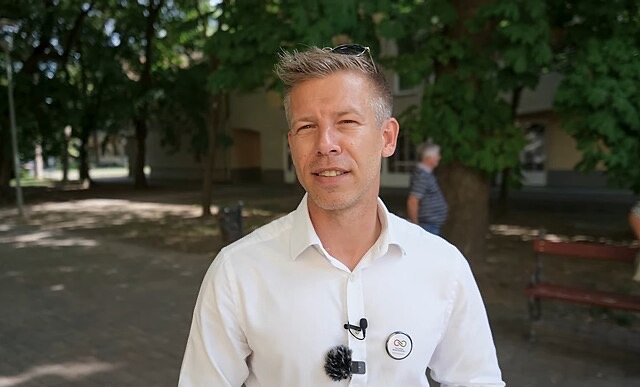
Péter Magyar—who delivered a stunning overnight defeat to Viktor Orban despite enthusiastic Donald Trump backing—told a Budapest press conference today he “hoped” Britain would rejoin the bloc, referencing his Brussels diplomatic tenure when discussing policy influence possibilities.
“The Brits were also part of the EU; let’s hope that they rejoin,” Mr Magyar stated, with EU figures delighted by Orban’s removal given Hungary’s status as the most Russian-friendly member state blocking efforts supporting Ukraine’s resistance against Vladimir Putin’s invasion.
The comments arrived as Sir Keir again cited the Middle East crisis justifying closer Brussels alignment, telling MPs that managing fallout from Mr Trump’s Iran war necessitates “a closer economic relationship with our European allies because Brexit did deep damage to the economy.”
“The opportunities we now have to strengthen our security and cut the cost of living are simply too big to ignore,” the Prime Minister added whilst defending government legislation enabling future single market regulatory alignment bypassing normal parliamentary scrutiny.
Brexiteers condemned the proposals as surrendering sovereignty, though Sir Keir insisted via BBC Radio 5 Live that strengthened European relationships serve “the UK’s best interest” given global volatility.
“We’re in a world where there’s massive conflict, great uncertainty, and I strongly believe that the UK’s best interests are in a stronger, closer relationship with Europe, whether that’s defence and security, energy, inevitably, and also, our economy,” the Prime Minister stated.
He characterised the legislation as easing trade whilst reducing business “burdens” and lowering consumer prices, emphasising: “A stronger, closer relationship with Europe is in the UK’s best interest, particularly in a world that is as volatile as it is at the moment, and I know that worries a lot of people.”
The proposals would permit Britain adopting future EU single market regulations without requiring standard parliamentary approval processes that typically govern such significant policy shifts—a mechanism Brexiteers argue fundamentally undermines the 2016 referendum mandate for regulatory independence from Brussels.
Mr Magyar’s re-entry appeal underscores growing European optimism regarding potential UK-EU rapprochement under Labour leadership, with the Hungarian election result removing a significant obstacle to unified European responses on Ukraine whilst potentially emboldening those advocating deeper British integration with continental institutions.
