



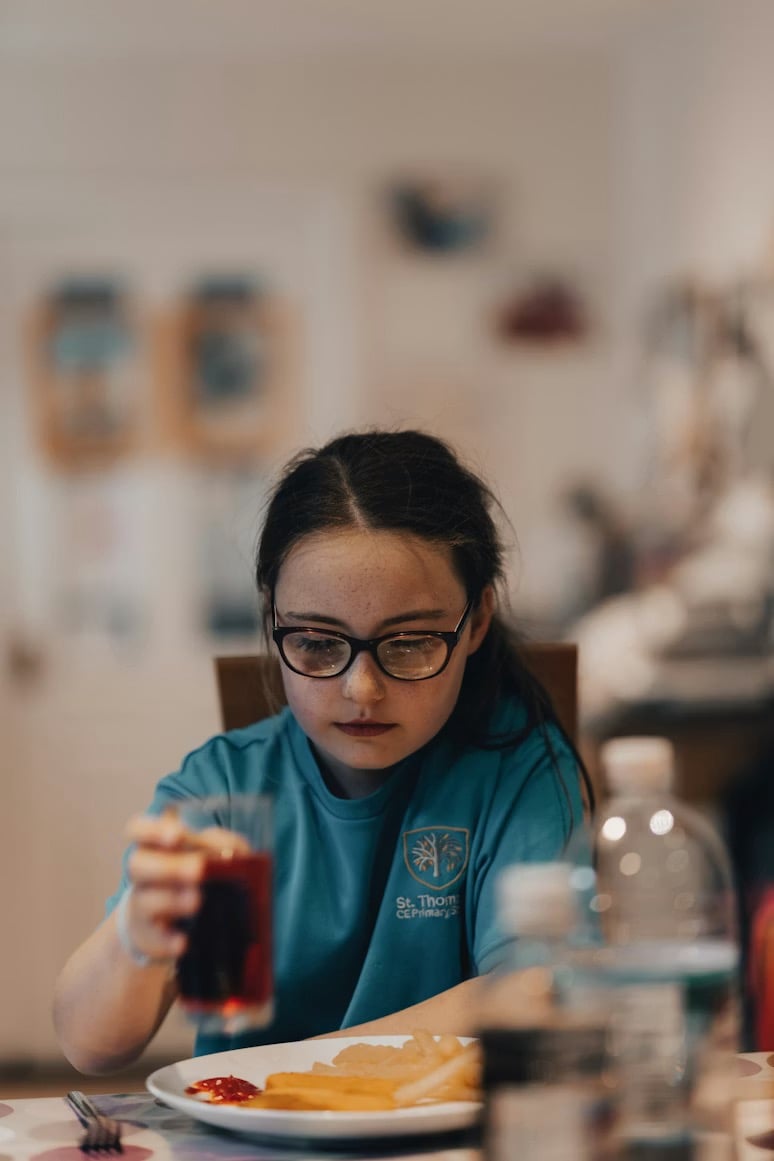
Deep-fried products will be eliminated from English school canteens under government proposals billed as the “most ambitious overhaul of school food in a generation,” though headteachers have warned additional funding will prove essential implementing the restrictions amid existing budget pressures.
Education Secretary Bridget Phillipson’s Department for Education plans—subject to nine-week consultation before September announcement and September 2027 implementation—will prohibit deep-fried options whilst limiting sweetened desserts to weekly servings as ministers attempt addressing childhood obesity and tooth decay crises.
The restrictions will prevent schools offering daily “grab and go” items like sausage rolls and pizza, with fruit replacing “sugar-laden treats” for most of the school week whilst menus require increased vegetables, wholegrains and mandatory online publication.
“Every child deserves to have delicious, nutritious food at school that gives them the energy to concentrate, learn and thrive,” Ms Phillipson stated, characterising the changes as necessary given over one-third of children leave primary school overweight or obese.
The DfE emphasised tooth decay from high-sugar diets causes most hospital admissions for five-to-nine-year-olds, with Early Education Minister Olivia Bailey promising to “reduce sugar, increase fibre, and get rid of some of the really unhealthy foods like deep-fat-fried food.”
However, the Association of School and College Leaders warned changes “must be implemented in a practical way” with additional funding addressing increased costs, noting a 2025 members’ survey suggesting real meal delivery expenses reach approximately £3.45—roughly 80p exceeding the £2.61 government allocation per free school meal.
Liberal Democrats’ education spokesperson Munira Wilson demanded ministers ensure “free school meals funding matches the rising costs,” citing constituency headteachers and governors concerned current allocations force “smaller portion sizes and poorer quality food.”
Prime Minister Sir Keir Starmer insisted schools could manage changes within existing budgets when questioned on Radio 5 Live, though Ms Bailey maintained “healthier food doesn’t have to be more expensive food for schools.”
Reform UK condemned the proposals as “yet another example of the government trying to micromanage people’s lives,” arguing: “Banning foods from school menus won’t solve childhood obesity. It just removes choice and adds pressure on already stretched schools.”
The Green Party welcomed removing unhealthy foods as “long overdue” whilst advocating free healthy meals for all pupils.
Secondary schools receive phased implementation allowing time developing recipes, updating menus and training staff, with “robust” enforcement systems monitoring compliance.
The proposals represent the first school food standards revision in a decade after pandemic-delayed earlier plans, building upon 2015 requirements including fruit and vegetable servings, drink sugar limits and wholegrain emphasis.
Over 500 new free breakfast clubs open this week with per-pupil funding increased from 60p to £1, whilst Universal Credit recipients gain free school meals eligibility from September 2026.
