



Relations between Ukraine and Hungary have deteriorated to their lowest point in years following a series of escalating confrontations involving a seized cash convoy, a blocked oil pipeline, a controversial visit to Moscow and a direct threat by President Volodymyr Zelensky against Hungarian Prime Minister Viktor Orbán.
The most recent flashpoint came in the early hours of Friday, when Ukraine’s foreign minister Andrii Sybiha accused Budapest of effectively taking seven Ukrainian citizens “hostage.” The individuals are employees of Oschadbank, one of Ukraine’s largest state-owned banks, and had been transiting between Austria and Ukraine in two bank vehicles carrying cash as part of a routine inter-bank service. According to Hungarian media outlet Telex, Hungary’s Counter-Terrorism Centre — an elite unit operating directly under the interior ministry — intercepted the vehicles at a petrol station on the M5 motorway last Thursday. Witnesses described men dressed in black being pulled from the cars and forced to the ground before the convoy was escorted to Budapest. The Hungarian government subsequently published video footage of the interception.
The seizure came against a backdrop of already deeply strained relations, worsened significantly by the shutdown of the Soviet-era Druzhba oil pipeline at the end of January following a Russian attack. The pipeline carries Russian oil to Hungary and Slovakia through Ukrainian territory. Budapest and Bratislava have argued there is no technical reason preventing the pipeline’s restart and have accused Kyiv of blocking the flow for political reasons. In response, Orbán has moved to block both the EU’s proposed €90 billion loan package for Ukraine and the bloc’s 20th sanctions package against Russia.
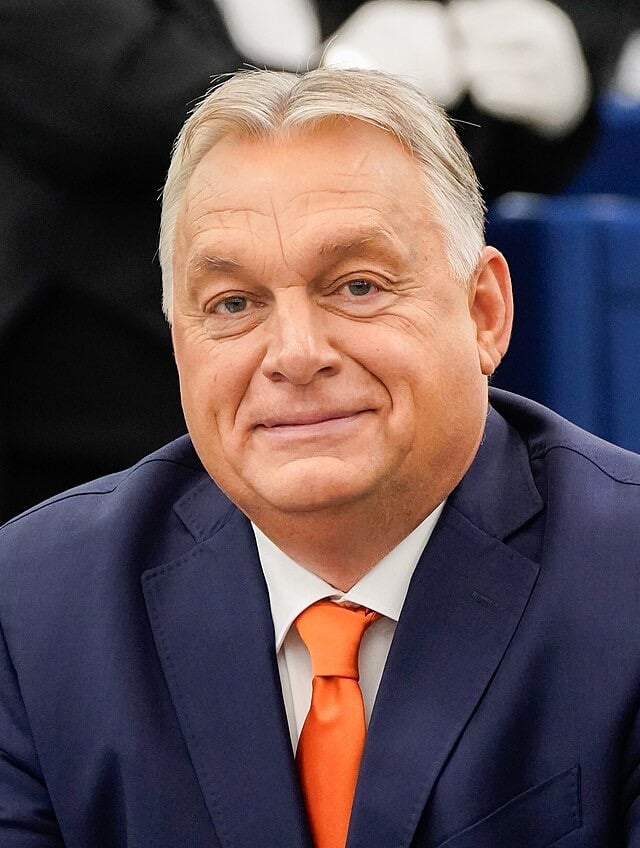
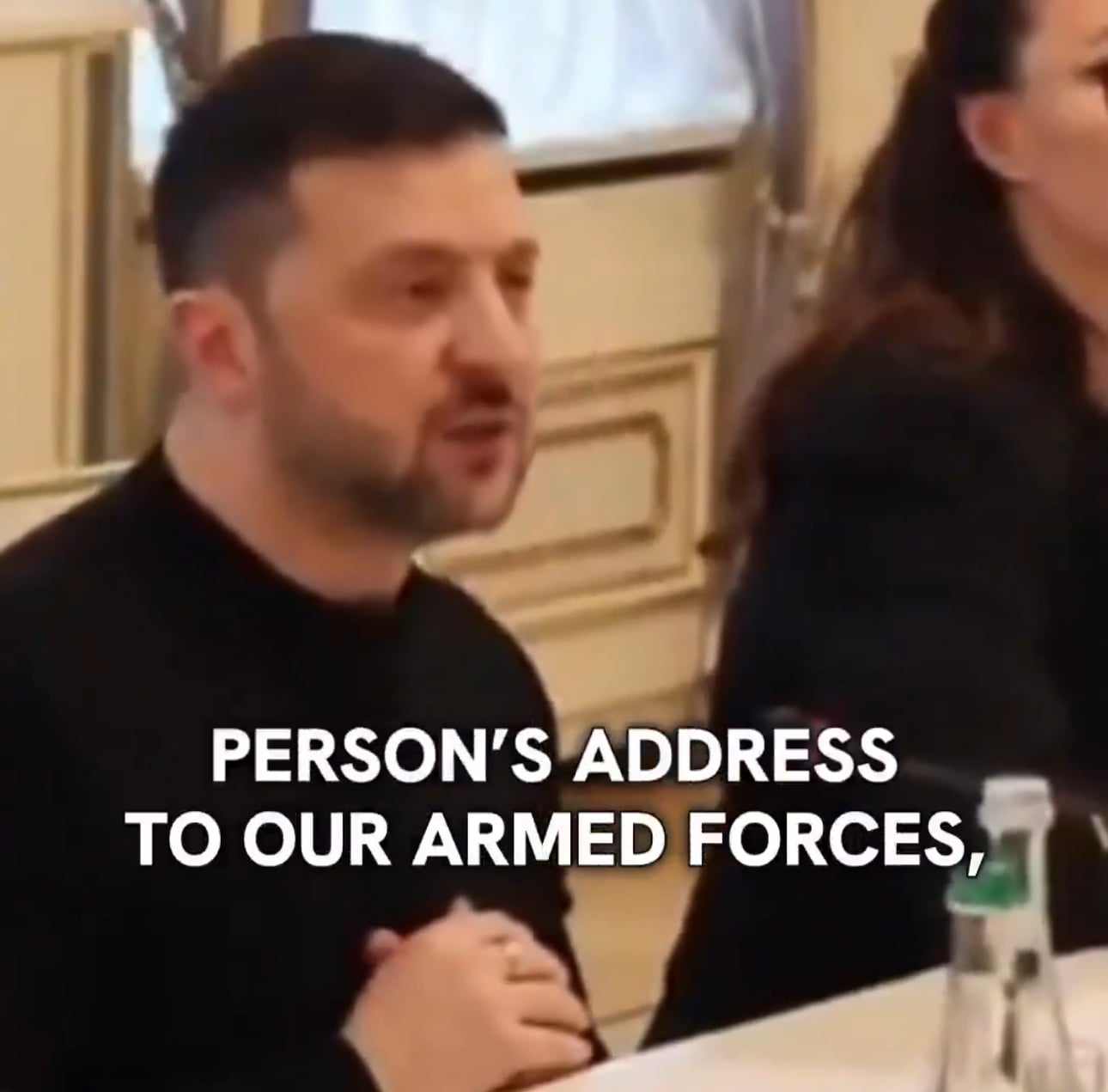
The dispute sharpened further last week when Zelensky issued a striking public threat directed at Orbán over the blocked EU funding. “We hope that a certain person will not block the €90bn in the EU, or its first tranche,” Zelensky said, adding: “Otherwise, we will pass this man’s address to the armed forces — let them call him and speak to him in their own language.”
The remark drew condemnation not only from Orbán’s government but also from Péter Magyar, leader of the opposition Tisza party and Orbán’s most prominent domestic challenger ahead of Hungary’s April elections. Speaking on a nationwide campaign tour in Szarvas, Magyar said “no foreign state leader may threaten anyone, no Hungarian,” and called on the EU to sever all relations with Ukraine until Zelensky issued a formal apology. He also invited Zelensky to share his own home address with the Ukrainian armed forces.
Orbán, speaking on Kossuth Radio on Friday, said Ukraine may have demands but he would not fulfil them. “We are in the way, they want to get rid of us,” he said, adding his belief that Zelensky was actively working to ensure Fidesz lost the elections scheduled for 12 April — an election analysts expect to be the most competitive of Orbán’s 16 years in power.
Tensions were further inflamed by the revelation that Hungarian foreign minister Péter Szijjártó had travelled to Moscow to meet Vladimir Putin last Tuesday, returning with two prisoners of war holding Ukrainian-Hungarian dual citizenship — a visit conducted without prior notification to Kyiv.
With elections weeks away and multiple disputes unresolved, the trajectory of Hungary-Ukraine relations is expected to remain a central issue in both Budapest and Brussels in the coming weeks.
