



A wave of high-profile defections from the Conservative Party to Reform UK has intensified in early 2026, raising questions about the future direction of Britain’s traditional party of the right.
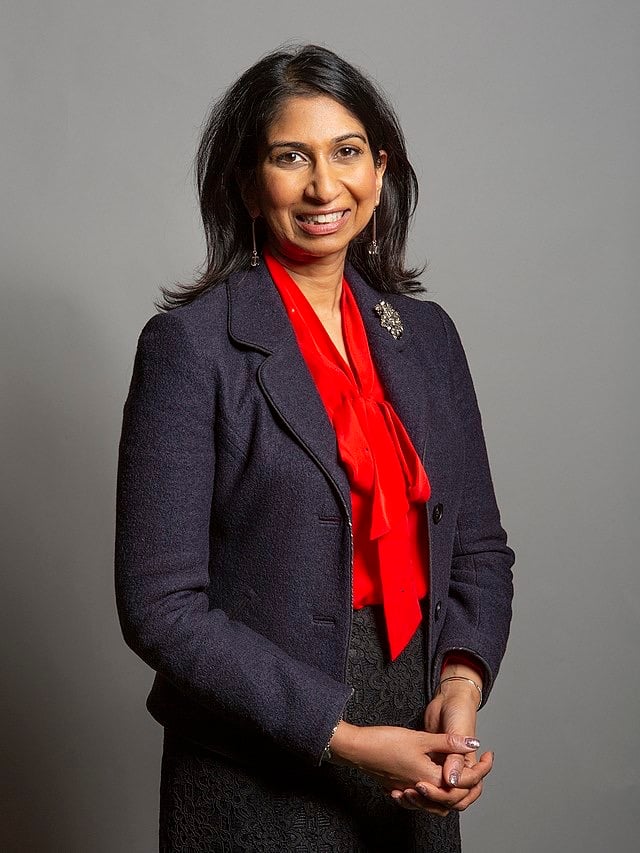
The most recent departure came on January 26, 2026, when Suella Braverman, the former Home Secretary and MP for Fareham, announced her defection at a Reform rally in London. Speaking at the event, Ms Braverman said she felt “like I’ve come home” after 30 years as a Conservative, and accused the Tories of “betrayal” on border control and what she described as lies about the European Convention on Human Rights.
Her move follows several other significant departures in recent weeks. Robert Jenrick, the former shadow justice secretary who once challenged for the party leadership, defected in mid-January 2026 after being sacked from the shadow cabinet by Conservative leader Kemi Badenoch. According to reports, Ms Badenoch dismissed Mr Jenrick on January 15, 2026, after evidence emerged of his defection plans. He has since cited what he called Conservative failures on migration and the economy as reasons for his departure.
Andrew Rosindell, the MP for Romford and shadow foreign minister, also joined Reform UK in January 2026. A long-standing Brexiteer, Mr Rosindell is reported to have been frustrated with the Conservative handling of the Chagos Islands sovereignty issue. Nadhim Zahawi, the former Cabinet minister, defected earlier in 2026, with his stated views on low taxation and business growth said to align with Reform’s economic positioning.
The defections have brought Reform UK’s parliamentary representation to eight MPs, according to analysts, though the Conservatives retain 116 seats in the House of Commons. Polling suggests Reform is leading ahead of the local elections scheduled for May 7, 2026, despite holding relatively few council seats.
Ms Badenoch, who became Conservative leader following her election in November 2024, has sought to steady the party. No immediate leadership challenge is reported to be underway, though Mr Jenrick’s departure—given his previous leadership rivalry—has reportedly fuelled internal concerns about further erosion on the right of the party.
Conservative spokespeople have dismissed Ms Braverman’s defection as inevitable, with one describing it as the party’s “spring cleaning” and suggesting she had prioritised personal ambition over service. Senior figures reportedly anticipated her move following her exclusion from Ms Badenoch’s shadow team, and pointed to her previous unsuccessful leadership bids—finishing sixth in 2022 and failing to reach the ballot in 2024.
Nigel Farage, the Reform UK leader, welcomed Ms Braverman at the London rally and framed her arrival as a step toward unifying the centre-right. He set aside past criticism, having previously described her immigration record as “utterly useless,” which he attributed to constraints imposed by the ECHR.
Opposition parties have been critical of the defections. Labour’s Anna Turley described Ms Braverman as a “failed Tory” and accused Mr Farage of poor judgment in accepting what she called Conservative rejects. The Liberal Democrats echoed this sentiment, portraying Reform UK as a destination for Tory discards.
The Conservatives have responded to the political pressure by unveiling a fiscal plan proposing £47 billion in savings, intended to fund tax cuts and deficit reduction while positioning the party against both Labour and Reform. Some analysts have warned that continued defections to Reform could push the Conservatives leftward internally, potentially affecting the party’s electability. Polls and focus groups show mixed public support for the party, though some have reportedly warmed to Ms Badenoch’s performances at Prime Minister’s Questions.
The coming months, and the May local elections in particular, are expected to provide a clearer indication of where both parties stand with voters.
