



American and Iranian envoys are expected to meet in Istanbul on Friday for the first direct negotiations since military strikes devastated Tehran’s nuclear facilities last summer, as US warships steam towards the Gulf.
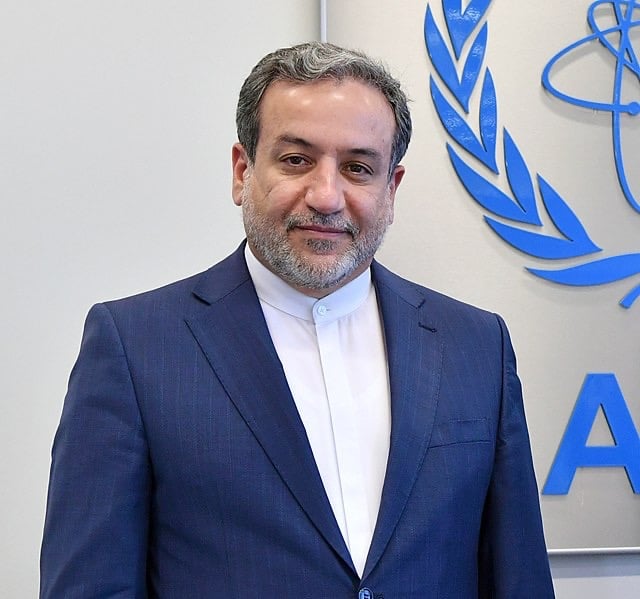
Steve Witkoff, Donald Trump’s special envoy, and Abbas Araghchi, Iran’s foreign minister, will be joined by representatives from Qatar, Saudi Arabia, the United Arab Emirates and Egypt at the Turkish city talks, according to US administration officials cited by Axios.
The discussions come as Trump has deployed what he described as a “massive armada” including the aircraft carrier USS Abraham Lincoln, guided missile destroyers and dozens of warplanes capable of striking Iranian leadership, military installations or nuclear sites.
Iranian President Masoud Pezeshkian has ordered the commencement of nuclear negotiations with Washington, according to Iran’s semi-official Fars news agency. A foreign ministry spokesperson stated “several points have been addressed and we are examining and finalising the details of each stage in the diplomatic process, which we hope to conclude in the coming days.”
Trump told reporters at the White House on Monday that talks were progressing, stating Iranians were “seriously talking to us”. He added: “We have ships heading to Iran right now, big ones – the biggest and the best – and we have talks going on with Iran and we’ll see how it all works out… if we can work something out, that would be great and if we can’t, probably bad things would happen.”
The scheduled meeting represents the first encounter between US and Iranian officials since April, shortly before Israel and subsequently the US struck Iranian nuclear and ballistic missile facilities during a 12-day conflict in June. Iran responded by firing hundreds of ballistic missiles at Israeli cities and towns, many intercepted by defence systems.
New satellite imagery published last week revealed Iran has constructed replacement roofs over damaged structures at the Isfahan and Natanz nuclear complexes following the June strikes.
Trump has indicated he seeks an agreement halting Iran’s production of highly enriched uranium suitable for weapons development and dismantling its ballistic missile programme. The President has also suggested pursuing regime change, raising concerns that efforts to remove Supreme Leader Ayatollah Ali Khamenei could trigger regional war.
The military buildup follows Iran’s brutal suppression of protests that erupted in December over currency devaluation and inflation. The Iranian government claims 3,117 people, including security personnel, died during the unrest. Activists contend the death toll exceeds 30,000.
Reuters reported Monday that Tehran is “increasingly worried” a limited US strike could reignite demonstrations and potentially spark revolution, citing six current and former Iranian officials who stated protesters were increasingly prepared to confront security forces.
Saudi and Israeli officials convened at the Pentagon last week to discuss potential US military action and concerns about Iranian retaliation escalating regional conflict. Tehran has threatened attacks on Israel, including Tel Aviv, if Washington launches strikes.
Israeli Prime Minister Benjamin Netanyahu stated Monday his country stands ready “for every scenario” and warned anyone attacking Israel would face “unbearable consequences”.
Araghchi, speaking during a visit to Ayatollah Ruhollah Khomeini’s shrine, said: “[Iran’s enemies] are talking about diplomacy today, even though Iran has always been ready for this option, provided there is mutual respect and consideration of interests.”
Iranian protesters have demanded an independent inquiry into casualties from the demonstrations. The government has taken the unusual step of overseeing publication of deceased individuals’ names from the protests.
