



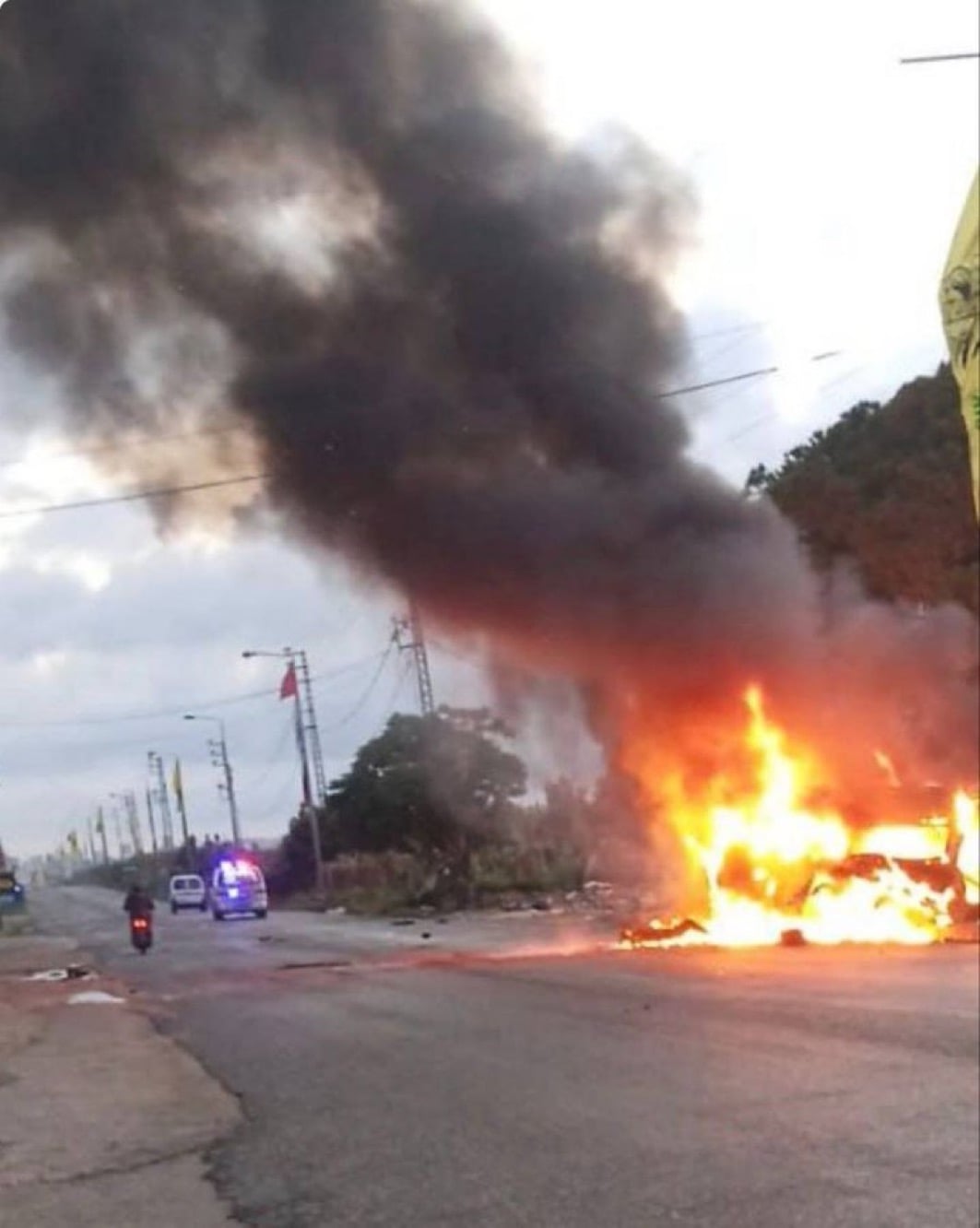
President Donald Trump and Iranian officials are simultaneously declaring triumph over a provisional ceasefire agreement that appeared to unravel within hours, with Israel launching Lebanon strikes whilst Tehran unleashed extensive drone and missile barrages against Gulf states hosting American military installations.
Mr Trump spoke with Sky News US correspondent Mark Stone hours after announcing the 11th-hour two-week pause, though neither Washington nor Tehran addressed immediate ceasefire violations occurring across multiple Middle Eastern theatres.
Kuwait reported its air defences have been intercepting waves of Iranian drones since 5am UK time, with unmanned aircraft targeting critical infrastructure including oil facilities, power stations and water desalination plants causing “major infrastructure damage” according to military officials.
The UAE defence ministry confirmed air defence systems intercepted Iranian ballistic missiles, cruise missiles and drones throughout the morning, with detonation sounds audible across various regions as interception operations continued against the sustained barrage.
Israel simultaneously launched strikes on Lebanon despite the ceasefire announcement, suggesting the Pakistan-brokered agreement’s parameters remain disputed amongst regional actors with competing interpretations of implementation scope and timelines.
Tehran has maintained retaliatory missile and drone campaigns against Arab Gulf nations throughout the conflict duration, employing strikes on US regional allies to pressure Washington and Israel into accepting ceasefire terms favourable to Iranian interests without directly attacking American forces.
The targeting of desalination facilities—critical for providing potable water to desert nations reliant on such technology—represents escalation beyond purely military objectives toward civilian life-support infrastructure, raising questions about Geneva Convention compliance.
Both Mr Trump and Iranian leadership have characterised the provisional pause as diplomatic victories, though the immediate resumption of military operations across multiple fronts suggests fundamental disagreements persist regarding what constitutes permissible activity during the two-week ceasefire window.
Kuwait and the UAE have maintained relative neutrality whilst hosting American military installations, making them vulnerable targets when Tehran seeks demonstrating resolve without triggering direct US military retaliation through attacks on American personnel.
The synchronised nature of strikes across multiple Gulf states indicates coordinated Iranian military operations rather than isolated incidents, suggesting Tehran may be testing ceasefire boundaries or signalling dissatisfaction with specific agreement provisions.
Washington has not issued statements addressing whether the Gulf attacks constitute ceasefire violations or fall outside pause parameters given they target regional allies rather than American assets directly.
