



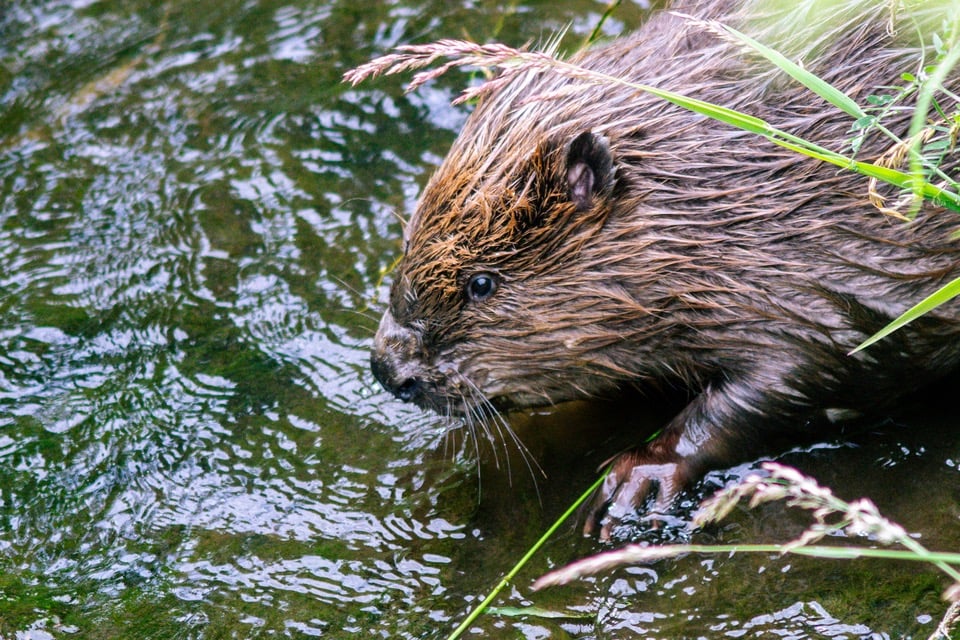
Wild beaver releases in South West England require decade-long planning commitments before Natural England will grant licences, as the agency approved two new projects whilst managing potential conflicts with farming and infrastructure.
The extinct species, wiped out through overhunting centuries ago, is returning under a carefully controlled system designed to balance nature recovery with agricultural interests. Projects must demonstrate comprehensive 10-year plans supporting beaver introduction into landscapes before receiving permission to proceed.
Natural England has identified 32 projects with potential to meet wild release criteria. Eleven have already been invited to apply, with the agency prioritising well-planned and well-resourced initiatives where benefits outweigh risks.
The gradual approach allows local communities time to adapt, aiming to build trust and ensure beavers become a permanent and valued landscape feature rather than a source of conflict.
Environment Agency Deputy Director for Nature Recovery Jenni Balmer stated the organisation is “excited to back new beaver releases in two south-west catchments,” noting collaboration with Natural England to shape projects maximising benefits whilst managing challenges, especially for flood risk and fisheries.
Beavers are classified as prodigious ecosystem engineers and climate champions, creating natural flood defences and building wetlands that serve as thriving wildlife havens. Known as a keystone species because their habitats benefit numerous other species, they once lived abundantly in England before extinction.
In recent years, the animals have been returning through licensed releases into enclosures and a limited trial of wild release in Devon. The South West approvals follow the first licensed wild Eurasian beaver release in Dorset last year after a landmark government decision allowing wild releases.
Nature Minister Mary Creagh emphasised the extraordinary benefits beavers bring to natural landscapes, stating they “create havens for other wildlife, help reduce the impact of flood and droughts, and improve water quality in our rivers.”
Marian Spain, Chief Executive of Natural England, described reintroduction to South West England as “a significant milestone with the potential to make a huge difference to nature recovery in the region.”
Spain stressed that successful beaver return depends on well-planned, collaborative projects built on engagement and trust, adding: “We are committed to getting it right for both nature and communities.”
Natural England earlier this week launched the Beaver Considerations Assessment Toolkit (BCAT), a new mapping tool developed with the Environment Agency. The toolkit helps people understand potential impacts and suitability of reintroducing beavers to different watercourses or waterbodies across England, plus potential effects of existing wild populations.
Defra, supported by Natural England and the Environment Agency, is leading a major programme of workshops and studies to develop a Long Term Management Plan for beavers in England. The work brings together voices from farming, fisheries, forestry, water and energy, heritage, public access, academia and environmental NGOs.
Independent assessments of socioeconomic benefits and risks are currently underway as authorities seek to ensure the species’ return delivers promised ecological advantages without creating unmanageable problems for landowners and infrastructure operators.
The two approved South West projects are expected to proceed in coming weeks, marking the latest phase in the species’ gradual reintroduction to English waterways after centuries of absence.
