



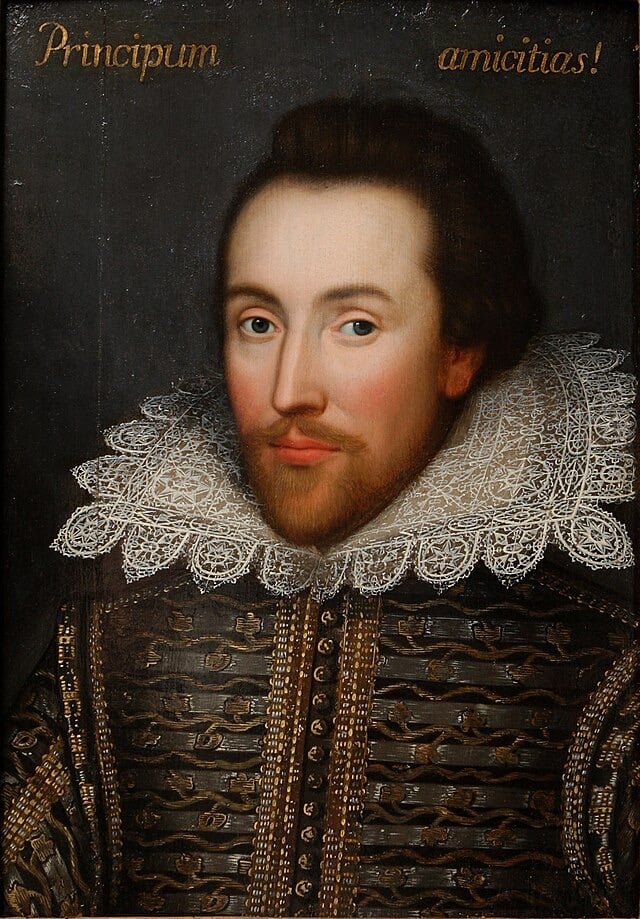
The organisation responsible for preserving William Shakespeare’s birthplace in Stratford-upon-Avon is undertaking a decolonisation project that would see the playwright no longer described as the world’s greatest writer, amid concerns that promoting his genius reinforces the ideology of white European supremacy.
Shakespeare’s Birthplace Trust, which manages several historic buildings in the Warwickshire town, has announced plans to create what it describes as “a more inclusive museum experience” by moving away from Western-centric perspectives. The trust has also acknowledged that some items within its collections may contain language or depictions considered racist, sexist or homophobic, and has committed to removing offensive material.
The move draws on a 2022 research project conducted jointly by the trust and Dr Helen Hopkins at the University of Birmingham, which argued that framing Shakespeare as a figure of universal genius serves to reinforce European culture as the benchmark for high art and positions the playwright as a symbol of British superiority. The project recommended that the trust stop referring to Shakespeare as the greatest playwright in history and instead present him as one of many “equal and different” writers from across the global literary tradition.
Following that research, the trust received funding from the Esmee Fairbairn Foundation, which supports projects promoting diversity and inclusion. Events organised under the initiative have included celebrations of Bengali poet Rabindranath Tagore and a Romeo and Juliet-inspired Bollywood dance workshop.
The trust’s collections include archived material, literary criticism, books associated with Shakespeare and gifts presented in his honour from around the world. A statement from the organisation said the project was intended to ensure its collections were “as accessible as possible.”
The Birthplace Trust’s plans sit within a broader pattern of institutional reassessment of Shakespeare’s legacy. In 2021, the Globe Theatre in London launched its own decolonisation initiative alongside a series of anti-racist seminars. Academics involved argued that Shakespeare’s language was inherently “racialising” and that even plays not traditionally viewed through a racial lens contained embedded hierarchies of race and gender.
In 2023, the Globe applied a content warning to A Midsummer Night’s Dream, alerting audiences to “language of violence, sexual references, misogyny and racism.” Critics of such moves, including at least one New York Times bestselling author, accused institutions of “flushing great literature down the drain” by applying contemporary standards to works written in an entirely different historical context.
The debate over how Shakespeare should be taught and presented shows no sign of resolution, with opinion sharply divided between those who argue his works require critical reframing and those who maintain that stripping him of his canonical status does a disservice to literary history.
