



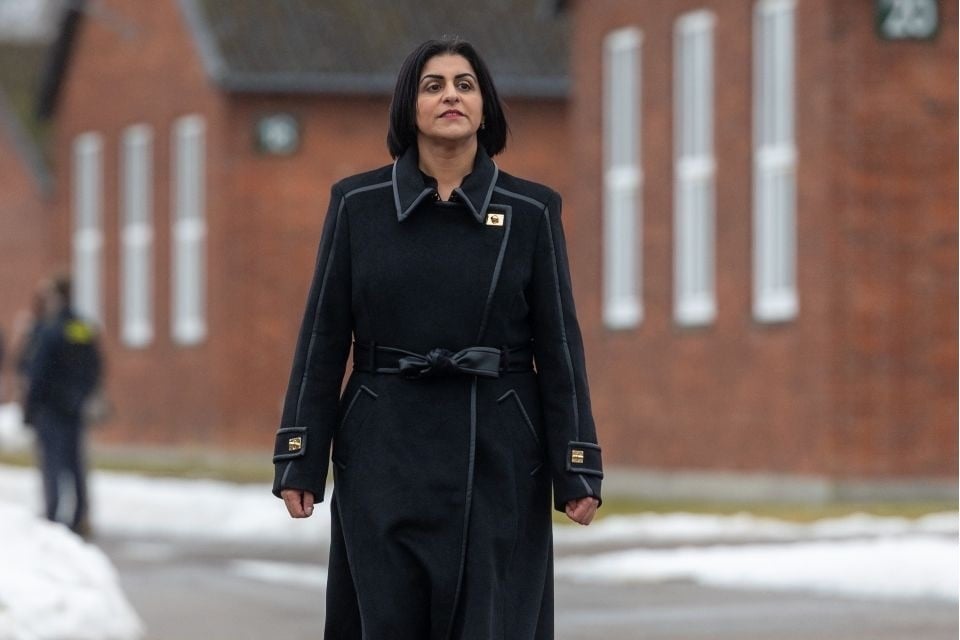
Britain’s asylum system is set to undergo one of its most significant structural changes in decades, with Home Secretary Shabana Mahmood confirming that refugee protection will no longer be granted on a permanent basis for those who claim asylum from today.
Under the new framework, adults and accompanied children granted asylum will receive an initial 30-month period of protection, after which their circumstances will be formally reviewed. Those who continue to face genuine danger in their country of origin will have their protection renewed. However, refugees whose home nations are subsequently deemed safe will be expected to return.
Mahmood framed the shift as a necessary correction to a system she argued had become a pull factor for illegal migration. “Genuine refugees will find safety in Britain, but we must also reduce the incentives that draw people here at such scale, including those without a legitimate need for protection,” she said. “Once a refugee’s home is safe and they are able to return, they will be expected to do so.”
The changes replace a previous arrangement under which refugees received five years of protection, with near-automatic and fee-free permanent settlement to follow, along with continued access to benefits and housing and the right to bring family members to the UK. The government has described that offer as among the most generous extended to refugees anywhere in Western Europe.
The reforms draw directly on the Danish model, which Mahmood visited last week. Denmark introduced temporary refugee status, restrictions on family reunion and a lengthened path to settlement from 2015 onwards. Over the following decade, asylum claims fell by more than 90 per cent, reaching a 40-year low. By contrast, UK asylum applications rose by 13 per cent in the year to September 2025, while EU-wide applications fell by 22 per cent over the same period.
Under the broader reform package announced last autumn, refugees in the UK will now face a 20-year wait for settlement under the core protection model, unless they transition to a legal visa route. New work and study visa options are being developed to offer an alternative pathway for those with skills to contribute.
Family reunion arrangements remain paused while the government designs new rules bringing financial and integration requirements into line with those expected of British citizens. Unaccompanied children will continue to receive five years’ leave under existing arrangements while longer-term policy for that group is developed.
The first formal changes will be introduced through amendments to the Immigration Rules later this week.
